



Key takeaways
- The classic Inca Trail is a government-regulated 4-day trek that ends at Machu Picchu through the Sun Gate.
- Only about 500 permits are issued per day across all operators, and roughly 200 go to trekkers, so book months ahead.
- The trail runs about 43 km and crosses Dead Woman's Pass at 4,215 m, its highest and hardest point.
- The route closes every February for maintenance, so plan for March through January.
- Jungle alternatives like the Inca Jungle Trek need no scarce permit and add biking and rafting if the classic trail sells out.
The classic Inca Trail is a four-day, roughly 43-kilometer trek that follows original Inca stonework from the Sacred Valley to Machu Picchu, entering the citadel on foot through the Sun Gate. You need a government permit booked through a licensed operator, and daily numbers are strictly capped, so planning ahead matters more than fitness.
This guide walks through the trail's history, the permit rules that trip up most travelers, the day-by-day route, how hard it really is, and when a jungle alternative makes more sense.
What Is the History of the Classic Inca Trail?
The Inca Trail is a surviving branch of the Qhapaq Nan, the vast road network the Inca Empire built across the Andes in the 15th century. This stretch functioned as a ceremonial approach to Machu Picchu, which is why it ends at Inti Punku, the Sun Gate, rather than at a modern entrance. Walking it means retracing a pilgrimage route laid out more than 500 years ago.
Machu Picchu itself sits inside a protected historic sanctuary recognized by UNESCO and named one of the New Seven Wonders of the World. That protected status shapes everything about the trek today, from how many people can walk the path to how the ruins are managed. In 2026, Peru's culture authorities cap daily entry to the citadel at 4,500 visitors in low season and 5,600 on peak dates (Peru.travel, official tourism portal). Those caps exist to slow erosion on a site that geologists have long flagged as fragile.
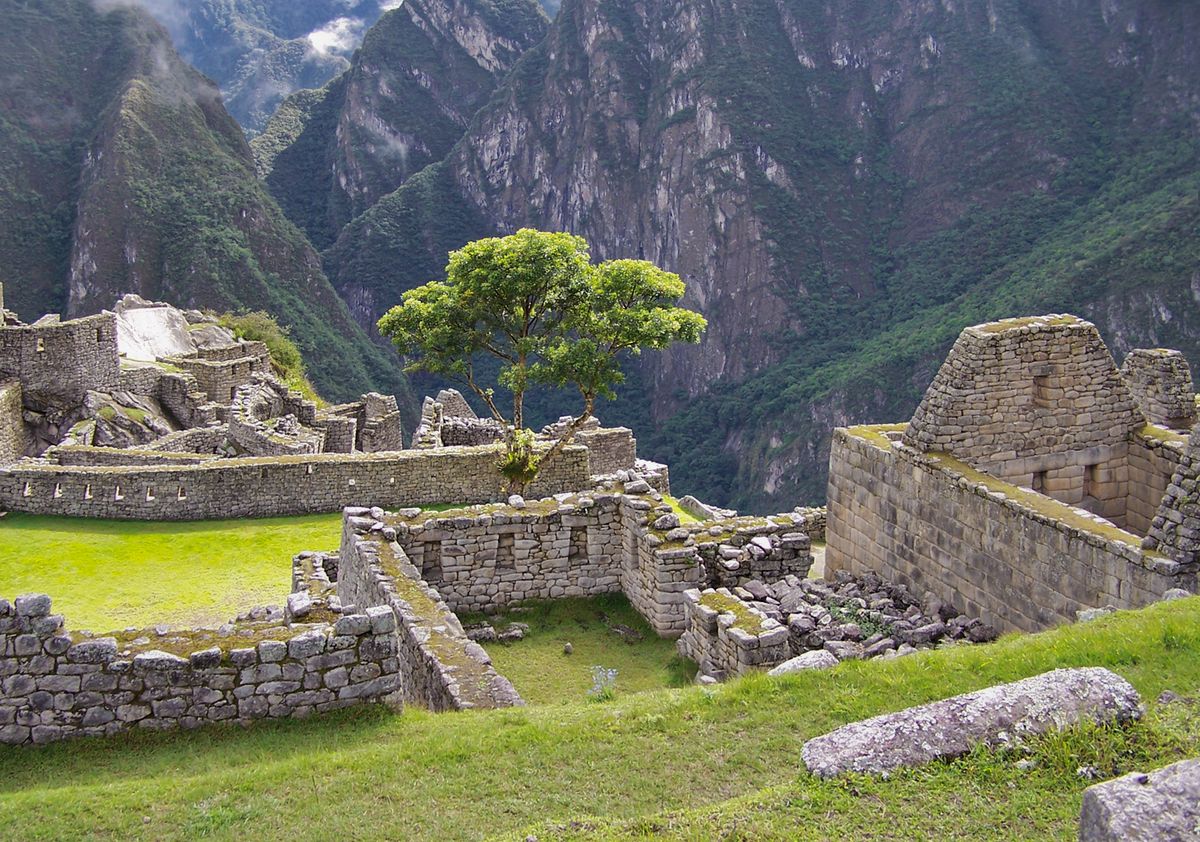
The modern permit system grew out of the same concern. After the trail started showing serious wear, Peru introduced a daily cap in 2000 and later added a yearly maintenance closure. The result is a trek that feels far quieter than its fame suggests.
How Do Inca Trail Permits Work, and How Do You Secure Them?
Permits are the single biggest planning hurdle. Roughly 500 permits are released per day across the whole trail, and because that number includes guides, porters, and cooks, only about 200 are left for actual trekkers. Every permit is tied to your passport, non-transferable, and sold only through licensed operators. You cannot hike the classic route independently or buy a permit at the trailhead.
Dates sell out fast. For June through August, the dry-season peak, permits often disappear four to six months ahead, and sometimes sooner. To secure one, pick your start date early, choose a licensed operator, and send your exact passport details, since a name mismatch at the SERNANP control point can cost you the trek. If you later renew your passport, carry both documents.
One recent rule change matters. As of 2025, an Inca Trail permit no longer bundles unlimited citadel access the way it once did, and entry now follows the circuit system Peru uses for Machu Picchu. A good operator handles the citadel ticket alongside your trail permit, so confirm that both are included before you pay.
Across the dozens of itineraries we run from Cusco, the travelers who miss out on the classic trail almost always booked inside a three-month window. The fix is simple: lock the date first, then refine the details later.
If your dates are already tight, read our breakdown of the Inca Trail vs Jungle Trek routes before committing, because a sold-out permit does not have to end the trip.
What Does the Four-Day Inca Trail to Machu Picchu Look Like?
The classic route covers about 43 kilometers over four days, crossing three high passes before descending to Machu Picchu. Most itineraries begin at Kilometer 82 near Ollantaytambo and follow a consistent rhythm: a gentle warm-up, a brutal climb, a long day among ruins, and a dawn arrival.
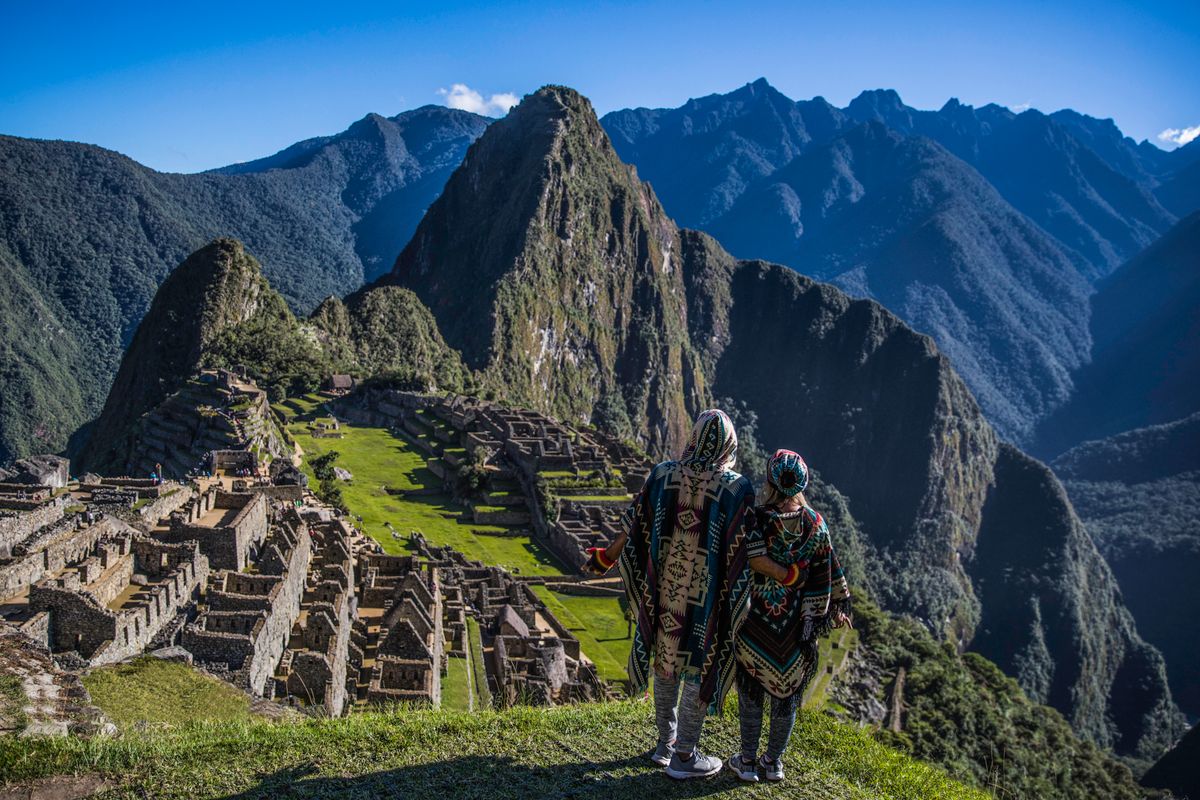
- Day 1: Start at Km 82, cross the Urubamba River, and ease into the valley past the ruins of Llactapata. Modest climbing, long views, and a first night under the stars.
- Day 2: The hardest day. You climb to Dead Woman's Pass at 4,215 meters, the highest point of the trek, then drop steeply into camp. Altitude, not distance, is the real test here.
- Day 3: The scenic payoff. You pass cloud-forest ruins like Phuyupatamarca and Wiñay Wayna along stone staircases that the Inca cut into the ridge.
- Day 4: A pre-dawn start brings you to Inti Punku, the Sun Gate, for first light over Machu Picchu, then a final descent into the citadel itself.
If you prefer a combined trip that pairs ruins with the wider region, a Cusco and Sacred Valley tour covers the same arc at a gentler pace.
How Hard Is the Inca Trail, and What Should You Pack?
The trail is moderately strenuous, and altitude is the deciding factor. Dead Woman's Pass at 4,215 meters leaves most first-timers breathing hard, even those who train at sea level. The single best preparation is spending two or three days acclimatizing in Cusco, which sits above 3,300 meters, before you set out. Fitness helps, but your body adjusting to thin air helps more.
Pack light, since porters carry shared gear while you carry a daypack. Prioritize layers for cold mornings and warm afternoons, broken-in hiking boots, a rain shell, a warm hat and gloves for the pass, sun protection, a refillable water bottle, and any personal medication. A headlamp is essential for the day-four start, and trekking poles save your knees on the long stone descents. Keep your passport accessible for the control points.
Expect temperatures to swing widely between the high passes and the cloud forest, so testing your layering system before the trip pays off. Nights can dip near freezing at altitude even in the dry season.
How Does the Inca Trail Compare With Jungle Alternatives?
The classic trail is the only route that walks straight into Machu Picchu through the Sun Gate, and that heritage is its main draw. The tradeoff is the permit: scarce, dated far in advance, and closed every February for maintenance. When those constraints do not fit, jungle routes solve the problem.
The Inca Jungle Trek and the Salkantay route need no scarce permit and can be booked much closer to your travel dates. The Inca Jungle option trades some of the stone-path history for downhill mountain biking, optional whitewater rafting, and a lower, warmer trail through coffee country. Incajungletrail runs these multi-day treks from Cusco through Santa Maria and Santa Teresa, reaching Machu Picchu by the valley approach rather than the Sun Gate.
Neither route is a lesser version of the other. The classic trail rewards travelers who want the archaeological pilgrimage and plan early. The jungle routes suit adventurous travelers who want variety, flexibility, and a backup when permits are gone.
If you are weighing the two, start by checking classic-trail permit availability for your dates. If your window is open and you want the Sun Gate arrival, book the classic Inca Trail early. If permits are sold out or you want biking and rafting in the mix, a jungle route gets you to the same wonder without the scramble. Either way, Incajungletrail can match the route to the dates you actually have.
Frequently asked questions
How far in advance should I book the Inca Trail?
Book four to six months ahead for most dates, and six months or more for June through August. Permits are capped and non-transferable, so popular dates sell out early.
Is the Inca Trail hard?
It is moderately strenuous. The main challenge is altitude, peaking at Dead Woman's Pass at 4,215 m. Most reasonably fit hikers who acclimatize in Cusco first complete it in four days.
Can I hike the Inca Trail without a permit or guide?
No. Peru requires every trekker to go with a licensed operator and a government-issued permit. Independent hiking is not allowed on the classic route.
When is the Inca Trail closed?
The entire route closes every February for maintenance and erosion repair. Permits are available from March through January, with the first day being March 1.
What if Inca Trail permits are sold out?
Choose a jungle alternative such as the Inca Jungle Trek or Salkantay. These need no scarce permit, reach Machu Picchu by a different approach, and can be booked much closer to your travel dates.