




Key takeaways
- A Cusco to Machu Picchu tour splits into three types: the train day trip, the multi-day trek, and the adventure route that mixes hiking, biking and rafting.
- Machu Picchu sits at 2,430 metres, so leaving Cusco at roughly 3,400 metres means you descend nearly 1,000 metres, which eases altitude strain on the trekking routes.
- By rail, Ollantaytambo to Aguas Calientes takes about 1 hour 45 minutes, while the full Poroy to Aguas Calientes run takes around 3 hours 30 minutes.
- The dry season from May to October gives the most reliable trekking weather; peak crowds run June to early November when the daily entry cap rises to 5,600 visitors.
- Book the timed Machu Picchu entry ticket and any train seats well ahead, since circuits and hourly windows are fixed and sell out in high season.
The trip from Cusco to Machu Picchu comes down to three real choices: a fast train day trip, a classic multi-day trek, or an adventure route that pairs hiking with mountain biking and river rafting. Which one fits depends on your budget, how many days you have, and how much time you want on your feet. This guide compares each Cusco to Machu Picchu tour option side by side so you can book with confidence.
Machu Picchu sits at 2,430 metres in a tropical mountain forest (UNESCO World Heritage Centre), while Cusco sits near 3,400 metres. That means every route ends lower than it begins, a detail that matters for altitude and pacing.
How do you get from Cusco to Machu Picchu?
There are three practical ways to make the journey, and they suit very different travelers. In 2026, the citadel still cannot be reached by direct road, so the final approach is always by train and bus or on foot. The train is the quickest. Treks are the most rewarding for anyone who wants time in the Andes. The adventure route blends both.
Most rail travelers drive or ride to Ollantaytambo in the Sacred Valley, then board the train to Aguas Calientes, the town below the ruins. From there a short shuttle bus climbs to the entrance. Trekkers instead follow mountain trails over several days and arrive on foot or after a final short train leg.
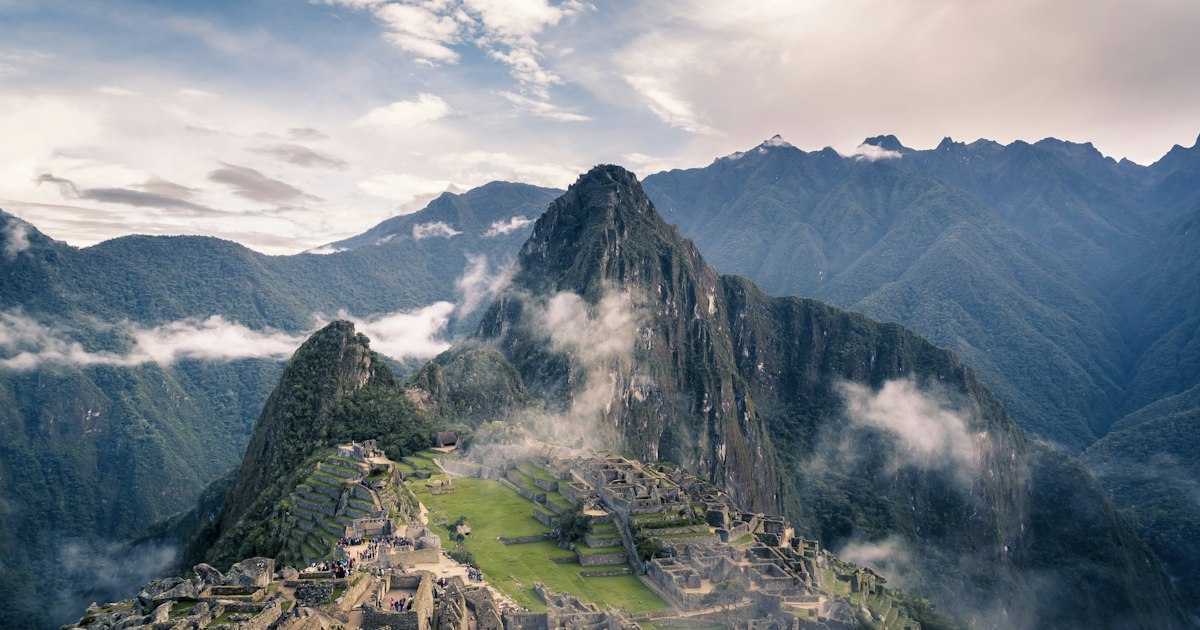
Incajungletrail runs the third option, a guided multi-day route from Cusco through Santa Maria and Santa Teresa that combines biking, hiking and rafting before reaching Machu Picchu. It is a good middle path for people who want adventure without the strict permits of the Classic Inca Trail.
Train, trek, or multi-day tour: which route wins?
Each route trades speed for experience. The train is the fastest and most comfortable, a trek is the most immersive, and the multi-day adventure tour sits in between with the widest range of activities. Your available days are usually the deciding factor.
By rail, the Ollantaytambo to Aguas Calientes leg runs about 1 hour 45 minutes, while the longer Poroy to Aguas Calientes service takes around 3 hours 30 minutes (PeruRail). The rail distance from Ollantaytambo to Machu Picchu Pueblo is 43 km, part of a 112 km corridor from the Cusco area.
Here is how the three compare at a glance:
- Train day trip: fastest, most comfortable, no hiking required, best for tight schedules and older travelers.
- Multi-day trek: several days on foot, strong scenery and cultural stops, needs decent fitness and advance permits on some routes.
- Adventure tour: three to four days mixing biking, hiking and rafting, moderate difficulty, no lottery-style permit on the jungle route.
A trek or adventure route also has an altitude advantage. Because you descend from Cusco toward Machu Picchu's 2,430 metres, the air gets easier to breathe as the days go on, which softens the acclimatization curve compared with staying high the whole time.
What does a Cusco to Machu Picchu tour cost, and when should you go?
Costs scale with days and comfort, and timing shapes both crowds and weather. A single train day trip is the cheapest in raw transport terms, while multi-day treks and adventure tours cost more because they bundle guides, meals, gear and lodging across several days. Entry to the site itself is a fixed government ticket sold in timed windows.
Demand is highest in the dry season. During the 2026 peak period the daily visitor cap rises to 5,600 people, up from the low-season figure, under rules set by Peru's Ministry of Culture (Plataforma Media). That cap explains why popular dates sell out early and why booking ahead matters.
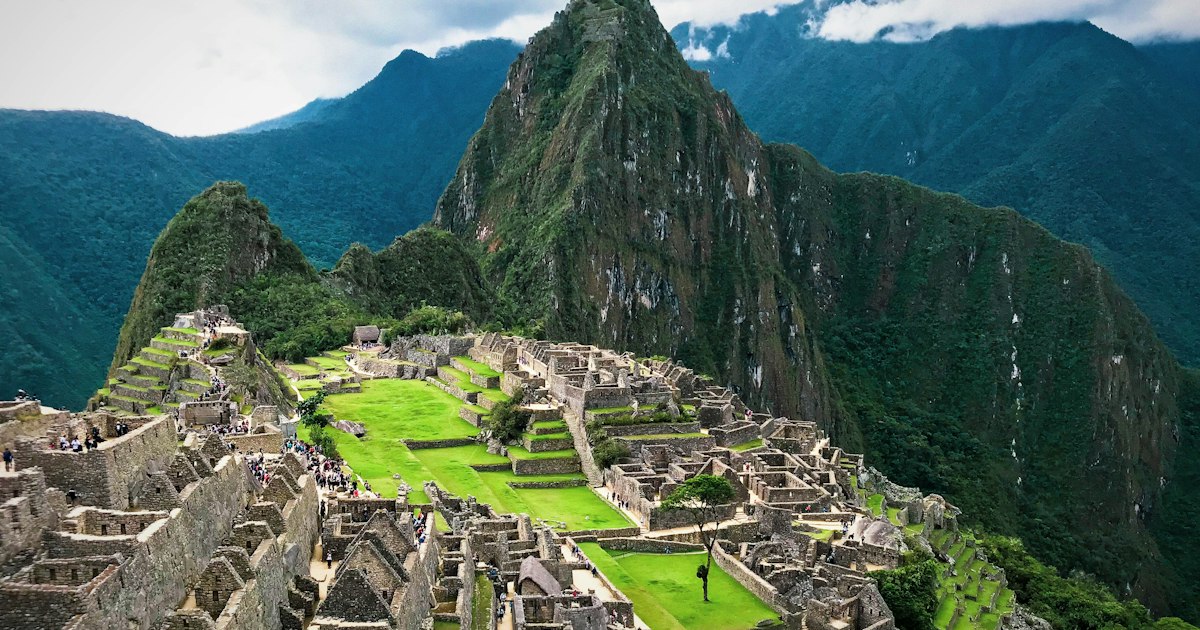
On seasons, the general pattern is simple. The dry months from May to October bring the clearest skies and the firmest trails, which is why they draw the biggest crowds. The wet season from roughly November to March means fewer people and greener landscapes, but muddier paths and a real chance of rain. Trekkers usually favor May, June, September and early October for the balance of weather and manageable numbers.
Which itinerary fits your travel style?
The right itinerary depends on how much time you have and how active you want to be. Below are three sample plans, from a rushed single day to a full adventure week, that match common traveler types.
The one-day rail plan works for short trips. Leave Cusco early, take the road to Ollantaytambo, ride the train to Aguas Calientes, bus up to the citadel for a guided visit, then reverse the whole journey by night. It is efficient but long, with little slack for delays.
The two-day comfort plan adds a night in Aguas Calientes. You reach the town in the afternoon, sleep at the base of the mountain, then enter Machu Picchu early the next morning when light is soft and lines are shorter. This suits families and anyone who dislikes rushing.
The three to four day adventure plan is the Inca Jungle Trail. You start with a downhill mountain-bike descent from the high pass, then hike through cloud forest and coffee country around Santa Maria and Santa Teresa, add optional rafting or zip-lining, and finish at Machu Picchu. Incajungletrail packages this route with guides, transport and lodging, so you carry only a daypack.
How do you book, and what happens on arrival?
Booking early is the single most useful step, because entry is limited and structured. Machu Picchu now uses set circuits and hourly entry windows, so you cannot wander freely or turn up without a timed ticket. Reserve your entry slot and any train seats before you leave home, ideally two to three months out for dry-season dates.
You buy the official entry ticket through Peru's government portal, and reputable operators handle this for you as part of a package (Ministerio de Cultura). If you trek with a licensed company, permits, park fees and the final logistics are usually built into the price, which removes a lot of guesswork.
On arrival at the gate, bring your passport, since names on tickets are checked against ID. Expect a bus queue in Aguas Calientes during peak hours, so aim for an early window. Once inside, you follow your assigned circuit in one direction, which keeps the flow moving and protects the ruins.
If you want the fullest version of this journey, one that trades a train seat for days of biking, hiking and rafting through the mountains, plan your dates around the dry season and reserve a guided Inca Jungle Trail departure with Incajungletrail while your preferred window is still open.
Frequently asked questions
What is the fastest way to get from Cusco to Machu Picchu?
The train is fastest. Most travelers drive or ride to Ollantaytambo, then take the roughly 1 hour 45 minute train to Aguas Calientes, followed by a short bus up to the citadel. A same-day return is possible but rushed.
Do I need a guided tour to visit Machu Picchu?
You can travel independently by train, but the citadel now uses fixed circuits and timed entry, and many travelers hire a guide at the gate. Multi-day trek routes require a licensed operator, so a guided tour is the practical choice for most.
How many days should a Cusco to Machu Picchu tour take?
A train day trip fits into one long day. A comfortable version runs two days with a night in Aguas Calientes. Multi-day treks such as the Inca Jungle Trail typically run three to four days.
When is the best time to book a Machu Picchu tour?
Book two to three months ahead for the dry season, May through October. Entry is capped daily and sold in hourly windows, so popular dates and train seats fill early, especially between June and early November.
Is the Inca Jungle Trail hard?
It is moderate rather than extreme. The route descends from Cusco's altitude toward Machu Picchu, so the air thickens as you go. Fitness helps for the biking and hiking sections, but no technical climbing is involved.