



Key takeaways
- A combined Cusco Sacred Valley Machu Picchu tour works best over 3 to 4 days, visiting Pisac, Ollantaytambo and Chinchero before the citadel.
- Machu Picchu caps daily entry at 4,500 visitors in regular season and 5,600 on peak dates (Peru Ministry of Culture, 2026), so book ahead.
- The Sacred Valley sits lower than Cusco, making it the ideal first stop to acclimatize before higher-altitude days.
- Ollantaytambo is both an Inca fortress and the train station where most trips to Aguas Calientes begin.
- Entry tickets sell only through the official platform tuboleto.culture.pe, and a combined tour bundles permits, trains and guiding into one booking.
A combined Cusco Sacred Valley Machu Picchu tour pairs the Inca towns of the Urubamba Valley with the citadel itself, usually across three to four days. You see the markets of Pisac, the fortress at Ollantaytambo and the weavers of Chinchero, then finish at Machu Picchu. This guide explains what to see, how to sequence the days, how transport connects the sites, and what to check before you book.
Most travelers who search for this trip have already decided to go. The real question is how to stitch the pieces together without wasting a day backtracking to Cusco or arriving at the citadel exhausted from altitude. A well-planned combined route solves both problems.
Why Combine the Sacred Valley With Machu Picchu?
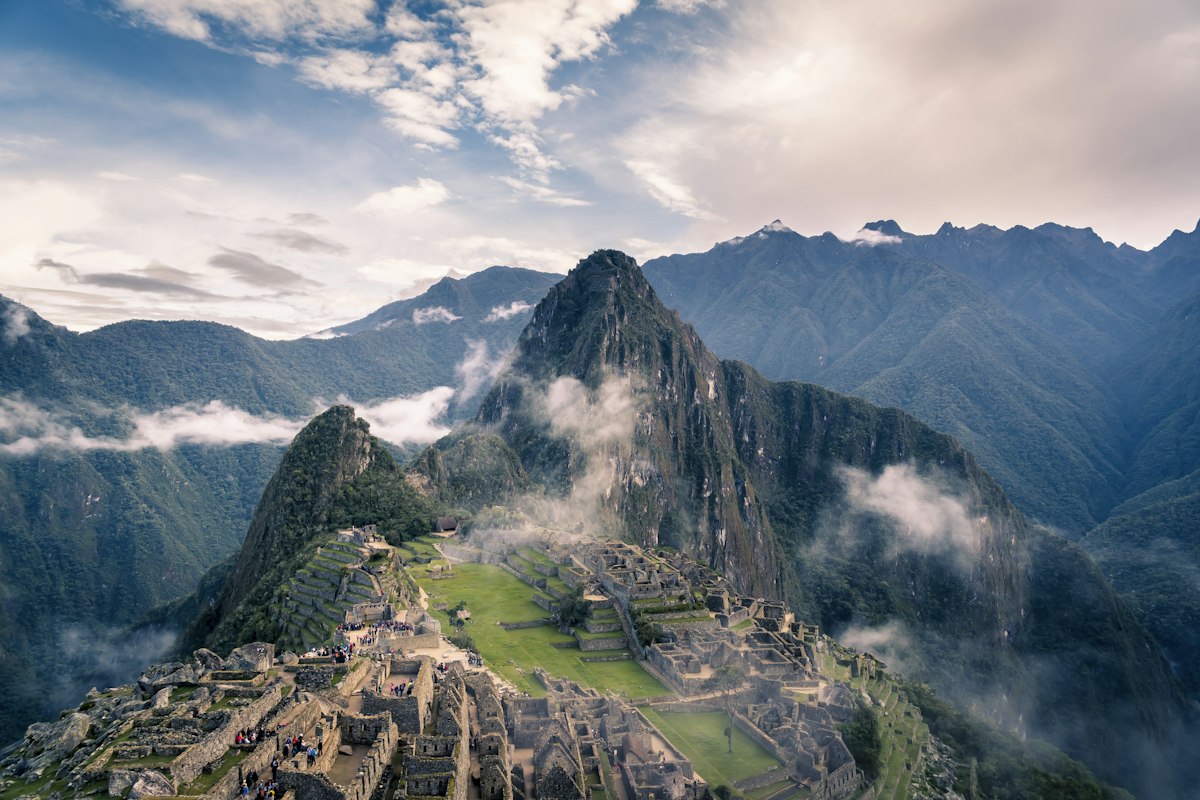
Machu Picchu sits at 2,430 meters, lower than Cusco's roughly 3,400 meters (UNESCO World Heritage Centre). The Sacred Valley floor is lower still, which is why pairing the two makes practical sense: you ease into the altitude in the valley before the big day. The combined route also turns a single bucket-list stop into a fuller picture of the Inca world.
Visiting the valley first gives context. By the time you reach the citadel, you have already seen Inca terracing, stonework and living Quechua towns, so Machu Picchu reads as the culmination rather than an isolated ruin. It also spreads the trip over calmer days instead of one rushed dash from Cusco.
What Are the Main Sacred Valley Highlights?
Three stops anchor most combined tours: Pisac, Ollantaytambo and Chinchero. Each sits along or near the route between Cusco and the Machu Picchu train, so a good itinerary links them in a logical order rather than doubling back. Together they cover Inca engineering, colonial history and Andean craft.
Pisac: Ruins and Market
Pisac is known for two things: a hillside archaeological complex of agricultural terraces and an Andean market in the town below. The ruins show how Inca builders farmed steep slopes with stepped terraces, while the market is busiest on Sundays and draws crafts from surrounding villages. Many tours time Pisac for the morning so you can walk the terraces before the market crowds build.
Ollantaytambo: Fortress and Train Gateway
Ollantaytambo is both a massive Inca fortress and the practical hinge of the whole trip. Its temple terraces climb above a town that has been continuously inhabited since Inca times, with original streets and water channels still in use. It is also where most trains to Aguas Calientes depart, so nearly every combined tour routes through here on the way to Machu Picchu.
Chinchero: Weaving and Colonial History
Chinchero is the valley's weaving town, where cooperatives demonstrate natural dyeing and backstrap-loom techniques passed down for generations. It also holds a colonial adobe church built on Inca foundations, with painted interiors worth seeing. One thing to note: Chinchero sits higher than Cusco, so some tours visit it on the return leg rather than early, when you are still adjusting to altitude.
What Does a Good Combined Itinerary Look Like?
A three to four day plan balances sightseeing with acclimatization and gives you an early, calmer entry to Machu Picchu. Daily entry is capped, so an early time slot matters: Peru's Ministry of Culture sets the limit at 4,500 visitors in regular season and 5,600 on peak dates for 2026, as reported across Peruvian news coverage. The sequence below keeps the altitude curve gentle.
Day 1: Cusco to the Sacred Valley. Leave Cusco and head down into the valley, stopping at Pisac for the terraces and market. Overnight in Urubamba or Ollantaytambo, both lower than Cusco, which helps you sleep and acclimatize.
Day 2: Ollantaytambo and the train. Explore the Ollantaytambo fortress in the morning, then catch an afternoon train to Aguas Calientes. Overnight at the foot of the mountain so you are positioned for an early entry.
Day 3: Machu Picchu. Take the first shuttle up to the citadel for your timed entry, tour the circuit with a guide, then return by train to Ollantaytambo and transfer to Cusco.
Optional Day 4: Chinchero on the way back. If you have an extra day, visit Chinchero's weavers and church before returning to Cusco, closing the loop on the valley's craft and colonial history.
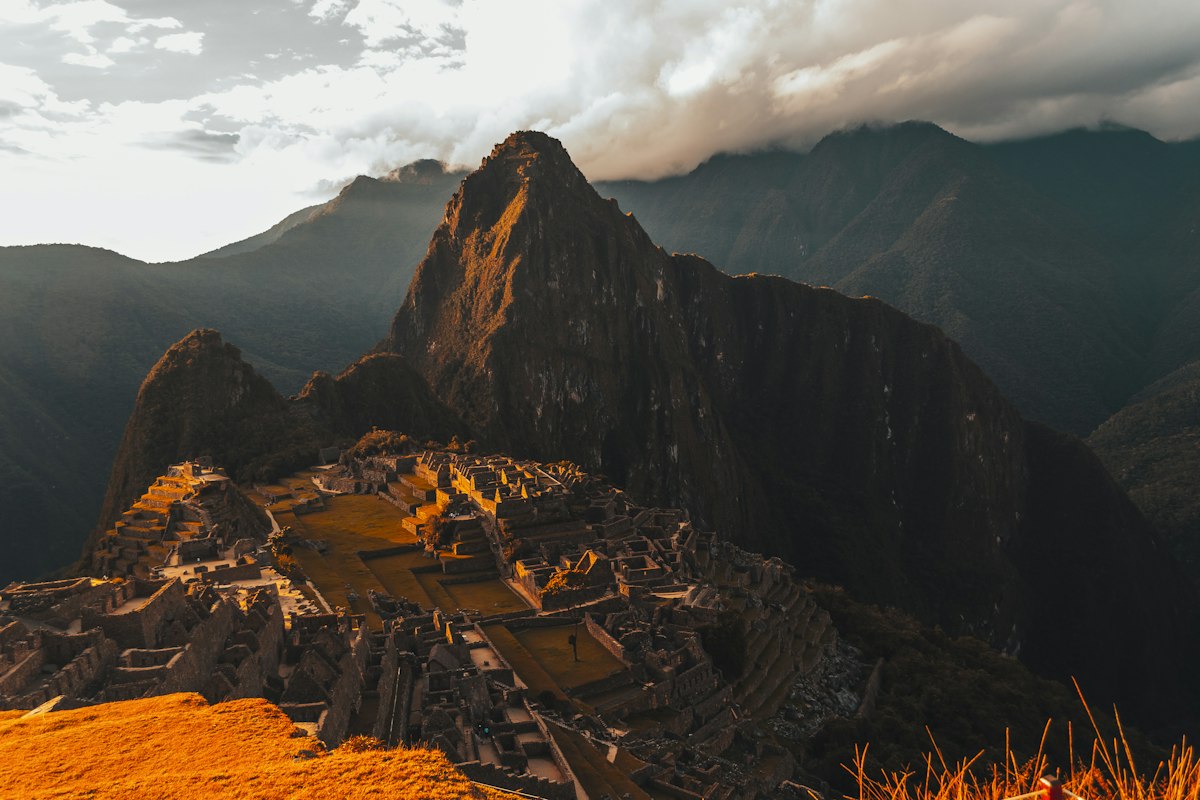
If you want a route with more adventure built in, the Machu Picchu Adventure Trek with bike, raft and hike layers activity days onto the journey to the citadel.
How Does Transport Connect the Sites?
The sites link by road and rail, and a combined tour removes the guesswork of coordinating them. From Cusco, a private or shared vehicle covers the Sacred Valley stops, since Pisac, Ollantaytambo and Chinchero are not connected to each other by passenger rail. The train only enters the picture for the final leg to the citadel.
The standard flow is vehicle through the valley, then train from Ollantaytambo to Aguas Calientes, then a short shuttle bus up the switchbacks to the Machu Picchu entrance. On the way out you reverse it: shuttle down, train back to Ollantaytambo, vehicle to Cusco. Ollantaytambo is the usual rail departure point because its station sits deep in the valley, shortening the ride.
Because these transfers have to line up with a timed citadel entry and a capped daily quota, the margins are tight. Missing a train connection can cascade into a missed entry slot, which is the main reason independent travelers often switch to a packaged route. For a broader look at how the pieces fit, the tour from Cusco to Machu Picchu planning guide walks through the moving parts.
How Should You Book a Combined Tour?
Book early and book through one operator so permits, trains and guiding are reserved together. Machu Picchu entry tickets are sold only through the official government platform, tuboleto.culture.pe, and peak dates sell out well in advance. A combined tour reserves your dated entry, train seats and licensed guide as a single package, which protects you from a sold-out slot.
When comparing operators, check a few concrete things:
- What is included: entry ticket, train class, shuttle bus, guide, meals and hotel nights should be listed plainly, not left vague.
- Group size and guiding: smaller guided groups move faster through the citadel circuit and give you more time at each stop.
- Itinerary logic: confirm the Sacred Valley comes before Machu Picchu so altitude works in your favor.
- Flexibility: ask how a missed train or weather delay is handled, since the schedule is tight.
Incajungletrail arranges combined Sacred Valley and Machu Picchu trips that bundle these elements into one booking, including the Ollantaytambo train connection and timed citadel entry, so you are not assembling permits and transfers piece by piece.
Making the Most of the Combined Route
The combined trip rewards planning far more than improvisation, because the two things you cannot flex, the daily entry cap and the train schedule, both reward early commitment. Lock those in first, then build the valley days around them.
Your next step: pick travel dates, check availability on your preferred Machu Picchu entry date, and reserve the combined package before your slot fills. Starting in the Sacred Valley, finishing at the citadel, and letting one operator hold the connections together is the route most travelers wish they had chosen from the start.
Frequently asked questions
How many days do I need for a combined Sacred Valley and Machu Picchu tour?
Three to four days is ideal. Two days lets you see the highlights at speed, but adding a night lets you acclimatize in the Sacred Valley and reach Machu Picchu for an early, less crowded entry.
Should I visit the Sacred Valley before or after Machu Picchu?
Before. The Sacred Valley towns sit lower than Cusco, so starting there helps you adjust to altitude before the trip to the citadel and the return to high-altitude Cusco.
Do I need to book Machu Picchu tickets in advance?
Yes. Daily entry is capped and peak dates sell out. Tickets are sold only through the official platform, and a combined tour reserves your entry, train and guide together so you do not risk a sold-out date.
How do I get from the Sacred Valley to Machu Picchu?
Most travelers take a train from Ollantaytambo to Aguas Calientes, then a short shuttle bus up to the citadel entrance. A combined tour handles these transfers for you.
What is the best base town in the Sacred Valley?
Ollantaytambo and Urubamba are popular bases. Ollantaytambo is convenient because the train to Machu Picchu departs from its station, cutting travel time on the morning you head to the citadel.