




Key takeaways
- The classic Inca Trail Cusco to Machu Picchu covers roughly 43 km over four days, finishing at the Sun Gate above the citadel.
- Dead Woman's Pass at about 4,215 meters is the highest and hardest point, so two or three days in Cusco for acclimatization matters.
- Permits are capped by Peru's Ministry of Culture and the trail closes every February, so book several months ahead.
- If permits sell out, the Inca Jungle Trail, Salkantay and train-plus-day-trip options reach the same ruins without the classic permit.
The Inca Trail Cusco to Machu Picchu is a four-day, roughly 43-kilometer hike along an original stone path that ends at the Sun Gate above the citadel. You start near Ollantaytambo in the Sacred Valley, cross high Andean passes, and walk through cloud forest past ruins the Inca built five centuries ago. This guide maps the full route, the campsites, the altitude you will face, the best months to go, and what to do if permits sell out before you book.
The trail is the most famous of several ways to reach Machu Picchu on foot. It is also the most tightly regulated. You cannot walk it alone, and you cannot buy a permit at the gate. Understanding the route before you commit helps you decide whether the classic path or an alternative suits your fitness and schedule.
What Is the Full Route From Cusco to Machu Picchu?
The classic Inca Trail does not start in Cusco itself. Most trekkers spend two or three nights in Cusco first, then drive about three hours to the trailhead at kilometer 82 near Ollantaytambo, where the path begins beside the Urubamba River. From there it runs roughly 43 kilometers over four days to the citadel.
The route climbs from river valley through two high passes and into cloud forest, passing a string of Inca sites along the way. Day one is a gentle warm-up. Day two is the brutal climb over Dead Woman's Pass. Day three is the longest but most scenic, with ruins at nearly every bend. Day four is a pre-dawn walk to the Sun Gate and the first view of Machu Picchu at sunrise.
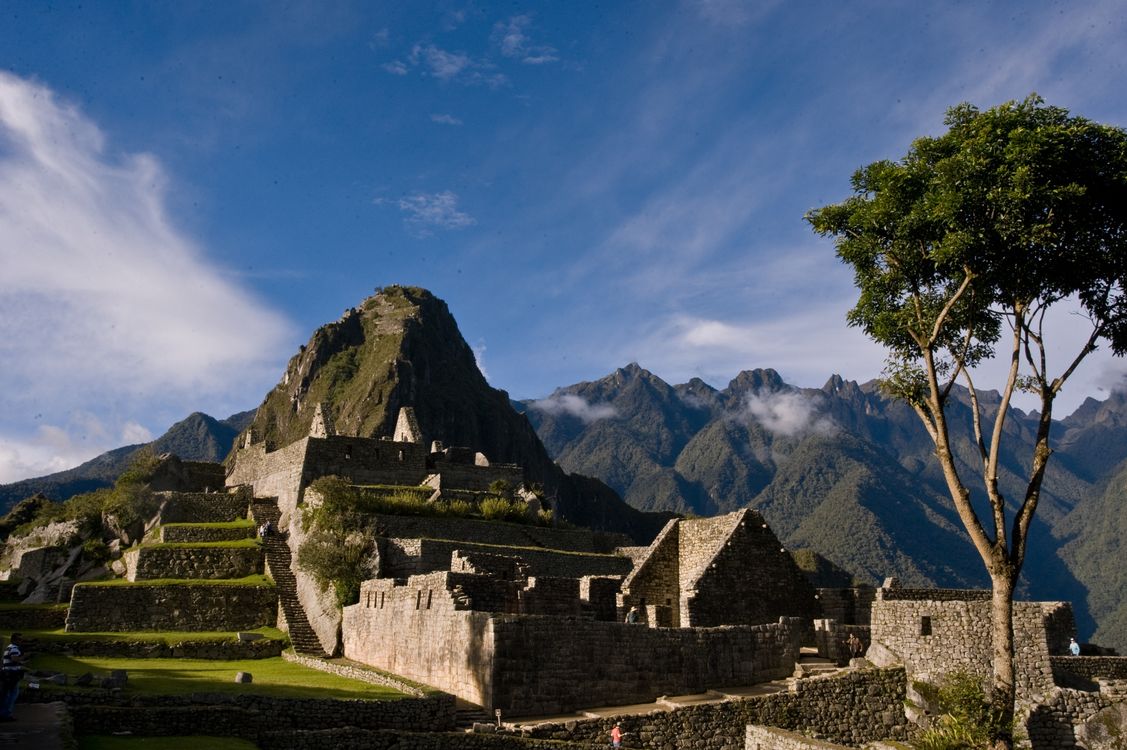
Because the trail is one continuous Inca road, you walk the same stones porters and messengers used centuries ago. That history is part of what sets it apart from newer alternative routes. For a side-by-side look at how it compares to the adventurous jungle option, see our guide on the Inca Trail versus the Jungle Trek.
Where Are the Key Checkpoints and Campsites?
The trail is organized around fixed checkpoints and campsites that your operator reserves when they secure your permit. You cannot wander off-schedule, and you camp only at designated sites. This keeps the route protected and the daily rhythm predictable.
Day one typically ends at a campsite near Wayllabamba, the last inhabited village on the trail. Day two climbs to and over Dead Woman's Pass, then drops to the Pacaymayo valley to camp. Day three is the richest for ruins, passing sites like Runkurakay, Sayacmarca, Phuyupatamarca and the terraces of Wiñay Wayna, where most groups spend the final night. Day four starts before dawn for the short walk to Inti Punku, the Sun Gate.
Checkpoints along the way scan your permit and passport, so carry the exact document you booked with. Guides handle the logistics, but knowing the sequence helps you pace yourself. The hardest camps sit at altitude, which brings us to the terrain.
How High and Steep Is the Terrain?
Altitude, not raw distance, is what makes the Inca Trail demanding. The path rises from the valley floor to Dead Woman's Pass, called Warmiwañusca, at roughly 4,215 meters. That is higher than most hikers have ever stood, and the thin air turns a moderate climb into a lung-burning effort.
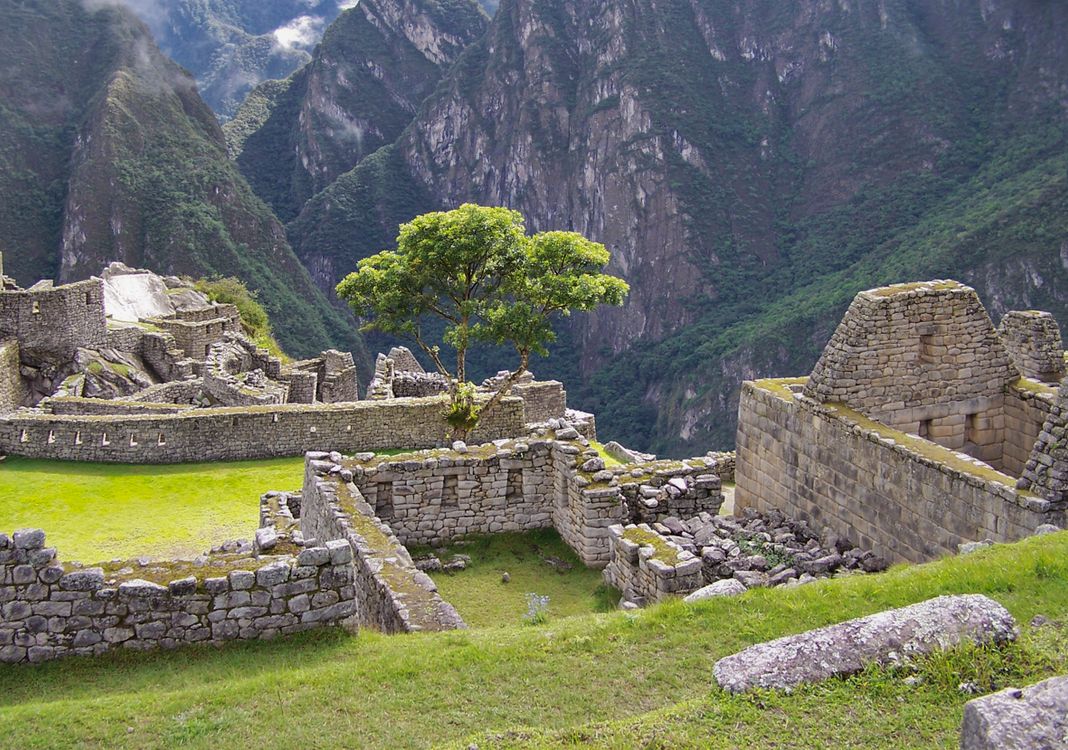
After the high pass, the trail crosses a second lower pass and then descends through cloud forest on steep original stone staircases. These stairs are hard on the knees, especially on day three. Machu Picchu itself sits lower, at about 2,430 meters, so the citadel feels almost comfortable after the passes above it.
The single best preparation is time at altitude before you start. Spend at least two full days in Cusco, which sits higher than Machu Picchu, drinking water and taking it slow. Rushing straight from the airport to the trailhead is the most common mistake, and altitude sickness does not care how fit you are.
When Is the Best Time of Year to Hike?
The dry season from May to September is the most reliable window, with clear mornings and firmer footing underfoot. These are also the busiest months, so permits for June, July and August vanish earliest. The shoulder months of April and October trade a little more rain for thinner crowds and green hillsides.
One date is fixed regardless of weather: the classic trail closes for the entire month of February for maintenance and reopens on March 1. The surrounding rainy months, roughly December through March, bring slick stone stairs and leeches in the cloud forest, so many hikers avoid them even when the trail is open.
Entry to Machu Picchu is managed separately by Peru's Ministry of Culture, which sells timed tickets through its official portal, Tuboleto.cultura.pe (gob.pe, Ministerio de Cultura, retrieved 2026-10-20). Your operator usually bundles this ticket with your trail permit, but it is worth knowing the citadel runs on its own capacity rules on top of the trail cap.
What Are the Alternatives If Permits Sell Out?
Permits are the trail's biggest bottleneck. Peru's Ministry of Culture caps how many trekkers and support staff can start each day, and that daily allowance regularly sells out months ahead for the high season. When it does, you still have strong options that end at the same ruins.
The Inca Jungle Trail is the liveliest alternative, mixing downhill mountain biking, hiking, and optional rafting on the way to Machu Picchu through Santa Maria and Santa Teresa. It needs no classic trail permit, so it can often be booked on shorter notice. Incajungletrail runs this route as its specialty, and you can review real departures on our Inca Jungle Trek Cusco booking page.
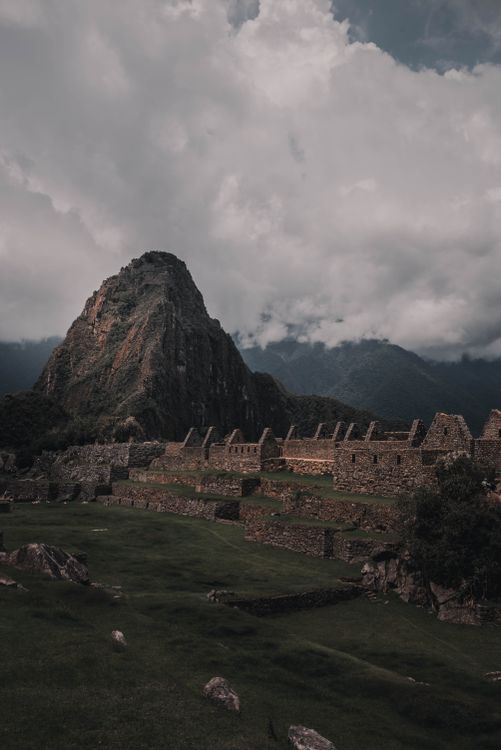
The Salkantay trek is the other popular choice, a higher and wilder route past glacial peaks for hikers who want distance and solitude. If you have little time, a train to Aguas Calientes plus a single day at the ruins skips the hiking entirely. Each option reaches the citadel; the difference is how much adventure and altitude you want along the way.
Choosing Your Route From Cusco
If your heart is set on walking the original stone path, treat the permit as the first thing you lock in, well before flights or hotels, because the daily cap and the February closure leave less room than most travelers expect. Pick a departure in the May-to-September dry season, build in two days of Cusco acclimatization, and book through a licensed operator who reserves your campsites and citadel ticket together.
If the classic permits are gone or the high-altitude passes worry you, compare the jungle and Salkantay routes before you settle. A short message to the Incajungletrail team with your dates will tell you quickly which route still has space and which fits your fitness, so you can commit with a clear picture rather than scrambling at the last minute.
Frequently asked questions
How long is the Inca Trail from Cusco to Machu Picchu?
The classic route covers roughly 43 kilometers and is usually walked over four days and three nights, ending at the Sun Gate overlooking Machu Picchu on the final morning.
Do I need a permit for the classic Inca Trail?
Yes. Peru's Ministry of Culture caps the number of trekkers and porters allowed on the trail each day, and permits must be booked through a licensed operator months in advance.
What is the hardest part of the trail?
Day two and the climb to Dead Woman's Pass, around 4,215 meters, is the toughest stretch. The altitude, not the distance, is what most hikers struggle with.
What if the Inca Trail permits are sold out?
Alternative routes reach the same citadel. The Inca Jungle Trail, the Salkantay trek, and a train plus day tour from Cusco all end at Machu Picchu without a classic trail permit.
When is the Inca Trail closed?
The classic Inca Trail closes every February for maintenance and reopens on March 1. The rest of the year it operates, with the dry season from May to September being busiest.