



Key takeaways
- A complete Cusco to Machu Picchu tour package should cover transport, lodging, meals, a licensed guide and your Machu Picchu entrance ticket.
- Machu Picchu runs on timed, circuit-based entry, so your package ticket locks in a specific route and entry window rather than open access.
- Common hidden costs are the bus up to the citadel, Huayna Picchu add-ons, tips and meals on travel days, so confirm them before you pay.
- Short train packages are fast and comfortable, while multi-day treks like the Inca Jungle Trail trade speed for scenery, biking and rafting.
- Book once your dates are firm, since entry is capped daily, and carry the exact passport you booked under for your ticket and any train.
A complete Cusco to Machu Picchu tour package should cover your transport from Cusco, lodging near the site, meals listed in the itinerary, a licensed guide and your timed entrance ticket to the citadel. Everything beyond that line, the bus up the mountain, optional peaks, tips and drinks, is where budgets quietly grow. This guide breaks down exactly what a Cusco to Machu Picchu tour package includes, what usually costs extra, and how to compare a quick train trip against a multi-day trek before you book.
Machu Picchu is a UNESCO World Heritage Site, inscribed in 1983 and covering more than 32,000 hectares of protected mountain terrain (UNESCO World Heritage Centre). That protected status shapes everything about how tours run, from daily visitor caps to the fixed walking circuits your ticket assigns.
What a Cusco to Machu Picchu tour package actually covers
Packages vary by operator, but a genuinely complete one bundles five core pieces so you are not buying them piecemeal.
- Transport from Cusco. This is either a train journey through the Sacred Valley or a mix of road transfer and trekking, depending on the route you choose.
- Lodging. Most itineraries include at least one night in Aguas Calientes, the town directly below the citadel, so you can enter early.
- Meals. Breakfasts and some dinners are common. Trek packages usually feed you more fully because you are in the field all day.
- A licensed guide. Guides are regulated at the site, and a good one turns a walk through ruins into a clear story of Inca engineering and history.
- Machu Picchu entrance ticket. This is the timed, circuit-specific ticket that gets you inside.
If a quote looks unusually cheap, scan this list first. The missing items are almost always the entrance ticket, the shuttle bus or meals.
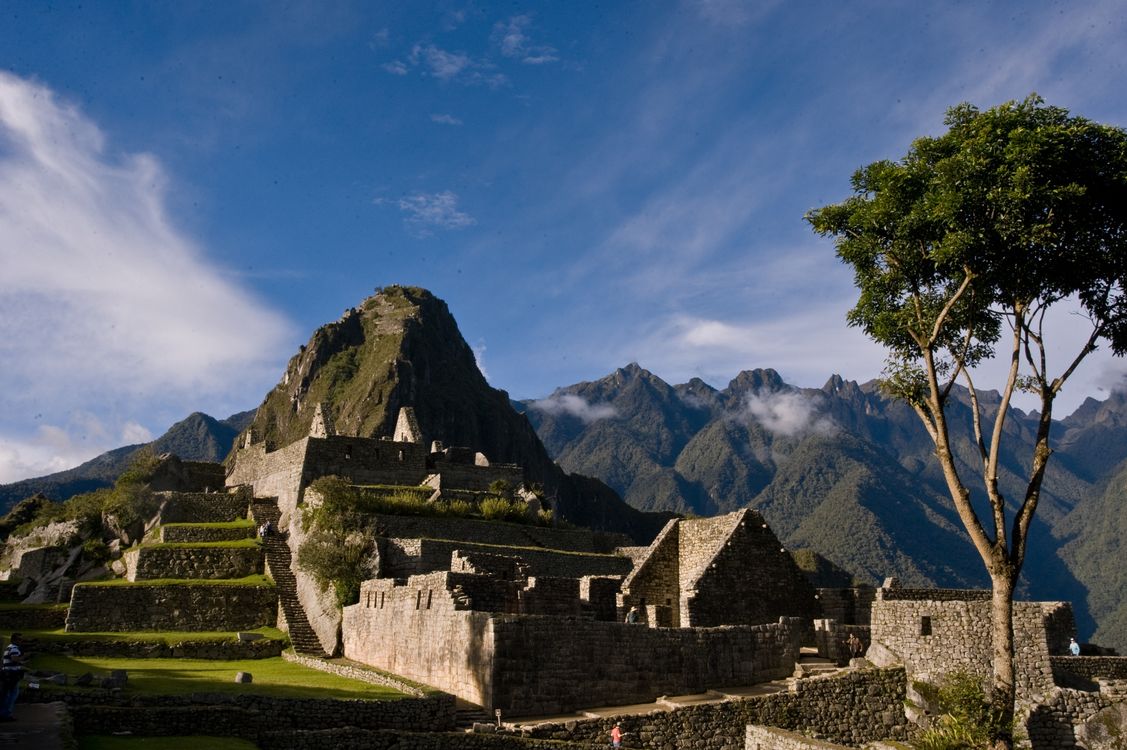
Transport, lodging, meals, guides and tickets explained
Transport
The classic route sends you by train to Aguas Calientes, then a short shuttle bus up to the entrance. Trek-based packages replace part of that train ride with hiking, and in the case of the Inca Jungle route, with biking and rafting too.
Lodging and meals
A night in Aguas Calientes matters more than it sounds. It lets you reach the gate for an early entry window before day-trippers arrive. On trek packages, lodging may be simpler guesthouses along the trail, and meals are typically fuller because the operator is feeding you through long active days.
Guides and tickets
Your entrance ticket is not open access. Machu Picchu uses timed entry on designated circuits, so each ticket ties you to a specific route and a specific entry hour. A licensed guide is built into most reputable packages, and on circuit-based routes a guide keeps your group moving correctly through the one-way paths.
Add-ons: Huayna Picchu, Sacred Valley and adventure activities
The base package gets you in. Add-ons shape the experience.
- Huayna Picchu. The steep peak behind the classic postcard view uses a separate, capped ticket with its own entry windows. It books out early and costs extra.
- Sacred Valley stops. Many travelers fold in Pisac or Ollantaytambo on the way, pairing a valley tour with the Machu Picchu visit.
- Adventure activities. On the Inca Jungle Trail, biking and rafting are part of the trip rather than optional extras, which is the main reason travelers pick it over a straight train run.
Confirm whether any add-on is included or quoted separately. A Huayna Picchu permit in particular has to be reserved at the time you book, not added on arrival.
How package pricing works and where hidden costs hide
Pricing reflects what is bundled and how many days you are supported in the field. A two-hour train trip and a four-day trek are different products, so comparing their headline prices directly is misleading.
The costs that catch travelers out are predictable once you know them:
- The shuttle bus between Aguas Calientes and the entrance, often sold separately.
- Huayna Picchu or other peak permits, which carry their own ticket.
- Meals on travel days, especially lunches that fall outside the listed itinerary.
- Tips for guides, drivers and porters, which are customary and not usually in the quote.
- Entry to extra sites in the Sacred Valley, which may need the regional tourist ticket.
Ask one direct question of any operator: "What is not included?" The honest answer tells you more than the price does.
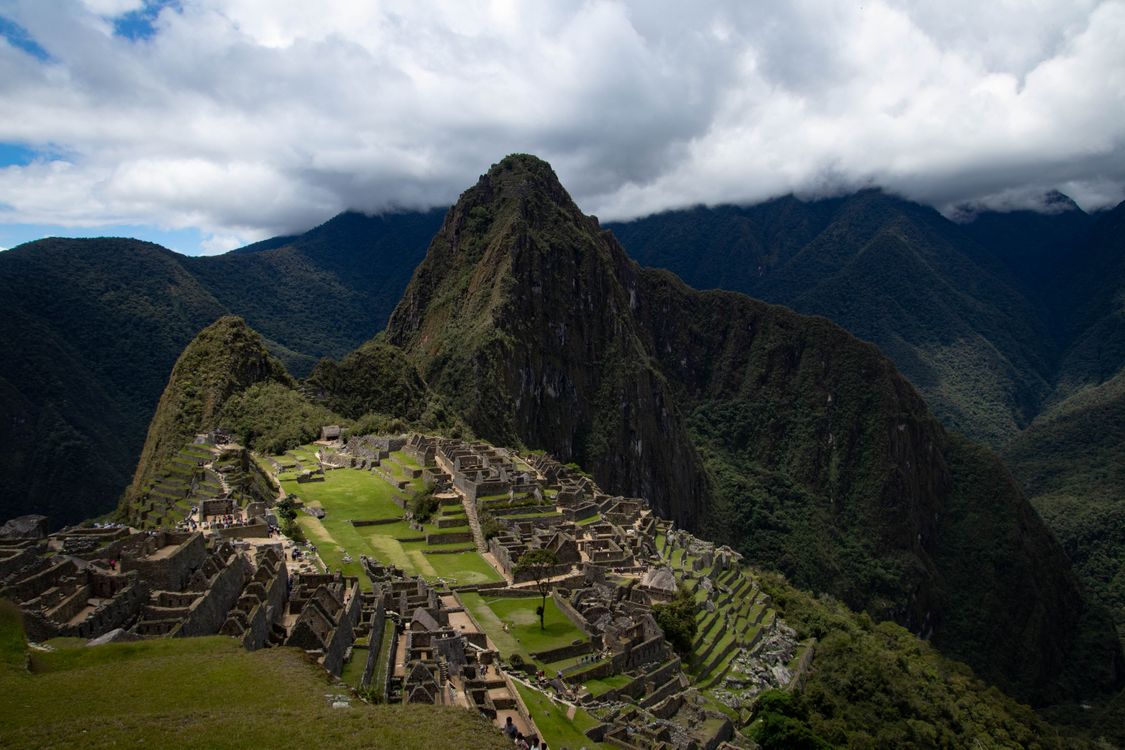
Comparing short train packages with multi-day trek packages
Both get you to the same mountain. They feel completely different.
A short train package is the comfortable, time-efficient choice. You travel through the Sacred Valley in a seat, spend a night in Aguas Calientes, and visit the citadel with a guide. It suits travelers short on days or wanting less physical effort.
A multi-day trek package, like the Inca Jungle Trail that Incajungletrail runs from Cusco through Santa Maria and Santa Teresa, trades that speed for a journey. You bike down a mountain road, raft a river, hike jungle sections and arrive at Machu Picchu having earned the view. Access to the site itself is capped daily, with official limits of 5,600 visitors in high season and 4,500 in low season, so either way your entry is a scheduled, finite thing (Peru Ministry of Culture, via TV Peru).
Pick the train if comfort and time matter most. Pick the trek if the days leading up to Machu Picchu are part of why you came.
How to book and what documents you need
Booking order is simple, but timing is not flexible once you lock dates.
- Fix your travel dates first. Because daily entry is capped, availability drives everything. Popular dates and any Huayna Picchu permits go early.
- Choose your product. Decide between a train package and a trek, and confirm the included list item by item.
- Book under the correct passport. Your entrance ticket and train seats are issued against a specific passport number.
- Confirm your circuit and entry time. These are assigned, so know them before you arrive.
On documents, carry the exact passport you booked with. The name and number on your ticket must match the passport you present at the gate, and the same applies to train tickets. Standard tourist entry to Peru does not require a visa for many nationalities, but a valid passport is non-negotiable, so check your own country's current entry rules before you travel.
If your dates are set and you want the version of this trip with biking, rafting and hiking built in, the next step is to check live departures. Our Inca Jungle Trek departures and booking page shows current dates so you can secure a spot before your chosen entry day fills.
Frequently asked questions
What is normally included in a Cusco to Machu Picchu tour package?
Most packages include round-trip transport from Cusco, at least one night of lodging in Aguas Calientes, meals as listed in the itinerary, a licensed guide and your timed Machu Picchu entrance ticket.
Is the bus up to Machu Picchu included in the package?
Not always. The shuttle bus between Aguas Calientes and the citadel entrance is a frequent extra cost, so check whether it is listed as included or sold separately.
Do I need my passport for a Machu Picchu tour?
Yes. Your Machu Picchu entrance ticket and train seats are tied to the passport number you booked with, so carry the same passport you used at booking.
Can I add Huayna Picchu to a standard package?
Often yes, but Huayna Picchu uses a separate capped ticket with its own entry windows, so it must be reserved in advance and usually costs extra.
Which is better, a short train package or a multi-day trek?
A train package is faster and more comfortable, while a multi-day trek like the Inca Jungle Trail adds hiking, biking and rafting over several days for travelers who want the adventure.