



Key takeaways
- The Inca Jungle Trail tour mixes downhill mountain biking, rafting and hiking on the way to Machu Picchu, so no single Inca Trail permit is required.
- The classic route runs four days from Cusco over the Abra Malaga pass, through Santa Maria and Santa Teresa, to Aguas Calientes and Machu Picchu.
- Machu Picchu sits at 2,430 metres, roughly a kilometre lower than Cusco, which eases altitude worries once you descend into the cloud forest.
- Moderate fitness is enough for most travelers, though the biking descent and jungle hiking still demand steady legs and sensible pacing.
- Booking with a guided operator like Incajungletrail covers permits, bikes, rafting safety, transport and timed Machu Picchu entry in one package.
The Inca Jungle Trail tour reaches Machu Picchu by combining downhill mountain biking, river rafting and cloud-forest hiking over four days from Cusco. It suits travelers who want more variety than a straight walk and who would rather skip the strict permit system of the classic Inca Trail. This guide breaks down each day, the route through Santa Maria and Santa Teresa, the fitness you need, what to pack, and how to book with a guided operator.
What makes the Inca Jungle Trail different?
The Inca Jungle Trail tour stands apart because it is multi-sport rather than a single long hike. Most Machu Picchu routes are walking only. This one opens with a mountain bike descent, adds optional rafting and zip-lining, then finishes with jungle trekking. That mix appeals to travelers who find a four-day walk repetitive.
The route also sidesteps the permit bottleneck. The classic Inca Trail runs on a protected path with a fixed daily quota that sells out months ahead. The Inca Jungle Trail uses public roads and valley paths instead, so operators can run it year round with far more flexibility. You still need a timed Machu Picchu entry ticket, sold through Peru's official portal, tuboleto.cultura.pe, but you avoid the separate trail permit scramble.
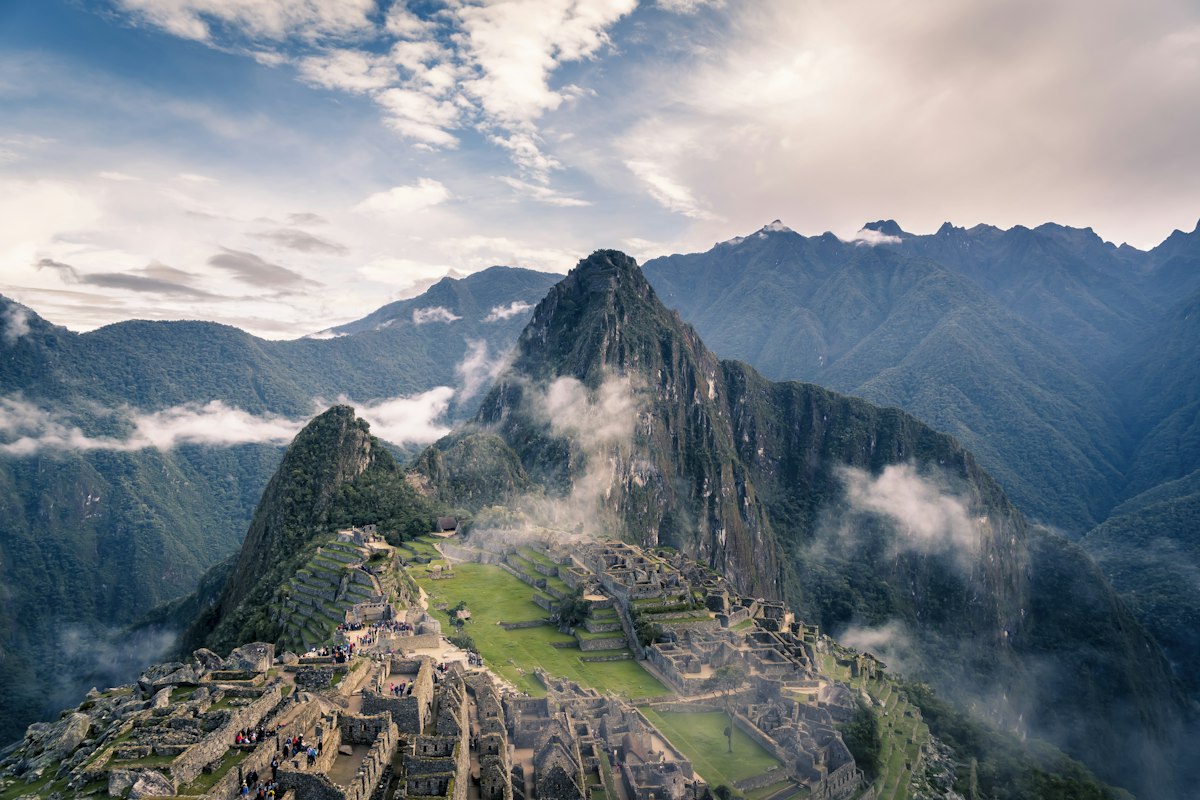
Altitude is gentler here too. Cusco sits high in the Andes, and much of this journey drops steadily toward warmer, lower valleys. Machu Picchu itself is only 2,430 metres above sea level, roughly a kilometre lower than Cusco, according to the UNESCO World Heritage Centre. Descending as you travel tends to feel kinder than climbing higher.
Day-by-day breakdown of biking, rafting and hiking
The tour spreads its activities across four days, each with a distinct character. Here is how a standard itinerary unfolds.
Day 1: Cusco to the biking descent and Santa Maria
You leave Cusco early by van and climb to the Abra Malaga pass, high in the mountains. From there the day's headline event begins: a long paved descent by mountain bike, dropping thousands of vertical feet toward the jungle. Brakes matter more than fitness here, and guides ride alongside for safety. The afternoon may add rafting on the Urubamba before you reach Santa Maria for the night.
Day 2: Santa Maria to Santa Teresa
The second day is the main hiking stretch. Trails follow old paths above the river, passing coffee and fruit plantations and stretches of original Inca stonework. Expect several hours of walking through humid cloud forest. Many groups end the day at the natural thermal pools near Santa Teresa, a welcome soak after the trail.
Day 3: Santa Teresa to Aguas Calientes
Day three often includes an optional zip-line circuit over the valley before you continue on foot. The walk toward Aguas Calientes runs alongside the railway tracks through steep green scenery. Aguas Calientes, the town below Machu Picchu, is where you rest before the early start.
Day 4: Machu Picchu
The final morning is the reason you came. You climb or ride a bus up to the citadel for a guided tour of the temples, terraces and plazas. After exploring, most travelers take the train back toward Cusco.
The route from Cusco through Santa Maria and Santa Teresa
The geography of the Inca Jungle Trail explains its appeal. The route starts high and cool in Cusco, crosses the Abra Malaga pass, then descends through changing ecosystems into the warm, green Santa Maria and Santa Teresa valleys before rising slightly again toward Aguas Calientes.
That descent is the character of the trip. You begin among bare high-altitude slopes and finish surrounded by cloud forest, coffee farms and river canyons. Temperatures climb as you drop, so a single day can start cold and end humid. The final approach follows the Urubamba river valley to Aguas Calientes, the gateway town directly below the ruins.
Because so much of the journey trends downhill or level, the effort feels manageable for the distance covered. The scenery shifts constantly, which keeps the walking days engaging rather than monotonous.
Fitness, difficulty and packing for the Inca Jungle Trail tour
Most reasonably active travelers can complete the Inca Jungle Trail tour. The biking is downhill and does not require cycling experience, only care on the brakes. The hiking days involve a few hours of walking on uneven jungle paths and stone steps, so steady legs help. It rates as moderate overall, gentler than the higher, longer Salkantay route.
Altitude is worth taking seriously even though the trail descends. High-elevation destinations in Peru can trigger altitude sickness, and the CDC advises travelers to talk with a doctor before visiting. Spending a day or two acclimatizing in Cusco before you start is a sensible habit.
For packing, keep it light since porters and vehicles carry the bulk while you walk with a daypack. A practical list:
- Layered clothing for cold mornings and warm, humid afternoons
- A rain jacket, since the cloud forest is often wet
- Sturdy broken-in hiking shoes with grip
- Insect repellent and high-factor sunscreen
- A refillable water bottle and personal snacks
- Swimwear for the thermal pools
- Your passport, required for entering Machu Picchu
How to book and why choose a guided operator
Booking the Inca Jungle Trail tour through a guided operator is the practical choice because the trip depends on coordinated logistics. Bikes, rafting gear, safety equipment, transport, meals, lodging and a timed Machu Picchu ticket all have to line up across four days and several locations. Assembling that independently is difficult and often no cheaper.
A licensed operator like Incajungletrail handles the bike rental and support vehicle, the rafting and zip-line safety, the accommodation in Santa Maria and Santa Teresa, and the entry ticket booked through the official system. Guides also read the weather and trail conditions, which matters on the biking descent and river sections. That local judgement is hard to replace.
When comparing operators, check that they are properly licensed, that group sizes are reasonable, and that safety equipment and insurance are clearly covered. Read recent traveler reviews on independent platforms rather than relying on marketing copy alone.
If you want an adventurous, varied path to Machu Picchu without the permit lottery of the classic trail, take the next concrete step: choose your travel dates for the dry season, confirm availability with Incajungletrail, and reserve early so your Machu Picchu entry time is locked in before the peak months fill up.
Frequently asked questions
How difficult is the Inca Jungle Trail tour?
It is moderate. The mountain biking is downhill and beginner friendly, while the hiking days involve a few hours of walking on jungle paths and stairs. Regular walkers with basic fitness manage it comfortably.
Do I need a permit for the Inca Jungle Trail?
No. Unlike the classic Inca Trail, this route does not use the permitted trail network, so it avoids the strict daily permit cap. You still need a timed Machu Picchu entry ticket, which your operator arranges.
How many days does the Inca Jungle Trail take?
The standard tour runs four days and three nights, starting in Cusco and finishing at Machu Picchu. A shorter three-day version exists, but four days gives a more relaxed pace through Santa Maria and Santa Teresa.
What is the best time of year to hike the Inca Jungle Trail?
The dry season from May to September offers the most reliable trail conditions and clearer views. The wet season brings greener scenery but muddier paths and a higher chance of rain on the biking descent.