



Key takeaways
- Rainbow Mountain (Vinicunca) sits at 5,036 m, far higher than Cusco at 3,399 m, so spend two to three days acclimatizing before you go.
- The trailhead is about a three-hour drive from Cusco, making this a long full-day trip of roughly 10 to 14 hours.
- Visit in the dry season from May to September for the clearest colors and the lowest chance of rain or snow covering the stripes.
- Pack layers, sun protection, cash in Peruvian soles for the community entrance fee, and water, since the summit air holds roughly half the oxygen of sea level.
Visiting Rainbow Mountain Peru from Cusco means an early start, about three hours on the road each way, and a high-altitude hike that tops out at 5,036 meters (16,522 feet). Give yourself two to three days in Cusco first to acclimatize, pack warm layers and sun protection, and the striped peak of Vinicunca is well within reach as a single long day trip.
This guide walks through how to get there, how to handle the thin air, when to go, what to carry, and how to fit the excursion into a larger Machu Picchu adventure.
How to Reach Rainbow Mountain from Cusco
Rainbow Mountain sits in the Andes southeast of Cusco, in the Pitumarca district. Nearly everyone reaches it the same way: a pre-dawn pickup from their Cusco hotel, a drive of roughly three hours to a trailhead near the village of Phulawasipata, then a hike to the viewpoint.
Most day trips leave Cusco between 3:00 and 4:00 in the morning. That timing feels brutal, but it puts you on the trail before the midday crowds and gives you the best shot at clear skies. The drive climbs steadily, with a breakfast stop in a small Andean town along the way.
From the trailhead at roughly 4,600 meters, the walk to the summit viewpoint is a few kilometers each way. The path is wide and well-trodden rather than technical, so the difficulty comes from the altitude, not the terrain. If the climb feels like too much, local families rent horses for part of the route.
Plan for the whole thing to swallow a full day. Between driving, hiking, and photo stops, you are looking at roughly 10 to 14 hours door to door.
Altitude, Difficulty, and Acclimatization Tips
Altitude is the single biggest factor on this trip. The summit of Vinicunca reaches 5,036 meters (16,522 feet), while Cusco itself sits at 3,399 meters (11,152 feet). At the top, the air holds roughly half the oxygen available at sea level, so even fit hikers feel their lungs working hard.
The U.S. Centers for Disease Control and Prevention notes that altitude illness can affect any unacclimatized traveler sleeping at or above 2,450 meters (8,000 feet). The CDC recommends spending a minimum of two to three nights around that range before ascending higher, and limiting increases in sleeping altitude to about 500 meters per day once above 3,000 meters. Translated to this trip, that means settling into Cusco for two or three days before you attempt Rainbow Mountain.
A few practical habits help:
- Arrive in Cusco a few days early and take it easy at first.
- Drink plenty of water and go easy on alcohol the night before.
- Walk slowly on the trail and rest whenever your breathing demands it.
- Watch for headache, nausea, dizziness, or unusual fatigue, the common early signs of altitude sickness. If they set in, do not push higher.
One advantage of the day-trip format is that you return to Cusco by evening. The CDC points out that the body is most vulnerable to altitude during sleep, so a trip that climbs high and comes back down the same day is less taxing than sleeping at extreme elevation. Some travelers also talk to a doctor about acetazolamide before the trip; that is a medical decision, not a travel one, so raise it with a clinician.
Best Time of Day and Year to Visit
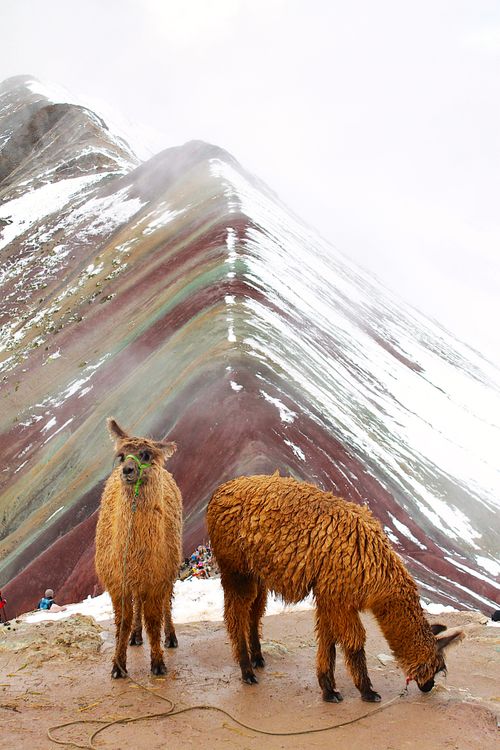
For time of year, the dry season from May through September is the clear winner. Skies are more reliably blue, the trail is firmer, and the mineral stripes that make the mountain famous show up at their brightest. During the wet season, roughly November to March, clouds, rain, and even snow can mute the colors or hide them entirely.
Time of day matters just as much. The early departure is not an accident. Mornings bring the calmest weather and the thinnest crowds, and clouds tend to build over the peaks as the day warms. Arriving at the viewpoint mid-morning usually means better light and fewer people in your photos than an afternoon arrival would.
Temperatures swing widely in a single day. Pre-dawn starts can be near freezing, while strong high-altitude sun makes midday feel warm the moment the wind drops. Dressing for both ends of that range is the key, which leads straight to packing.
What to Pack and Wear
The goal is to stay warm at dawn, cool at midday, and protected from intense sun the whole time. Layering does all of that work.
A sensible kit for the day:
- Clothing layers: a base layer, a warm mid-layer such as fleece, and a windproof or waterproof outer shell you can add and shed as the temperature changes.
- Sturdy footwear: broken-in hiking shoes or boots with grip for the loose, sometimes muddy path.
- Sun protection: a brimmed hat, sunglasses, and high-SPF sunscreen, since UV exposure is severe at this elevation.
- Water and snacks: at least one to two liters of water and light, high-energy food.
- Cash in Peruvian soles: a community entrance fee is collected at the site, and card payment is not an option in the mountains.
- Small daypack: to carry the layers you peel off as the day warms.
Gloves and a warm hat are worth the space for the cold early hours. Trekking poles help on the descent if your knees appreciate the support. Keep the pack light, because every extra kilogram feels heavier at 5,000 meters.
Combining Rainbow Mountain with Your Trek
Rainbow Mountain works beautifully as a warm-up for a bigger Andean adventure, and the acclimatization logic is the reason. A day at that altitude, followed by a night back in Cusco, helps your body adjust before a multi-day trek to Machu Picchu.
If you are already planning the Inca Jungle Trail with Incajungletrail, slotting Rainbow Mountain into your pre-trek days in Cusco is a smart move. You get an unforgettable viewpoint and a genuine altitude test before the main event, all without adding days to your core itinerary. Many travelers keep Rainbow Mountain as a standalone day trip precisely so it does not compete with their trek for energy.
Timing is the thing to watch. Rainbow Mountain is demanding, so avoid scheduling it the day before a hard trekking day. Give yourself a rest day in between if you can. If you are still weighing your route options, the comparison of the Inca Jungle Trek versus Salkantay can help you decide where a Rainbow Mountain day fits best.
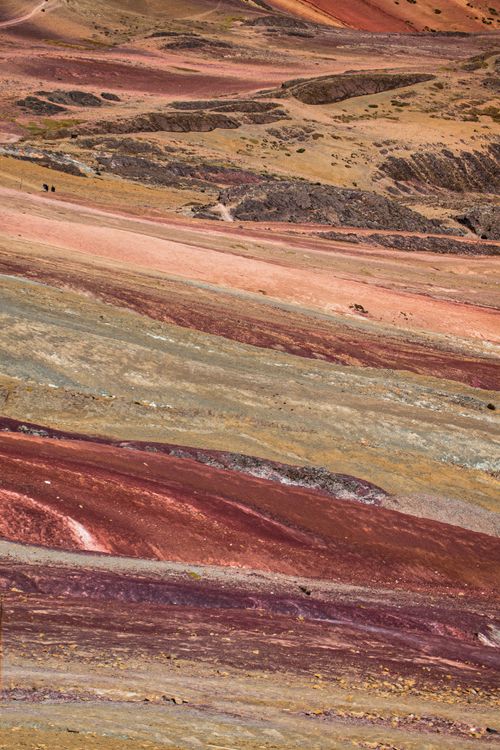
The reward is a landscape few places on earth can match: bands of red, gold, green, and lavender rock laid bare across a 5,000-meter ridge. With a couple of acclimatization days behind you and a packed daypack ready the night before, book an early departure, set the alarm, and let the mountain do the rest.
Frequently asked questions
How high is Rainbow Mountain in Peru?
The summit of Vinicunca, known as Rainbow Mountain, reaches 5,036 meters (16,522 feet) above sea level, which is why altitude is the main challenge of the hike.
How long is the day trip from Cusco to Rainbow Mountain?
Expect a full day of roughly 10 to 14 hours, including about three hours of driving each way and three to four hours of hiking at altitude.
Do I need to acclimatize before visiting Rainbow Mountain?
Yes. The CDC recommends spending time at moderate altitude before ascending higher, so plan two to three days in Cusco first to reduce your risk of altitude sickness.
What is the best time of year to visit Rainbow Mountain?
The dry season from May to September offers the clearest skies and the most vivid colors. Rain and snow in the wet season can obscure the mountain's stripes.