


Key takeaways
- The Inca Jungle Trek mixes biking, hiking, rafting and zip-lining, while Salkantay is a pure high-altitude hike over a pass near 4,600 m.
- Salkantay climbs much higher than the Inca Jungle route, so acclimatization in Cusco matters more before you start.
- The Inca Jungle Trek is usually 4 days and more beginner-friendly; Salkantay is often 5 days and physically harder.
- Choose the Inca Jungle Trek for variety and adventure sports, and Salkantay for classic mountain hiking and glacier views.
Pick the Inca Jungle Trek if you want a mix of biking, hiking, rafting and zip-lining on a route that stays at more moderate altitude. Choose Salkantay if you want a classic mountain hike with glacier views and you are comfortable crossing a high pass near 4,600 m. Both routes end at Machu Picchu, so the real question in the Inca Jungle Trek vs Salkantay debate is what kind of days you want in between.
This guide compares the two on scenery, altitude, difficulty, cost and duration, then matches each trek to the traveler it suits best.
Inca Jungle Trek vs Salkantay: key differences in scenery, altitude and activities
The clearest split between these routes is what you actually do each day.
The Inca Jungle Trek is a multi-sport adventure. A typical 4-day version starts with a vehicle transfer from Cusco up toward the Abra Malaga area, then a long downhill mountain bike descent toward Santa Maria. Later days add jungle hiking along old Inca paths, whitewater rafting, and optional zip-lining, before the route drops through Santa Teresa toward Aguas Calientes and Machu Picchu. The scenery shifts from high Andean passes into warm cloud forest, coffee country and river valleys.
The Salkantay Trek is a hiking route from start to finish. Over roughly five days you walk toward the base of Salkantay mountain, cross the Salkantay Pass, then descend through changing ecosystems on the way to Machu Picchu. The signature moment is the pass itself, with close views of glaciers and the snow-capped Salcantay summit, which rises to 6,271 m.
Altitude is where the two routes separate most:
- Cusco: 3,399 m, the acclimatization base for both treks.
- Salkantay Pass: approximately 4,600 m, the high point of that route and a sustained hiking effort.
- Abra Malaga area (Inca Jungle): around 4,350 m, but you reach it by vehicle and then bike downhill, so you spend little time exerting yourself up high.
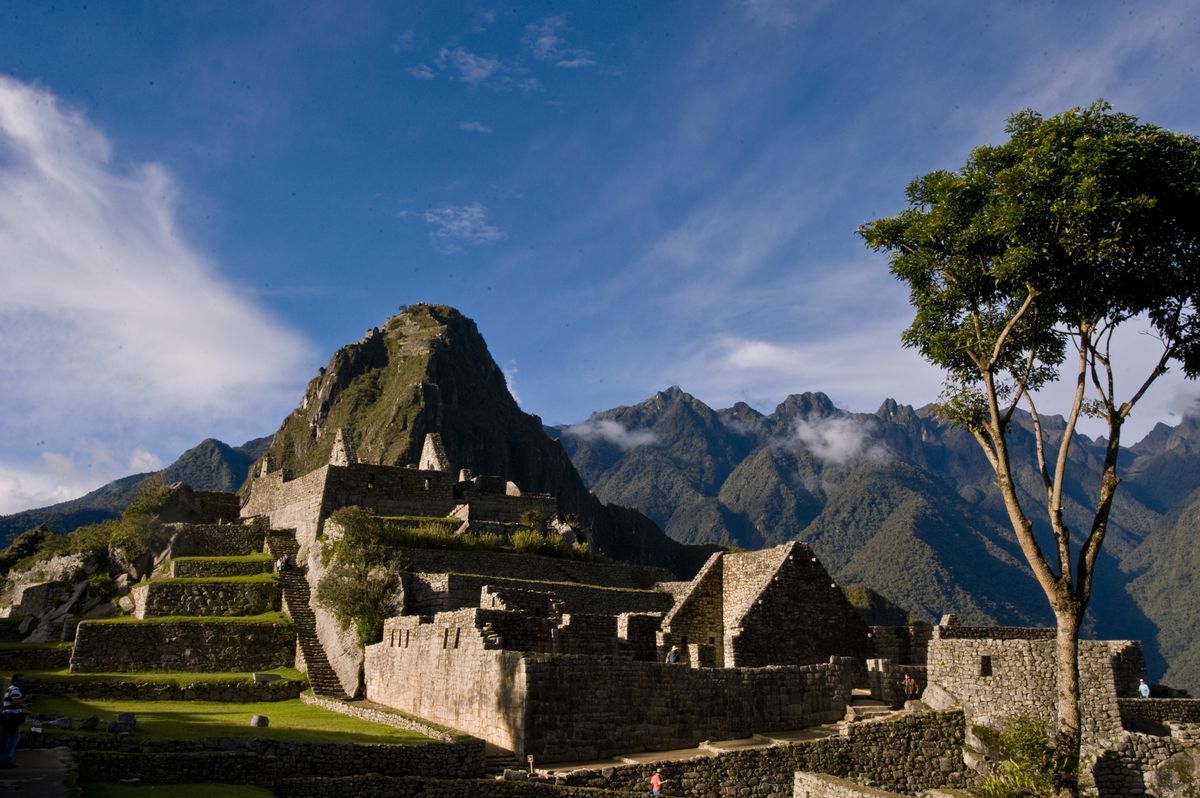
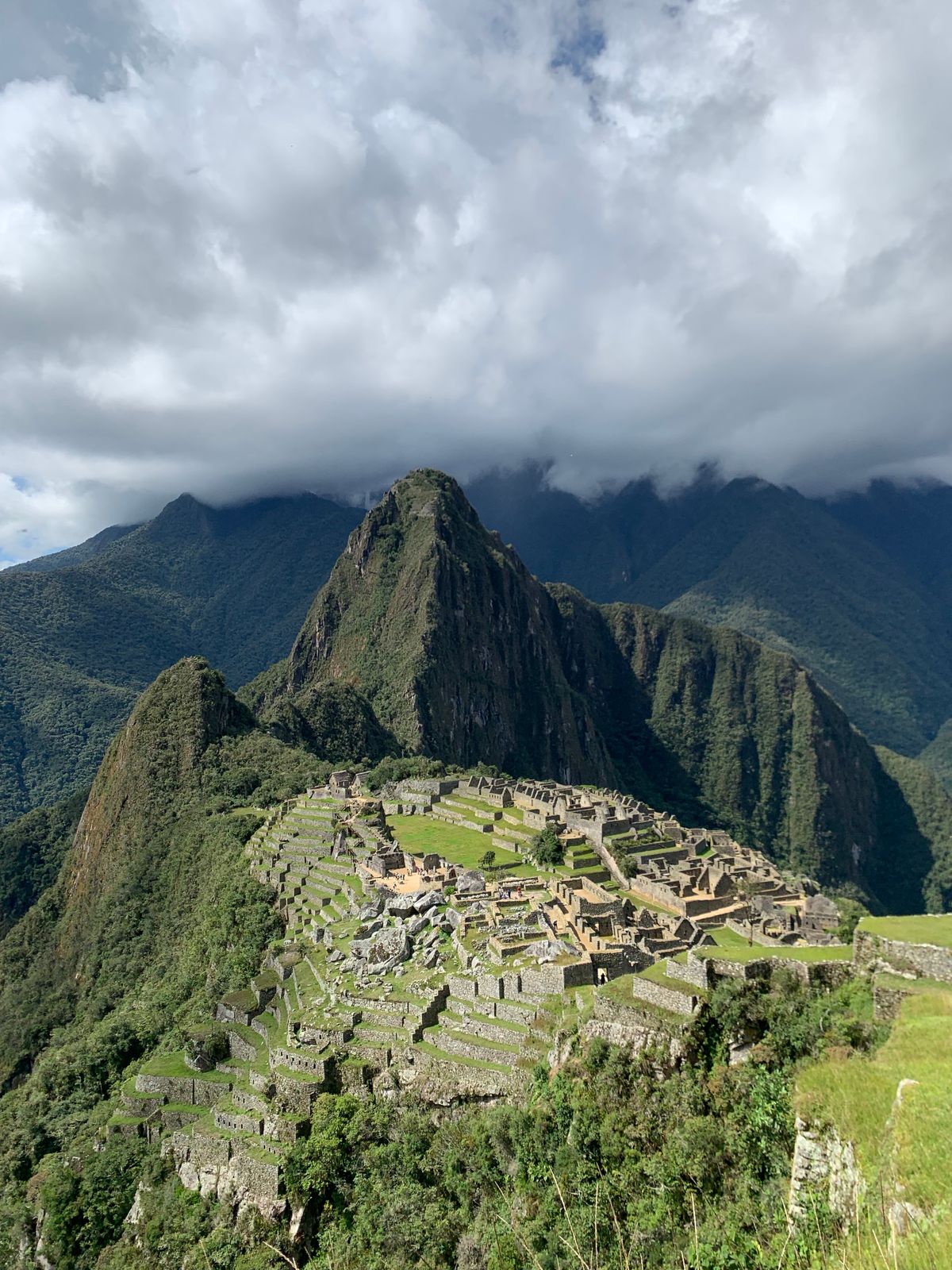
- Machu Picchu: 2,430 m, lower than Cusco and an easier finish for both groups.
Salkantay keeps you higher for longer and asks you to hike over its pass. The Inca Jungle Trek touches similar heights only briefly and mostly trends downhill from its peak.
Difficulty and fitness comparison
For most travelers, the Inca Jungle Trek is the more approachable option. The effort is spread across different activities, the highest point is reached by vehicle, and the biggest single day is a downhill bike ride rather than a long climb. Reasonable fitness and comfort on a bike are enough for the standard itinerary.
Salkantay is a genuine hiking challenge. Crossing a pass near 4,600 m means several hours of uphill walking in thin air, followed by a long descent. You do not need technical mountaineering skills, but you do need the stamina for consecutive full days on foot at altitude.
Altitude drives much of that difficulty gap. According to the CDC's guidance on high-altitude travel, altitude-illness risk begins at sleeping elevations at or above 2,450 m, and sleeping above 3,400 m places travelers in the highest risk category. Cusco already sits above that 3,400 m mark, which is why a few days in the city before either trek matters. The CDC also advises that above 3,000 m you should increase your sleeping altitude by no more than about 500 m per day. Salkantay's high pass sits well beyond these thresholds, so the route demands more careful acclimatization than the Inca Jungle Trek.
If you are weighing your fitness against the full daily plan, our 4-day trek to Machu Picchu day-by-day itinerary breaks down exactly what each day of the Inca Jungle route involves.
Cost and duration side by side
The two treks are close in overall investment, but they differ in length and in how the days are structured.
| Factor | Inca Jungle Trek | Salkantay Trek |
|---|---|---|
| Typical duration | 4 days / 3 nights | 5 days / 4 nights |
| Main activities | Biking, hiking, rafting, zip-lining | Hiking only |
| Highest point | Around 4,350 m (reached by vehicle) | Salkantay Pass, approximately 4,600 m |
| Physical demand | Moderate, spread across activities | Higher, sustained hiking at altitude |
| Finish | Machu Picchu (2,430 m) | Machu Picchu (2,430 m) |
The shorter Inca Jungle Trek fits travelers on tighter schedules, and its mix of activities packs a lot of variety into four days. Salkantay's extra day gives more time on the trail and more mountain scenery, but it also means one more day of walking and one more night at altitude.
Because pricing depends on group size, season, and what each package includes, it pays to compare exactly what is bundled rather than the headline number. Both routes usually include transport, guiding, meals, accommodation and the Machu Picchu entrance, but rafting, zip-lining and upgraded lodging can shift the total on the Inca Jungle side.
Which travelers each trek suits best
The Inca Jungle Trek suits travelers who want adventure sports as much as scenery. It is a strong pick if you like the idea of biking and rafting, you prefer a lower-altitude profile, you have four days rather than five, or you are traveling with a mixed-fitness group that still wants a memorable route to Machu Picchu. Incajungletrail runs this route from Cusco through Santa Maria and Santa Teresa, combining the biking, hiking and rafting into one guided package.
The Salkantay Trek suits committed hikers. Choose it if your goal is a classic Andean walk, you want extended time among glaciers and high passes, and you are confident about several full days on foot at altitude. It rewards the extra effort with some of the most dramatic mountain views on any Machu Picchu route.
If you are still deciding between adventure styles, our overview of Inca Jungle Trek hiking, biking and rafting explained walks through each activity so you know what to expect before you commit.
Our verdict for adventure seekers
For travelers who want the widest range of experiences in the shortest time, the Inca Jungle Trek is the better fit. You get four days of biking, hiking, rafting and optional zip-lining, a gentler altitude profile, and the same iconic finish at Machu Picchu that Salkantay delivers. Salkantay remains the stronger choice for dedicated hikers chasing high mountain scenery, but it asks for more days and more fitness.
Your next step is to match the route to your travel dates and fitness, then confirm exactly what your package includes. Look at an Inca Jungle itinerary day by day, check the altitude profile against your acclimatization plan in Cusco, and book the route that fits the trip you actually want.
Frequently asked questions
Is the Inca Jungle Trek easier than Salkantay?
Yes, for most people. The Inca Jungle Trek breaks the effort across biking, hiking and rafting and tops out lower, while Salkantay is a continuous hike over a pass near 4,600 m.
Which trek reaches a higher altitude?
Salkantay. Its highest pass sits near 4,600 m, while the Inca Jungle Trek's high point at the Abra Malaga area is around 4,350 m and is reached by vehicle before you bike downhill.
How long does each trek take?
The Inca Jungle Trek is typically 4 days and 3 nights. The Salkantay Trek is usually 5 days and 4 nights.
Do both treks end at Machu Picchu?
Yes. Both routes finish with a visit to Machu Picchu, which sits at 2,430 m, lower than Cusco.
Do I need to acclimatize before either trek?
Yes. Cusco sits at 3,399 m, and the CDC places sleeping elevations above 3,400 m in its highest altitude-illness risk category, so spend a few days adjusting first.