




Key takeaways
- The 4-day trek to Machu Picchu covers biking, hiking, rafting and a final morning at the citadel, running from Cusco through Santa Maria and Santa Teresa.
- The route drops from a high mountain pass to warm cloud forest around 1,500 meters, then climbs back toward Machu Picchu, so weather and clothing needs change daily.
- Cusco sits at roughly 3,350 meters, and altitude illness risk rises above 2,450 meters, so two nights acclimatizing in Cusco before you start is the single best preparation (CDC Yellow Book).
- Pack light for four days: quick-dry layers, rain gear, sturdy footwear, sun protection, and cash in soles for snacks and hot springs.
The 4 day trek to Machu Picchu takes you from Cusco through the Inca Jungle route, combining mountain biking, hiking, an optional rafting stage and a final sunrise arrival at the citadel. This guide walks you through each day with distances, altitude changes, where you sleep, what you eat and how to prepare, so you can book with confidence and know exactly what to expect.
The Inca Jungle Trail is the adventurous alternative to the classic Inca Trail. Instead of four days of high-altitude hiking, you descend into warm cloud forest, then work your way back up toward Machu Picchu. It rewards travelers who want variety and a lower-altitude experience without giving up the payoff of reaching one of the most famous sites on earth.
What Makes the 4 Day Trek to Machu Picchu Different?
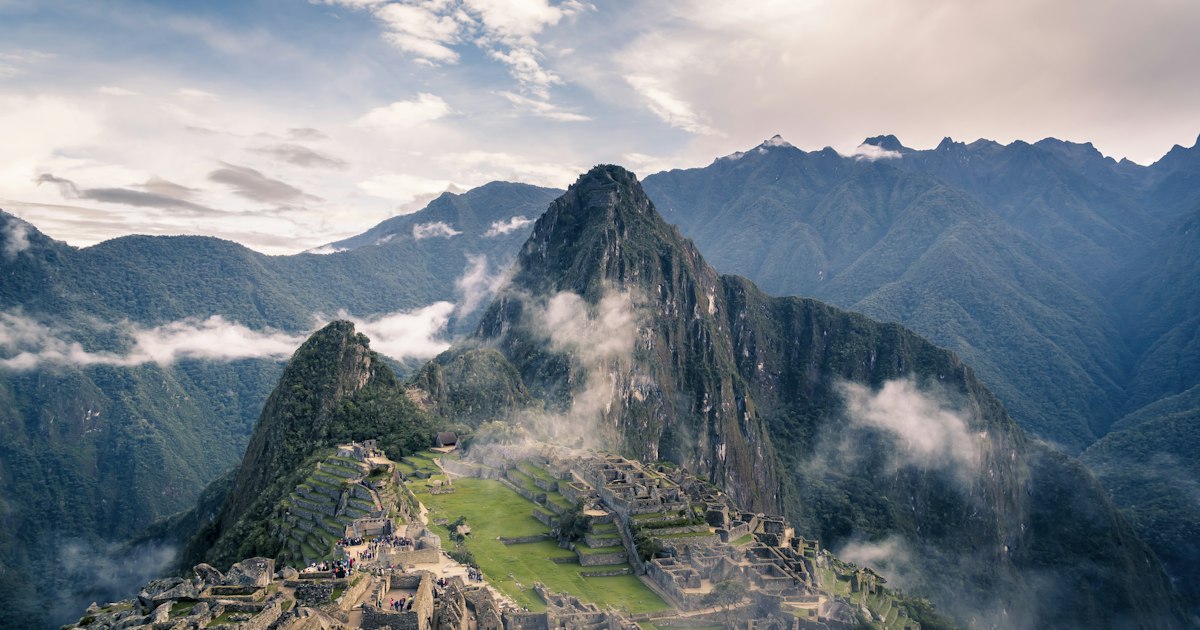
The route trades altitude for variety. While Cusco sits at roughly 3,350 meters, most of the Inca Jungle Trail runs through valleys well below 2,000 meters, which reduces altitude strain once you have acclimatized (CDC Yellow Book, 2026). That lower profile is a big reason travelers pick this path.
You get four distinct experiences in one trip. Day one is a downhill bike ride from a high mountain pass. Day two is a jungle hike past coffee and fruit plantations. Day three mixes hot springs with a scenic walk along the railway. Day four is Machu Picchu itself. Operators like Incajungletrail run the full route as a guided package, which keeps logistics simple across all four days.
Why does the mix matter for a shorter trek? Because it packs adventure into a tight window. You are not repeating the same activity for four days, so the trip stays interesting from the first pedal stroke to the last stone terrace.
Day 1: Cusco to Santa Maria by Bike
Day one starts early in Cusco and climbs by van to the trip's highest point, a mountain pass above 4,000 meters, before you swap the vehicle for a bike. From there you descend roughly 60 kilometers of paved road into the Santa Maria valley, dropping thousands of meters into warmer, greener terrain.
The downhill ride is the signature moment of the day. Guides brief you on braking and positioning, and a support van follows the group the whole way. The optional whitewater rafting stage on the Urubamba River usually slots in during the afternoon for those who want it.
You sleep in a simple hostel in or near Santa Maria, at roughly 1,500 meters. Dinner is typically a hot, hearty meal of soup, rice, and a local main dish. Highlights of the day: the alpine pass, the long descent, and the shift from cold highlands to humid cloud forest in a single afternoon.
Day 2: Santa Maria to Santa Teresa on Foot
Day two is the main hiking stage, covering roughly 15 to 20 kilometers along old Inca paths and jungle trails between Santa Maria and Santa Teresa. The walking is gradual rather than punishing, with plenty of shade and river views.
Along the way you pass coffee farms, banana and avocado plantations, and sections of original Inca stonework. Many groups stop to sample local coffee or fresh fruit, and guides point out plants used in traditional medicine. The trail traces the river valley, so water is never far away.
You reach Santa Teresa in the late afternoon, around 1,600 meters. Lodging is again a local hostel, and dinner is served family-style. Many travelers finish the day at the nearby Cocalmayo hot springs, a set of natural thermal pools that are perfect after a long walk. Bring a swimsuit and a small towel if you plan to soak.
Day 3: Santa Teresa to Aguas Calientes
Day three is the shortest walking day, following the railway line from the Hidroelectrica station to Aguas Calientes, the town at the base of Machu Picchu. The flat trail runs about 10 to 12 kilometers and takes two to three hours at an easy pace.
The scenery shifts to dense forest with your first glimpses of Machu Picchu mountain rising ahead. You may spot orchids, butterflies and birds along the tracks. Some itineraries add a zipline in the morning near Santa Teresa before the group transfers to Hidroelectrica for lunch.
You spend the night in Aguas Calientes in a proper guesthouse or small hotel, a step up from the trail hostels. This is the moment to lay out clothes, charge devices and get an early night. Your guide confirms the wake-up time and reviews the plan for reaching the entrance gate the next morning.
Day 4: Machu Picchu and the Return
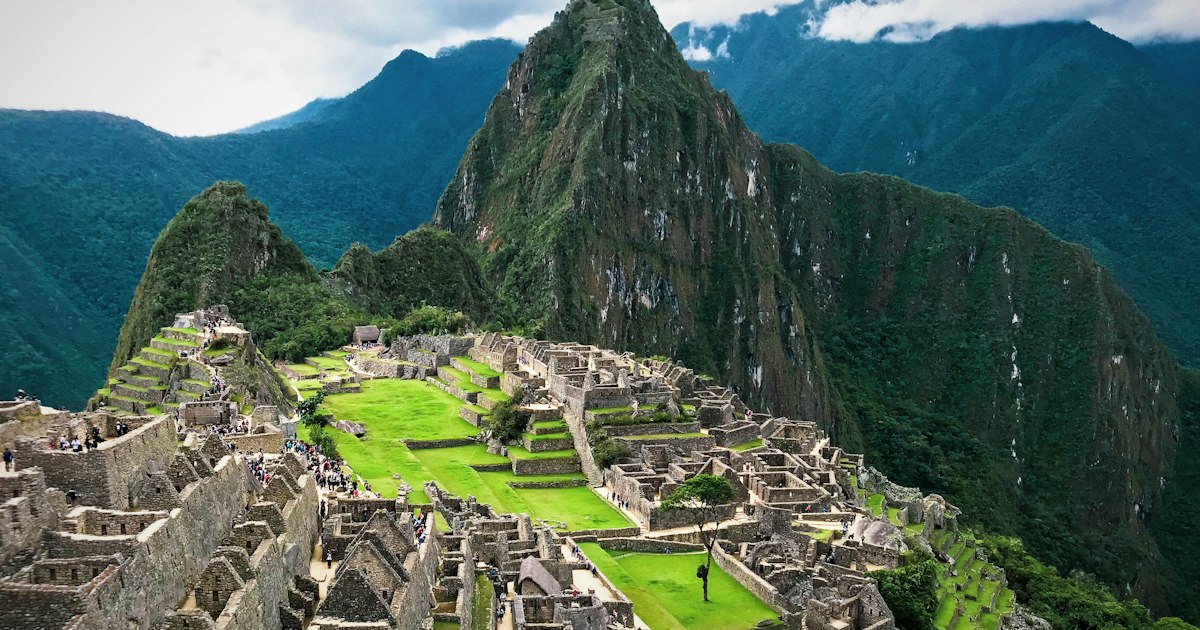
Day four is the reason you came. You rise before dawn and either climb the steep stairway or take the shuttle bus up to the entrance, then join a guided tour of the citadel at roughly 2,400 meters. Machu Picchu access is timed and capped by the Peruvian authorities, so your operator books an entry slot in advance.
The guided tour lasts around two hours and covers the temples, terraces and the Intihuatana stone. Afterward you can explore your permitted circuit before heading back down to Aguas Calientes. Many travelers add a climb of Huayna Picchu or Machu Picchu Mountain, which must be booked as a separate ticket well ahead of time.
In the afternoon you take the train toward Ollantaytambo, then a van back to Cusco, arriving in the evening. Getting there early is the difference between crowded photos and quiet ones, so aim for the first entry window your ticket allows.
Accommodation and Meals Along the Route
Lodging is basic but comfortable, matched to a trekking budget rather than a resort one. Nights one and two are in local family-run hostels in Santa Maria and Santa Teresa, with shared or private rooms depending on your package. Night three in Aguas Calientes is usually a small hotel with hot showers.
Meals are a strong point of the trip. Most packages include breakfast, lunch and dinner on trekking days, built around Peruvian staples: quinoa soup, lomo saltado, fresh trout, rice, and plenty of fruit. Vegetarian and other dietary needs are easy to arrange if you flag them at booking. Carry some cash in soles for extra snacks, bottled drinks and the hot springs entrance, since card payment is rare on the trail.
Packing List for a 4-Day Trek
Pack light, because you carry your own daypack while a duffel travels with the group. Focus on layers you can add or remove as you move between cold highlands and humid jungle. Here is a practical list for the 4 day Machu Picchu trek:
- Quick-dry shirts and hiking trousers or shorts
- A warm fleece or light jacket for the high pass and cool evenings
- A waterproof rain jacket, essential in any season
- Sturdy, broken-in hiking shoes or boots
- Swimsuit and a small microfiber towel for the hot springs
- Sun hat, sunglasses and high-SPF sunscreen
- Insect repellent for the jungle sections
- Refillable water bottle and personal snacks
- Headlamp for the pre-dawn start on day four
- Passport, printed permits, and cash in Peruvian soles
- A small first-aid kit with blister plasters and any personal medication
Keep electronics in a dry bag, since afternoon rain is common in the cloud forest even in the dry months.
How to Acclimatize and Enjoy the Final Day
Spend at least two nights in Cusco before you start. Altitude illness commonly affects unacclimatized travelers who sleep at or above 2,450 meters, and Cusco sits well above that at roughly 3,350 meters (CDC Yellow Book, 2026). Around 25% of visitors sleeping above that threshold experience some symptoms, so give your body time to adjust.
Simple habits help. Drink plenty of water, ease off alcohol for the first day or two, and walk slowly while your body adapts. Coca tea is widely offered in Cusco and many travelers find it soothing. The good news is that the trek itself descends quickly into lower, warmer terrain, so the hardest altitude days are behind you once you leave Cusco.
For the final morning at Machu Picchu, arrive rested and early. The World Health Organization's travel health guidance is a useful primer for any trip to a high-altitude destination, and reviewing it before you fly helps you spot symptoms early. Book any add-on climbs in advance, keep your camera charged, and give yourself unhurried time inside the citadel. If you want a fully guided version of this itinerary with permits and logistics handled, Incajungletrail runs the complete four-day route from Cusco.
Frequently asked questions
How hard is the 4-day trek to Machu Picchu?
It is moderate. The mountain biking and rafting are guided and beginner-friendly, and the hiking sections are gradual rather than steep. Because much of the route sits below 2,000 meters, it feels easier than high-altitude trails once you have acclimatized in Cusco.
What altitude does the Inca Jungle route reach?
The trip starts near Cusco at roughly 3,350 meters and crosses a high pass above 4,000 meters on the first morning, then descends into cloud forest near 1,500 meters. Machu Picchu itself sits around 2,400 meters.
Do I need to acclimatize before the 4 day trek to Machu Picchu?
Yes. Altitude illness can affect travelers sleeping above 2,450 meters (CDC Yellow Book). Spend at least two nights in Cusco before departure to reduce your risk and enjoy the trek more.
What is included on the 4-day Inca Jungle trek?
A typical package includes transport from Cusco, a mountain bike stage, guided hiking, an optional rafting add-on, three nights of lodging in local hostels, most meals, entrance to Machu Picchu, and a guided tour of the site on the final day.
When is the best time to do the trek?
The dry season from May to September offers the most reliable trail conditions and clearer views. The wet season brings greener scenery and fewer crowds, but expect rain, especially in the afternoons.