



Key takeaways
- The Inca Jungle Trek is a 4-day, 3-night route from Cusco to Machu Picchu that combines mountain biking, white-water rafting and trekking.
- The biking descent starts at Abra Malaga pass, which sits at 4,316 metres, and drops thousands of metres toward the cloud forest.
- Rafting near Santa Maria runs on the Urubamba River, with rapids that get bigger in the wetter months.
- The Cocalmayo hot springs near Santa Teresa are a warm natural stop to recover after a day on the trail.
- The trek suits reasonably fit travelers who want variety and a lower price point than the classic Inca Trail, with less strict permit limits.
The Inca Jungle Trek reaches Machu Picchu by combining three activities into one route: a long mountain-bike descent, a white-water rafting run, and two days of hiking through cloud forest. It is a 4-day, 3-night journey from Cusco that appeals to travelers who want more variety than a straight walking trail and a route that avoids the strict permits of the classic Inca Trail.
This guide breaks down what each part of the Inca Jungle Trek involves, how the biking, rafting and trekking fit together, and who the trip suits. If you are comparing operators like Incajungletrail, understanding the day-by-day flow will help you judge which itinerary matches your fitness and interests.
What the Inca Jungle Trek Involves
The route leaves Cusco, which sits at 3,399 metres, and climbs by vehicle to the high Andes before the adventure begins. From there the trip descends steadily toward the warmer cloud forest, passing through the villages of Santa Maria and Santa Teresa on the way to Aguas Calientes, the town below Machu Picchu.
A typical 4-day itinerary looks like this:
- Day 1: Drive to the Abra Malaga pass, then mountain bike down toward Santa Maria, with optional afternoon rafting.
- Day 2: Trek from Santa Maria toward Santa Teresa, following old paths above the river valley.
- Day 3: Continue on foot or by zipline toward Aguas Calientes, with a chance to soak at the Cocalmayo hot springs.
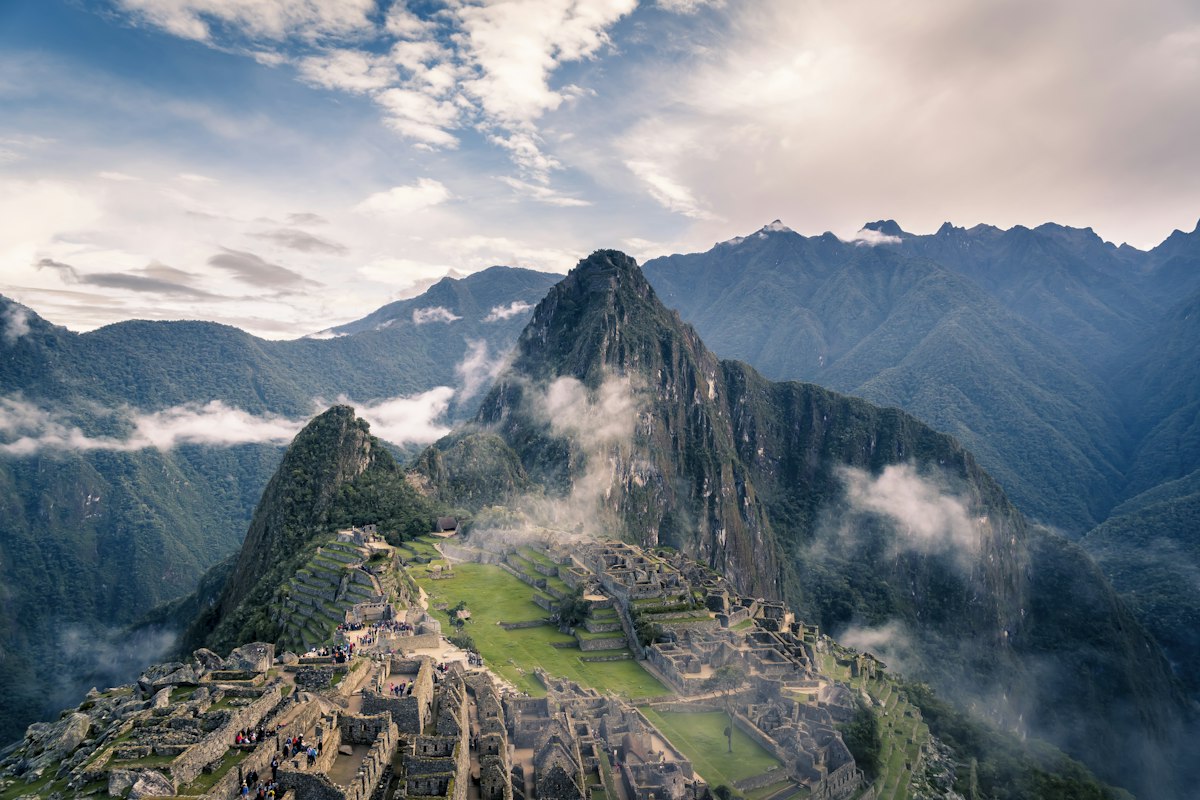
- Day 4: Early visit to Machu Picchu, which stands at 2,430 metres, before returning to Cusco.
The order of activities can shift by operator and season, but the mix of biking, rafting and hiking stays consistent. Machu Picchu itself has been a UNESCO World Heritage Site since 1983, protected within a sanctuary of 32,592 hectares, which is part of why the route ends with such a strong payoff.
The Mountain Biking Descent From Abra Malaga
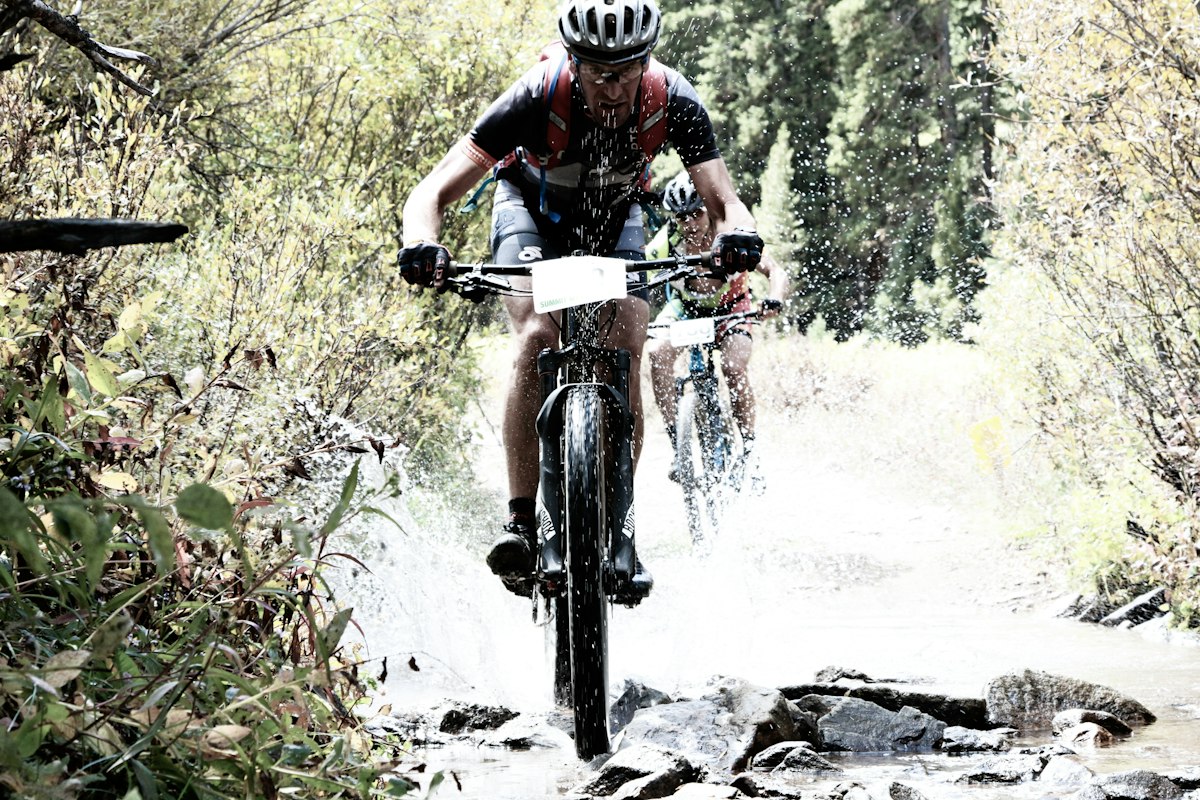
The trip opens with its most dramatic single stretch. After a morning drive from Cusco, you reach the Abra Malaga pass, which sits at 4,316 metres in the high Andes. The air is thin and cold here, and the views run across snow-dusted peaks.
From the pass you clip into a mountain bike and begin a long downhill ride on a paved and dirt road. The descent drops thousands of metres over the course of the morning, moving from stark high-altitude terrain into greener, warmer country as you approach Santa Maria. Because gravity does most of the work, the biking is accessible even to riders without much off-road experience, though the length of the descent and the sharing of the road with vehicles call for steady attention.
Good operators provide helmets, gloves, and a support vehicle that follows the group. If you prefer, you can spend part of the descent in the van rather than on the bike, which makes the day workable for mixed-ability groups.
White-Water Rafting Near Santa Maria
Once the biking ends near Santa Maria, many itineraries add an afternoon of rafting on the Urubamba River. This stretch offers rapids that range from roughly Class II to Class IV depending on the season and water level, which covers everything from gentle moving water to genuinely bouncy sections.
The rafting is guided, with certified river guides steering each boat and briefing the group on paddling and safety before launch. You wear a helmet, life jacket and wetsuit, so the activity stays manageable for first-timers during normal conditions. In the wetter months the river runs higher and faster, which raises the class rating and the excitement, so it is worth asking your operator what to expect for your travel dates.
Rafting is usually an optional add-on rather than a fixed part of the route. If you are booking with Incajungletrail, confirm whether the rafting session is included in your package or offered as an extra so the day fits your budget and appetite for whitewater.
Trekking Sections Toward Santa Teresa Hot Springs
The heart of the Inca Jungle Trek is the walking. On the second and third days you trek through cloud forest and coffee-growing country, following old trails that hug the valley above the river. The paths climb and dip rather than staying flat, so expect several hours of hiking each day with steady effort but no technical climbing.
This is where the route earns its jungle name. You pass waterfalls, plantations, and patches of dense green vegetation, and guides often point out coffee, coca, and fruit crops along the way. Some itineraries include a zipline near Santa Teresa as an optional thrill.
The reward at the end of a hiking day is the Cocalmayo hot springs, in the lower valley near Santa Teresa, with warm mineral pools that reach comfortably above body temperature. Soaking after hours on the trail is one of the trip's quiet highlights, and it sets you up for the final push toward Aguas Calientes and Machu Picchu.
Who the Trek Suits and How to Prepare
The Inca Jungle Trek suits active travelers who want variety and do not mind trading some comfort for adventure. You do not need to be an athlete, but you should be comfortable hiking for several hours a day and happy to try biking and rafting. It is a popular choice for younger travelers and small groups on a budget, since it usually costs less than the classic Inca Trail and does not depend on the tightly limited government permits that sell out months in advance.
To prepare well:
- Arrive in Cusco a few days early to acclimatize to the altitude before the trek begins.
- Build basic fitness with regular walking or hiking in the weeks beforehand.
- Pack layers for both cold high-altitude mornings and hot, humid jungle afternoons.
- Bring the essentials: quick-dry clothing, sturdy shoes, swimwear for the hot springs, sunscreen, insect repellent and a light daypack.
- Check what is included with your operator, especially the optional rafting and zipline, so there are no surprises on the trail.
Machu Picchu welcomed 1,140,714 foreign visitors in 2025, a record that pushed foreign arrivals past pre-pandemic levels, so booking your trek and your entry slot ahead of time matters more than ever.
If the mix of biking, rafting and hiking sounds like your kind of trip, the next step is to compare a few 4-day itineraries and confirm which activities are included. Reach out to a guided operator such as Incajungletrail with your travel dates and fitness level, and lock in your Machu Picchu entry early so your preferred day is available.
Frequently asked questions
How many days is the Inca Jungle Trek?
The standard version runs 4 days and 3 nights, covering the biking descent, rafting, two days of trekking and the final visit to Machu Picchu.
Do I need to be very fit for the Inca Jungle Trek?
You need reasonable fitness for several hours of hiking each day, but the biking is mostly downhill and the rafting is guided, so it is accessible to most active travelers.
Does the Inca Jungle Trek require a permit like the classic Inca Trail?
No. The route uses public roads and trails rather than the restricted Inca Trail network, so it avoids the tight government permit limits that sell out months ahead.
What should I pack for the Inca Jungle Trek?
Bring layers for hot and cold conditions, quick-dry clothing, sturdy hiking shoes, swimwear for the hot springs, sunscreen, insect repellent and a small daypack for daily gear.
Is the rafting on the Inca Jungle Trek dangerous?
Rafting is run with certified guides and safety equipment on a stretch of the Urubamba River, so risk stays manageable for beginners in normal water conditions.