


Key takeaways
- The Inca Jungle Trek trades ancient stone staircases for a downhill bike ride, jungle hiking and optional rafting, ending at Machu Picchu.
- It is the most accessible alternative route: warmer, lower and less reliant on trained legs than the classic Inca Trail.
- Food and lodging are simple but solid, and guide quality is the single biggest variable in how the trip feels.
- The hardest stretch is a hot, steep hiking day between Santa Maria and Santa Teresa, not the altitude.
- Choose it if you want adventure and variety over a pure archaeological hike, and you are comfortable on a bike.
The Inca Jungle Trek is worth it if you want variety and adventure on the way to Machu Picchu, and you are fine swapping ancient stone staircases for a bike, a river raft and some sweaty jungle hiking. This Inca Jungle Trek review is a plain account of a real four-day trip, what actually happened on each day, and the honest trade-offs most sales pages skip. If you have been scanning TripAdvisor threads trying to decide whether this route suits you, this is the walk-through to read first.
The route runs from Cusco over a high mountain pass, down into the cloud forest through Santa Maria and Santa Teresa, and finally to Machu Picchu. It mixes downhill biking, hiking, optional rafting and a soak in hot springs. Here is how each piece held up.
Inca Jungle Trek review, day by day
Day 1: The bus climb and the downhill bike
The day starts early with a van ride out of Cusco toward the Abra Malaga pass. The climb is the quiet part. You watch the landscape shift from city to open Andean grassland, and the air thins as you gain height. At the top it is cold and windy, and the guide hands out bikes, helmets and gloves.
Then the fun begins. The descent is a long paved road that drops for hours toward the jungle. You set your own pace, brake as often as you like, and a support van trails behind for anyone who wants a break. Confident riders tuck in and fly; cautious ones feather the brakes and still have a great time. It is the single most memorable morning of the trip.
By late afternoon you reach Santa Maria, a small valley town where the first night's lodging waits. The heat and humidity after the cold pass are a shock in the best way.
Day 2: Jungle hiking and the river
This is the real hiking day, and the one people underestimate. The trail from Santa Maria toward Santa Teresa follows old paths through coffee and fruit plantations, with sections that climb steeply in full sun. It is not technical, but it is hot, and water discipline matters.
Many operators, including Incajungletrail, build in an optional whitewater rafting session on this day. After hours of climbing, dropping into the river is a reward rather than a chore. The rapids are lively without being frightening, and the guides run safety briefings before you get in.
Day 3: Hot springs, zipline and the walk to Aguas Calientes
Day three is the recovery and reward day. The Cocalmayo hot springs near Santa Teresa are the highlight: clean pools fed by thermal water, perfect for legs that spent the previous day climbing. An optional zipline gives thrill-seekers one more hit of adrenaline.
From there you walk along the railway line toward Aguas Calientes, the town below Machu Picchu. The walk is flat and scenic, tracing the river with the mountains closing in overhead. You sleep in a proper hotel that night, which feels luxurious after two basic lodges.
Day 4: Machu Picchu
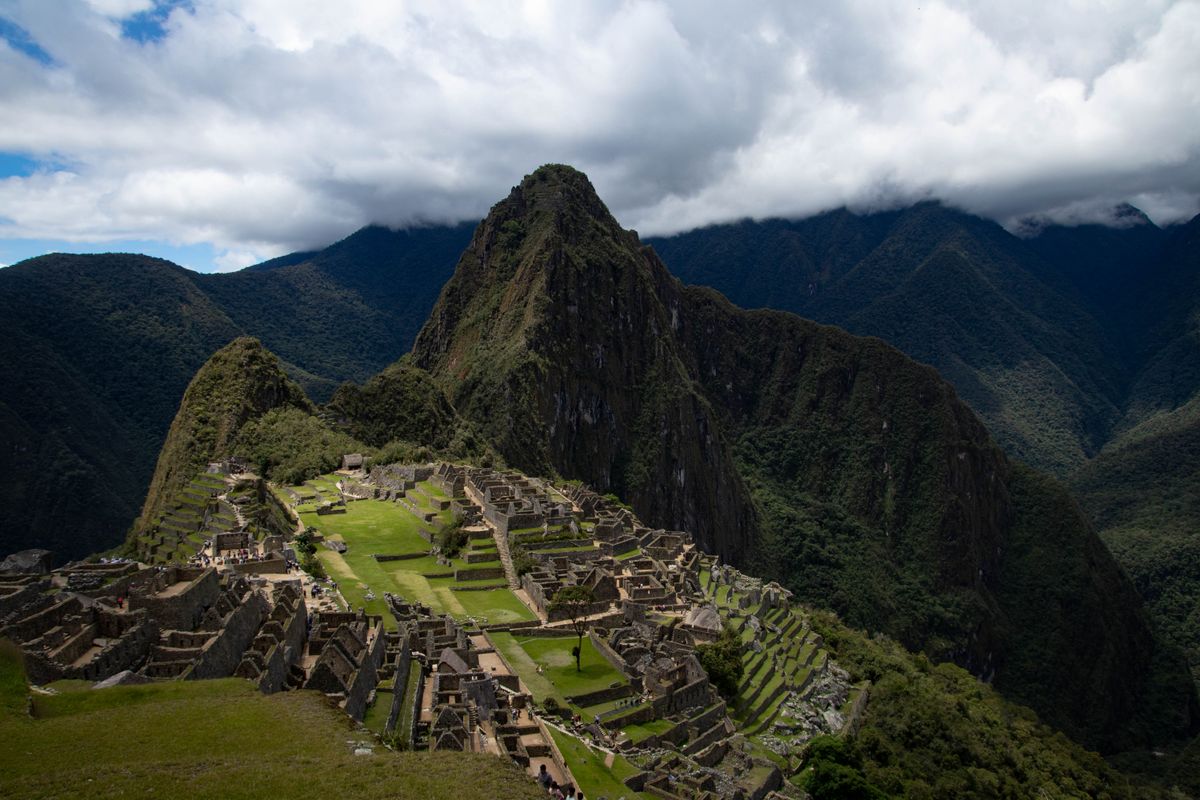
The early start is brutal and completely worth it. You either hike up the switchbacks or take the short bus, then spend the morning inside the citadel with your guide. Standing on the terraces at first light, with cloud draining out of the valleys, is the payoff the whole route builds toward. Machu Picchu is a UNESCO World Heritage site, and the crowd-control rules mean your guide moves you through on a set circuit, so a good guide makes the difference between a rushed visit and a memorable one.
The highs: biking and rafting
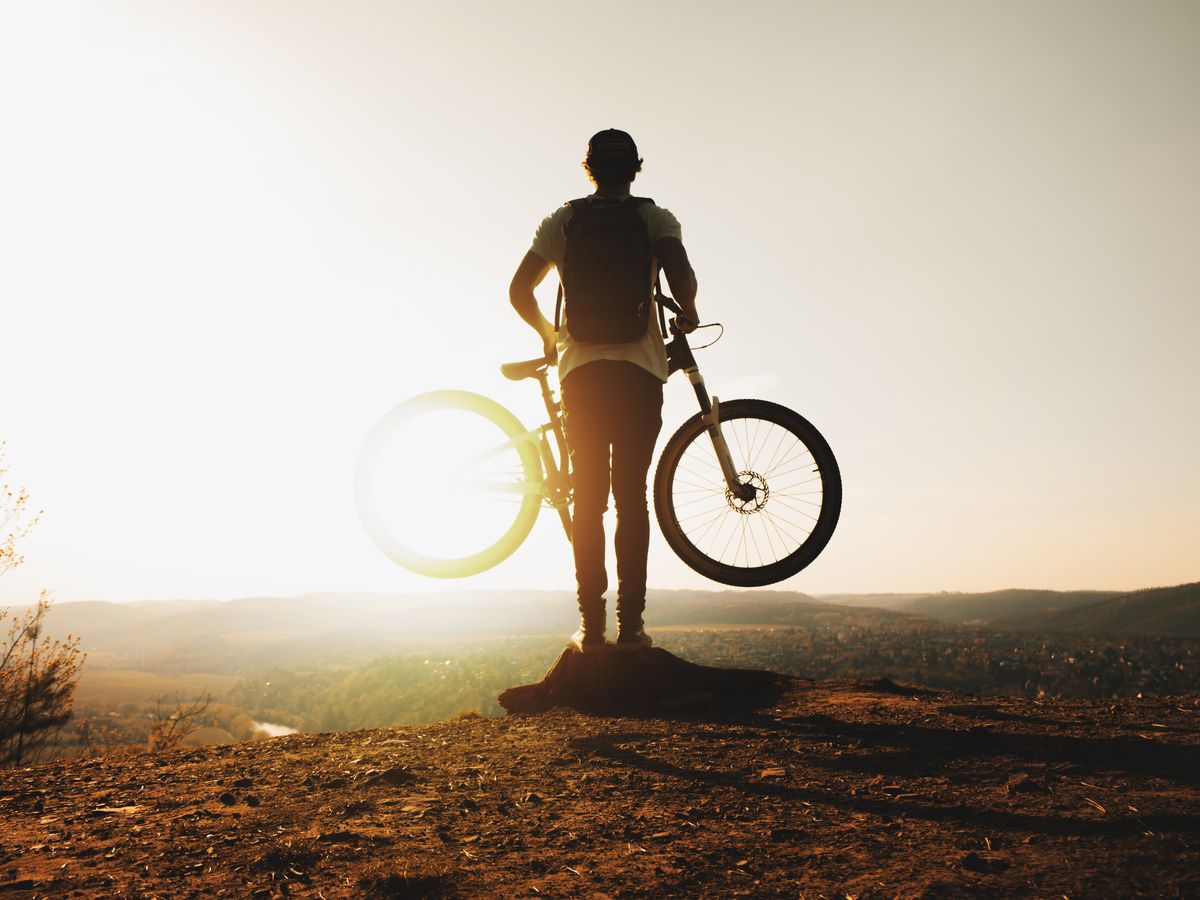
The downhill bike ride is what sells this trek, and it lives up to the hype. There is something genuinely joyful about losing a vertical kilometer of altitude under your own control, watching the ecosystem change from cold grassland to green jungle as you drop. Even people who had not been on a bike in years came off it grinning.
Rafting is the second standout. It breaks up the hardest hiking day and puts you in the water right when you want to be. If you want a fuller breakdown of how the three activities fit together, the guide to hiking, biking and rafting on the Inca Jungle Trek covers the mechanics of each.
Both activities are optional, which matters. Nervous riders can take the van, and anyone who skips rafting still has a full day. That flexibility is a quiet strength of the route.
Food, lodging and guide quality
Food on the trek is simple and generous. Expect big breakfasts, packed lunches on hiking days, and hearty dinners of soup, rice, chicken or trout, and plenty of coca tea. Vegetarians are catered for if you flag it in advance. Nobody goes hungry, and the quality was better than the price suggested.
Lodging is basic for the first two nights: clean rooms with shared or private bathrooms in family-run guesthouses in Santa Maria and Santa Teresa. The final night in Aguas Calientes is a step up to a real hotel. If you expect comfort every night, adjust your expectations; if you treat the lodges as somewhere to sleep after a long day, they are fine.
Guide quality is the biggest variable in the whole experience. A strong guide explains the history at Machu Picchu, reads the group's energy, handles the rafting and biking safety properly, and keeps the logistics invisible. A weak one turns the same itinerary into a disjointed shuttle. Read recent reviews for the specific operator you are considering, and prioritize guiding over a small price difference.
Challenges and how we handled them
The heat and the Day 2 climb. The hardest part was the hot, steep hiking between Santa Maria and Santa Teresa, well below the altitude zone. We handled it by starting early, carrying more water than felt necessary, and not racing the group.
Altitude at the top of the pass. The highest point is the Abra Malaga pass on Day 1, and you spend very little time there before descending. We arrived in Cusco two days early to acclimatize first, which made the whole trip easier. The CDC advises ascending "no greater than 500 m (1,650 ft) per night in sleeping altitude once above 3,000 m," so a couple of relaxed days in Cusco or the Sacred Valley before the trek is genuinely worth it (CDC Yellow Book, high altitude travel).
Weather and mud. Afternoon rain in the cloud forest is common. Waterproof layers and quick-dry clothing solved it. Good footwear with grip mattered more than any other gear choice.
Budgeting the extras. Some activities and the final-night hotel vary by package, so the sticker price is not always the full cost. Checking exactly what is bundled before you book avoids surprises; the breakdown in Inca Jungle Trek price and what's included is a useful reference.
Final verdict: who should go
The Inca Jungle Trek rewards travelers who want movement, variety and a bit of adrenaline over a pure archaeological hike. It is warmer and lower than the classic Inca Trail, it needs no permit lottery, and it is forgiving enough for people who are reasonably fit but not hardened trekkers. If you are comfortable on a bike and happy with basic lodging for two nights, you will probably love it.
It is a weaker fit if your main goal is walking original Inca stonework the whole way, or if simple guesthouses are a dealbreaker. Those travelers should weigh the classic route instead.
If this sounds like your kind of trip, the next step is to pin down the itinerary length and confirm which activities are included, then book early for the dry-season months when demand is highest. Start by deciding between the 3-day and 4-day versions, since that single choice shapes the pace of everything above.
Frequently asked questions
Is the Inca Jungle Trek hard?
It is moderate. The biking is downhill and the hiking days are manageable, but the Santa Maria to Santa Teresa stretch is hot and steep. Most reasonably fit travelers finish without special training.
Do you need to be a confident cyclist for the biking day?
No. The descent is on paved road at your own pace, and a support van follows. Nervous riders can brake often or ride in the van for sections.
How many days is the Inca Jungle Trek?
Most operators run it as a 3-day or 4-day trip. The 4-day version adds a slower pace and more time around Santa Teresa and Aguas Calientes.
Is the Inca Jungle Trek better than the classic Inca Trail?
They suit different travelers. The Inca Jungle Trek is more varied and accessible with no permit lottery, while the classic Inca Trail delivers more Inca ruins along the way.
One Response