


Key takeaways
- A tour from Cusco to Machu Picchu runs by scenic train in a day or two, or by a multi-day trek such as the Inca Jungle Trail across roughly four days.
- Machu Picchu sits at 2,430 meters, nearly 1,000 meters lower than Cusco at 3,399 meters, so acclimatizing in Cusco first makes arrival easier.
- Book treks and permitted trails two to six months ahead for peak season from June to August; train-based day tours allow shorter lead times.
- Buy Machu Picchu entry only through the official Ministry of Culture portal, and bring the passport that matches your ticket name.
- Budget for entry, train or trek fees, guiding, meals and Cusco nights, then add a buffer for extras like Huayna Picchu.
A tour from Cusco to Machu Picchu comes down to two choices: ride the scenic train in one or two days, or walk in over several days on a trek like the Inca Jungle Trail. Both end at the same stone citadel, so the right pick depends on your time, budget and appetite for adventure. This guide walks you through planning from Cusco, comparing routes, booking windows, permits, costs and what to expect the morning you arrive.
How Do You Plan a Tour from Cusco Step by Step?
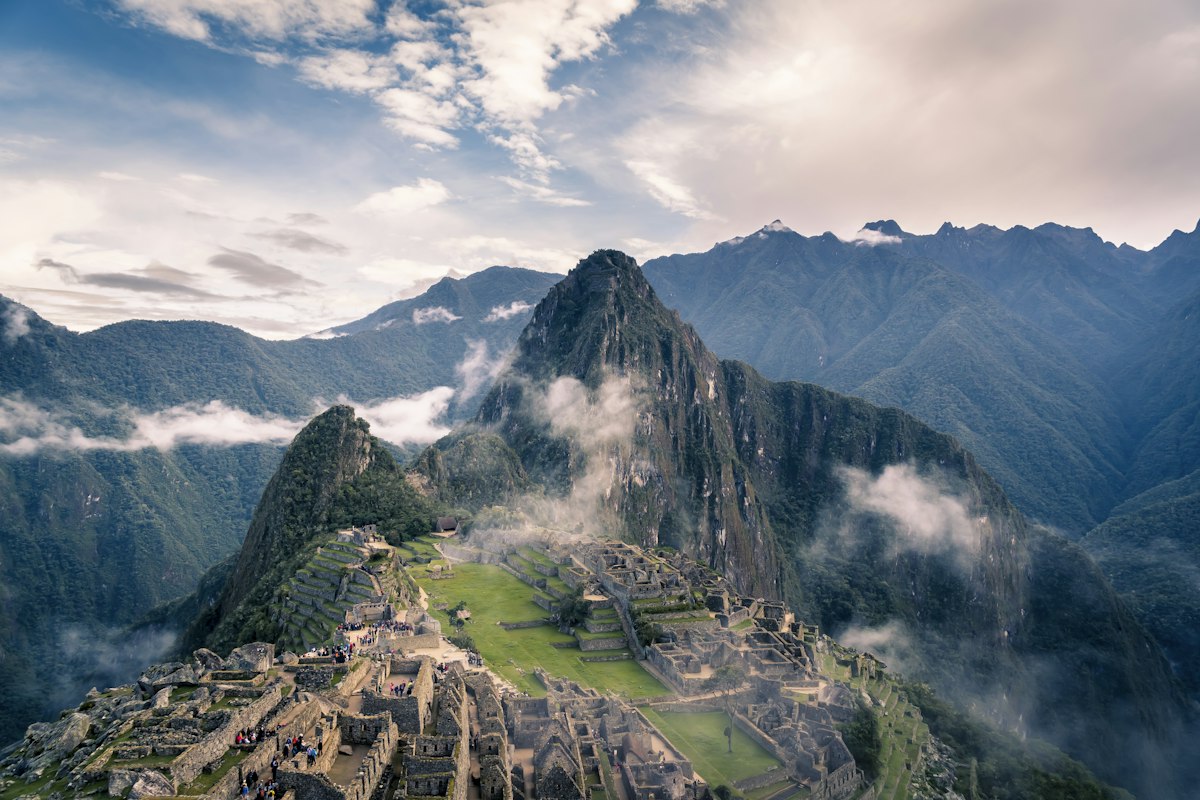
Start in Cusco and work outward. Cusco sits at roughly 3,399 meters, while Machu Picchu is lower at 2,430 meters (Wikipedia). That gap matters: spend one or two nights in Cusco first so your body adjusts before you travel.
A clean plan has five moving parts. Lock the big ones first, then fill in details.
- Pick your route: train tour or multi-day trek.
- Choose your travel dates and the number of nights in Cusco.
- Reserve your Machu Picchu entry slot and transport.
- Confirm guiding, meals and any add-on peaks.
- Pack for both cold mornings and warm, humid afternoons.
Most travelers underestimate acclimatization. Walking Cusco's streets, drinking water and easing into the altitude pays off more than any gadget. If you want a realistic sense of the trek pace before you commit, our honest Inca Jungle Trek review breaks down each day from a traveler's seat.
Sequence the bookings in the right order. Your Machu Picchu entry slot and transport are the limiting factors, so confirm those before you pay for hotels or flights. Once the slot is set, everything else fits around it: your Cusco nights, your route and any add-on climbs. Treating the entry time as the anchor keeps the plan from unraveling if a date sells out.
Should You Choose a Trek or a Train Tour?
Pick a train tour for speed and comfort, or a trek for the adventure of reaching Machu Picchu on foot. The train runs the Cusco region to Aguas Calientes in a few hours, while treks spread the journey across roughly four days of hiking and scenery.
The trade-off is simple. Trains save time and energy. Treks give you cloud forest, mountain passes and a slower reveal of the landscape. The Inca Jungle Trail adds mountain biking and optional rafting, which makes it popular with travelers who find a pure hike too one-note.
Here is how the main options stack up for a Cusco to Machu Picchu tour:
- Train day tour: one long day, minimal physical effort, highest comfort.
- Two-day train tour: a night in Aguas Calientes, early citadel entry, light pace.
- Classic Inca Trail: four days, government permit required, ends at the Sun Gate.
- Inca Jungle Trail: four days of biking, hiking and rafting, no special permit.
Who should trek? Travelers with time, reasonable fitness and a wish to earn the view. Who should take the train? Those short on days, traveling with kids, or who simply prefer a bed each night.
When Should You Book, and What Permits Do You Need?
Book early for peak season and treat permits as the hard constraint. The dry months from June to August draw the biggest crowds, and the classic Inca Trail permit carries a strict daily cap that routinely sells out months in advance.
Use these rough windows as a guide:
- Classic Inca Trail: reserve two to six months ahead; permits are capped and dated.
- Inca Jungle Trail: no special permit, so a few weeks can work outside peak months.
- Train day tours: shorter lead time, but timed entry slots still sell out in high season.
- Huayna Picchu add-on: book well ahead, since this climb has its own limited slots.
Entry tickets for Machu Picchu come only from the Peruvian Ministry of Culture portal at tuboleto.cultura.pe. Entry runs on timed slots with a short grace period, and your passport name must match the ticket exactly. Because coordinating the entry slot with train times and guiding is fiddly, many travelers let an operator like Incajungletrail handle the booking chain so the pieces line up.
How Much Should You Budget for the Full Trip?
Budget for entry, transport, guiding, meals and your Cusco nights, then add a buffer. Costs swing widely based on route and comfort level, so think in categories rather than a single number. A trek bundles most costs into one package price, while a train tour splits them into separate tickets.
Plan around these line items for a Cusco to Machu Picchu tour:
- Machu Picchu entry ticket, bought through the official portal.
- Round-trip transport: train tickets, or trek logistics and transfers.
- Guiding and park fees, usually included in trek packages.
- Meals and water across your travel days.
- Cusco accommodation for acclimatization nights before you go.
- A buffer for add-ons like Huayna Picchu, souvenirs and tips.
A frequent mistake is budgeting only for the citadel ticket and forgetting the bus from Aguas Calientes up to the entrance, plus meals in a town where prices run higher than Cusco. Build those in from the start. Packaged treks reduce surprises because one price covers transport, guiding and most meals.
Comfort level is the biggest cost lever. A budget train tour with basic seats and shared lodging sits at the low end, while a private guide, upgraded train class and better hotels push the total up quickly. Treks land in the middle for most travelers: the package absorbs transport and food, and you trade some comfort for the experience of the route. Decide your comfort tier early, because it shapes every other line item.
What Should You Expect on Arrival at Machu Picchu?
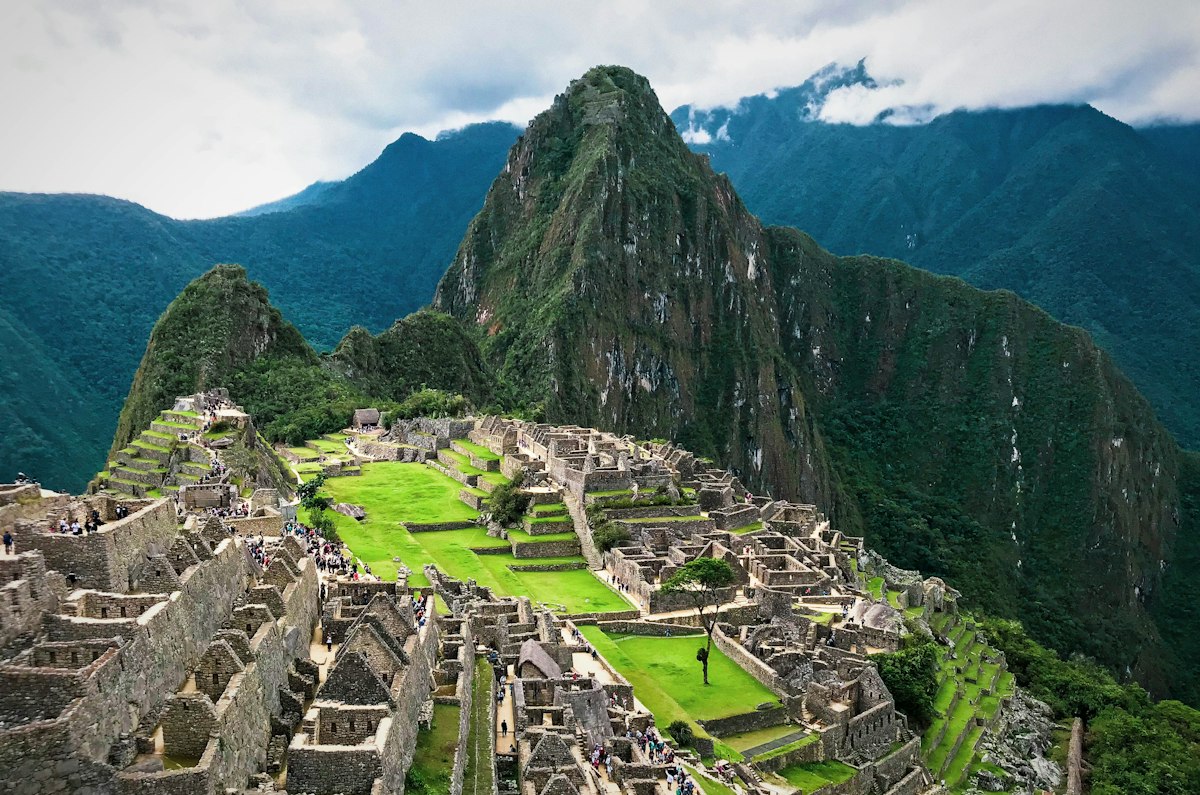
Expect timed entry, a set circuit and a climate shift from Cusco. The citadel sits lower and warmer than the city, so mornings can be cool and misty while afternoons turn humid. Arrive early for softer light and thinner crowds at the classic viewpoints.
A few practical habits make the visit smoother:
- Carry your passport; it must match the name on your ticket.
- Follow the circuit printed on your ticket, since routes are one-way.
- Travel light: large backpacks, tripods and food are restricted inside.
- Bring a rain layer and sun protection; weather turns quickly here.
- Use the restrooms before entry, as there are none inside the site.
Nearby peaks reward the energetic. Waynapicchu, the surveillance peak above the ruins, rises to 2,720 meters (Peru.travel), and its climb needs a separate timed ticket booked in advance. If you only have a single day on the ground, plan your entry slot and photo stops before you arrive so you spend time looking, not deciding.
Once your route is set, the cleanest next step is to confirm your dates and Machu Picchu entry slot so permits and train seats are locked before peak season fills. From there, match a tour format to those dates and let your operator sequence the bookings.
Frequently asked questions
How many days do I need for a tour from Cusco to Machu Picchu?
A train-based tour works in one long day or a relaxed two days with a night in Aguas Calientes. A trek such as the Inca Jungle Trail usually takes four days and adds biking, rafting and hiking.
Is Machu Picchu higher than Cusco?
No. Machu Picchu sits at 2,430 meters while Cusco is near 3,399 meters. You descend almost 1,000 meters, so travelers who acclimatize in Cusco first often feel better at the citadel.
How far in advance should I book?
For peak months from June to August, reserve treks and permitted trails two to six months early. Train day tours need less lead time, but same-week entry slots can sell out in high season.
Where do I buy official Machu Picchu tickets?
Entry tickets come from the Peruvian Ministry of Culture portal at tuboleto.cultura.pe. Many travelers let their tour operator secure the timed slot alongside train or trek logistics.
Do I need a permit for the trek?
The classic Inca Trail requires a government permit with a strict daily cap, booked months ahead. Alternative routes like the Inca Jungle Trail do not need that permit, which makes last-minute planning easier.