



Key takeaways
- Inca Jungle Trek groups leave Cusco almost daily in high season and usually set off early in the morning by road toward Santa Maria.
- Book your Machu Picchu entry ticket as early as possible, because peak-season days are capped at 5,600 visitors and sell out in advance.
- Standard group sizes run about 8 to 14 trekkers; ask the operator for the cap before you pay.
- Vet operators on their guide ratios, safety gear for biking and rafting, and whether the entry ticket and train return are included.
- Pay a deposit to hold your date, then settle the balance in Cusco once you have confirmed the itinerary in person.
Inca Jungle Trek groups leave Cusco almost every morning in high season, usually between 6 and 7 a.m. by road toward Santa Maria. If you are ready to book, the two things that matter most are locking in your departure date and securing a Machu Picchu entry ticket before your preferred day sells out. This guide walks you through where and when treks depart, how group sizes and frequency work, what to arrange before you fly in, how to judge an operator, and the booking and payment steps that keep you out of trouble.
The Inca Jungle Trek Cusco route is the adventurous alternative to the classic Inca Trail. Instead of four days of continuous hiking, it blends downhill mountain biking, optional rafting, and hiking through the cloud forest between Santa Maria and Santa Teresa before you reach Aguas Calientes and Machu Picchu. That mix is why it draws travelers who want movement and variety rather than a single walking route.
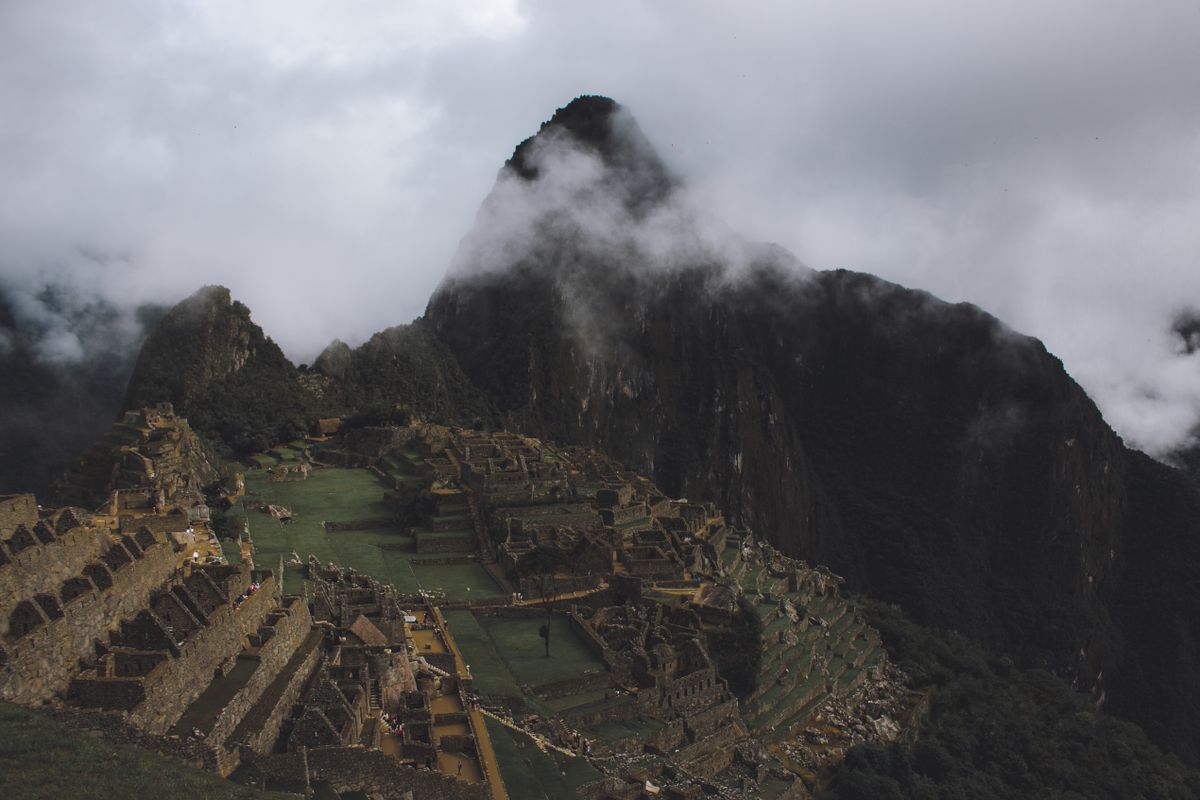
Where and When the Inca Jungle Trek Cusco Departures Begin
Nearly every Inca Jungle Trek Cusco departure starts the same way. A guide or driver collects you from your hotel or a central pickup point in the historic center, early in the morning. From there a private van climbs over the Abra Málaga pass and drops down to the biking start point near Santa Maria, a drive of roughly three to four hours depending on road conditions.
Timing matters for a few reasons:
- Early starts are standard. Expect a pickup around 6 to 7 a.m. so the group reaches the biking section while the mountain roads are quiet and the light is good.
- Season shapes the experience. The dry season, roughly May through September, brings clearer trails and better biking conditions. The wet months can still be run, but rafting and road conditions vary.
- Your Machu Picchu day is fixed in advance. Your trek date is tied to the entry ticket and the train slot booked for your final morning, so the whole itinerary is built backward from the day you enter the citadel.
Because the schedule is anchored to your Machu Picchu entry time, the departure date is not fully flexible once tickets are issued. That is the main reason to settle your dates early rather than hoping to improvise on arrival.
Group Sizes and Departure Frequency
Most companies run the Inca Jungle Trek as a shared small-group experience, which keeps the price reasonable and adds a social element to the trip.
Typical patterns look like this:
- Group size: usually 8 to 14 trekkers per departure. Some operators cap at a smaller number for a more guided feel, while budget-focused companies push toward the upper end.
- High-season frequency: daily departures are common from May through September, when demand is highest.
- Low-season frequency: departures may drop to a few set days a week, or operators combine individual bookings into one van to reach a workable group size.
- Private options: if you want a fixed small party or a custom pace, most operators will arrange a private departure for an added cost.
Ask the operator directly how many people are already booked on your date and what the maximum cap is. A group of 10 with one guide is a very different experience from a group of 16 with the same single guide, especially on the biking day when spacing and supervision matter.
What to Arrange Before You Arrive
A few things are far easier to sort out before you land in Cusco than after.
Acclimatize to the altitude first
Cusco sits well above Machu Picchu, so the city itself is where most travelers feel the altitude. Plan at least two nights in Cusco or the Sacred Valley before your trek so your body adjusts. Light activity, plenty of water, and easing off alcohol in those first days all help. The trek drops to lower, warmer elevations once the biking begins, which many people find more comfortable than Cusco.
Secure your Machu Picchu entry ticket
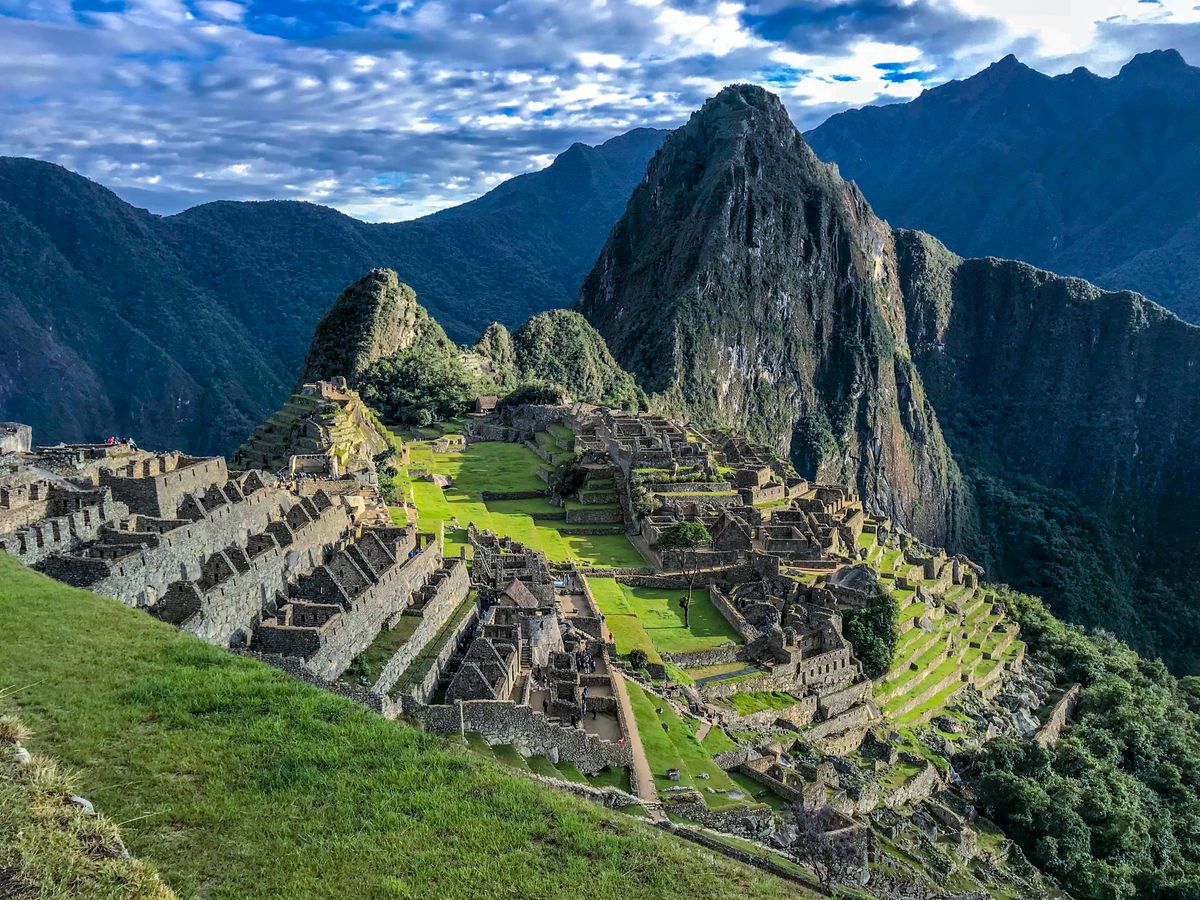
Entry to Machu Picchu is limited by a daily visitor cap, and peak-season days fill well ahead of time. For 2026, the Ministry of Culture set peak-season capacity at 5,600 visitors per day across the main dates, including June 19 to November 2, according to reporting on the official capacity rules for 2026. Your operator normally handles the ticket as part of the package, but confirm which circuit and entry time you are booked onto, because the circuits differ in what you see.
Sort your gear and documents
- A valid passport, used both for the entry ticket and for the train.
- A small daypack with rain protection, sun protection, insect repellent, and a refillable water bottle.
- Clothing layers, since you move from high mountain air to humid cloud forest in a single day.
- Travel insurance that covers adventure activities, given the biking and rafting elements.
If you are weighing this route against other options from Cusco, compare the walking-only classic route with this mixed adventure option before you commit a date.
How to Choose a Reputable Operator
The question behind "best company for Inca Jungle Trek" is really about trust: who will keep you safe, tell you the truth about the itinerary, and actually deliver what you paid for. Use these checks.
- Guide ratios and English. Confirm how many guides travel with the group and whether at least one speaks fluent English if that matters to you.
- Safety gear for biking and rafting. Ask specifically about helmet condition, bike maintenance, brakes, and the support vehicle that follows the biking section. For rafting, confirm life jackets and a qualified river guide.
- What is actually included. Pin down whether the entry ticket, the train return, meals, and the Aguas Calientes hotel night are in the price or billed as extras.
- Clear written itinerary. A reputable operator sends a day-by-day plan with distances, elevations, and what to expect, not a vague outline.
- Real reviews. Read recent reviews that mention the biking day and the guide by experience, not just star counts. Incajungletrail publishes its route details and run schedule openly, which makes it easier to match a departure to your travel dates.
Price is part of the decision, but the cheapest option often trims the parts you cannot see, such as guide numbers or bike quality. Our breakdown of the Inca Jungle Trek price and what is included helps you tell a fair quote from a corner-cutting one.
Booking Steps and Payment Tips
Once you have chosen an operator and a date, the booking itself is straightforward. Here is a sensible order of operations.
- Confirm your Machu Picchu date and circuit. Everything else is scheduled around the day and time you enter the citadel, so agree on this first.
- Reserve the trek and request written confirmation. Get the departure date, group size cap, inclusions, and meeting details in writing.
- Pay a deposit to hold the date. A deposit secures your spot and the entry ticket. Avoid paying the full amount by untraceable methods before you have a confirmation.
- Settle the balance in Cusco. Many operators let you pay the remainder in person, often in cash, which avoids card surcharges. This also gives you a face-to-face briefing before you leave.
- Keep copies of everything. Save your passport scan, the entry ticket, train tickets, and the operator's contact for the morning of departure.
On payment safety, favor operators who accept a traceable deposit and give a receipt, confirm the refund and reschedule policy in writing, and never pressure you to wire a large sum to a personal account. You can also buy a Machu Picchu entry ticket yourself through the Peru Ministry of Culture's official ticket portal at tuboleto.cultura.pe if you want to verify availability for your date independently.
Your next step is simple: pick a firm Machu Picchu date within the dry season, check an operator's departure calendar against it, and place a deposit to lock the slot before the daily cap closes it. Securing the date is what turns a tentative plan into a confirmed trip.
Frequently asked questions
Where does the Inca Jungle Trek depart from in Cusco?
Most operators pick you up from your Cusco hotel or a central meeting point in the early morning, then drive by private van toward Santa Maria where the biking begins.
How often do Inca Jungle Trek groups leave Cusco?
In high season many operators run daily departures. In the quieter months departures may run a few times a week or combine smaller groups to fill a van.
Do I need to book before I arrive in Cusco?
You should book the trek and your Machu Picchu entry ticket in advance. Entry tickets are capped per day and peak dates sell out, so reserving early is the safest move.
What is a typical group size on the Inca Jungle Trek?
Groups usually run between 8 and 14 people. Smaller groups give you more attention from the guide, so ask for the maximum cap before booking.
Can I pay the balance in Cusco?
Many operators take a deposit online to hold your date and let you pay the remainder in person in Cusco, often in cash to avoid card surcharges.
One Response