




Key takeaways
- The Classic Inca Trail is capped at 500 people per day, and only about 200 of those are trekkers, so permits sell out months ahead for peak dates.
- You cannot buy an Inca Trail permit yourself. A licensed operator must book it against your passport, which is why choosing the tour comes first.
- The Classic Inca Trail closes every February for maintenance, so plan around a full month of no departures.
- If permits are gone, the Inca Jungle Trail and Salkantay reach Machu Picchu without a route permit and can often be booked on shorter notice.
If you want to hike the Classic Inca Trail to Machu Picchu, start with the permit, not the dates. Only 500 people per day are allowed on the trail, and roughly 200 of those spots go to trekkers, which is why reputable Inca Trail tours to Machu Picchu book out months in advance for the popular season.
That single number drives almost every planning decision you will make. This guide explains how permits actually work, when to book, what a tour operator handles for you, what you pay for, and what to do when the dates you want are already gone.
How Do Inca Trail Tours to Machu Picchu Handle Permits?
Permits for the Classic Inca Trail are capped at 500 people per day, counting trekkers, guides, porters, and cooks together, with roughly 200 of those spots reserved for travelers (University of Miami Inter-American Law Review, 2025). Permits are non-transferable and linked to your passport.
You cannot buy one directly. Since 2001, Peru has required that every Inca Trail permit be purchased through a government-licensed operator, which is the core reason comparing Inca Trail tours to Machu Picchu matters more than hunting for a ticket. The operator reserves your slot using your exact passport details, so any name or number change later can void it.
Give your operator a passport that will stay valid through your travel dates. If you renew your passport after booking, tell them immediately so they can update the record before you arrive in Cusco.
When Should You Book for Popular Dates?
Book five to seven months ahead for any departure between June and October. Those months fall inside Machu Picchu's peak season, when the citadel's daily cap rises to 5,600 visitors and permit demand follows the same curve (Voyagers Travel, 2026).
The tightest window is the dry season. For June, July, and August dates, trekker permits can disappear within days of release. Shoulder months like April, May, and September ease the pressure, and the rainy months from November to March are usually bookable a few weeks out.
The citadel's peak-season calendar is a useful proxy for trail demand. Per the Ministry of Culture resolution reported above, the 5,600-visitor cap applies to specific 2026 peak dates: January 1, April 2 to 5, June 19 through November 2, and December 30 to 31. If your target date falls inside that long June-to-November block, treat it as a sellout risk and book early rather than hoping a slot opens.
One date you cannot book at all: the Classic Inca Trail closes for the entire month of February for maintenance and reopens March 1. If February is your only option, you will be choosing an alternative route from the start rather than waiting on a permit that will never release.
For a fuller look at seasons and conditions along the way, a day-by-day route guide breaks down what each stage of the trek involves before you commit to a date.
What Does a Tour Operator Handle for You?
A licensed operator does far more than hold your permit. On the Classic Inca Trail, independent travel is not permitted, so the operator is your guide, logistics team, and compliance manager rolled into one. That structure is set by the same regulations that require passport-linked permits, as the University of Miami Inter-American Law Review documented in its 2025 review of Peru's access rules.
In practice, a good operator covers:
- Permit reservation and registration against your passport
- Licensed, English-speaking guides for the full route
- Porters and cooks, camping gear, and tents
- All meals on the trail, plus the train and bus connections around it
- Entrance to the citadel and the checkpoint paperwork
Quality varies widely between companies, especially on porter welfare and group size. When you compare Inca Trail tours to Machu Picchu, ask directly about maximum group size, porter weight limits, and guide ratios. At Incajungletrail, we keep groups small and brief travelers on exactly what is carried for them versus what they pack themselves, so there are no surprises at the first checkpoint.
If you want a private pace rather than a shared departure, ask whether the operator runs custom trips, since a private Inca Trail tour changes group size, guide attention, and often the daily schedule.
What Do Costs and Inclusions Actually Cover?
Most of your Inca Trail tour cost pays for mandatory, fixed elements rather than optional extras. The permit, the citadel entrance ticket, licensed guides, and the porter team are required by law or by the logistics of a camping trek, so price differences between operators usually reflect group size, gear quality, and staff treatment.
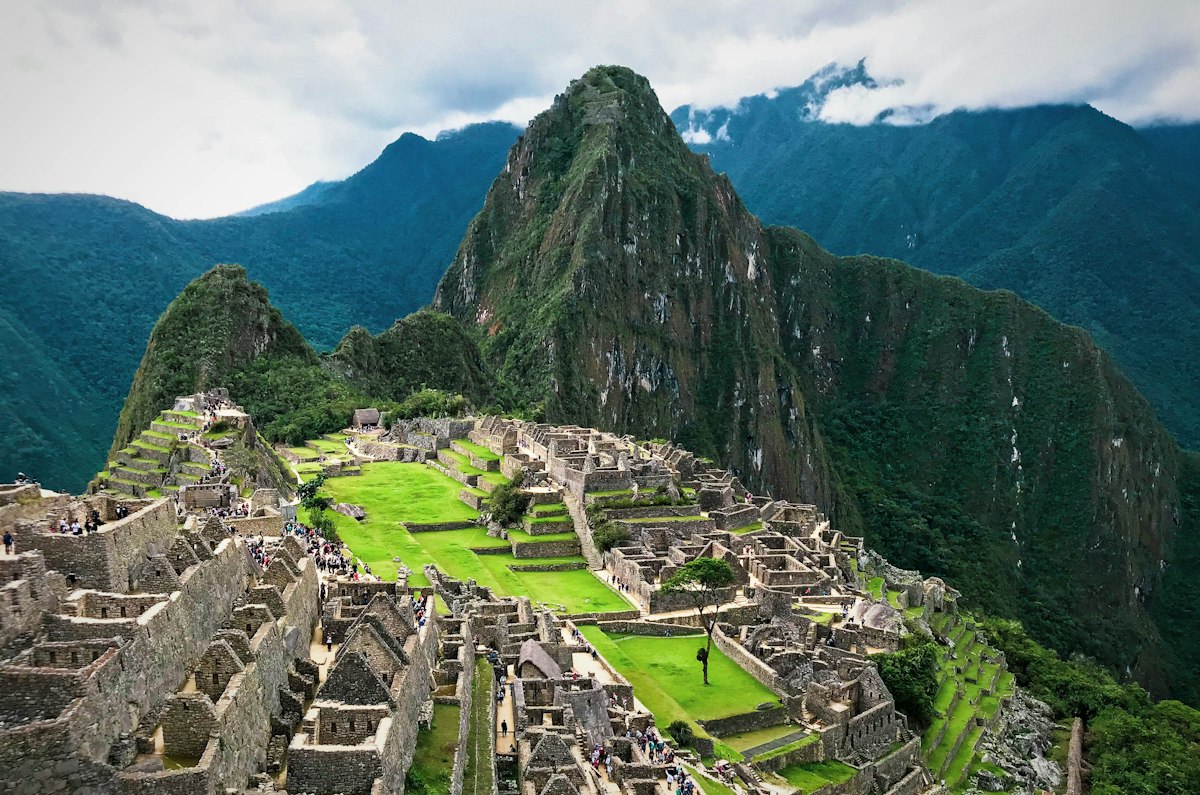
A typical Classic Inca Trail package includes the permit, entrance ticket, transport from Cusco to the trailhead, guiding, camping equipment, meals, and the return train and bus. Common add-ons that are not always bundled include sleeping bags, trekking poles, a single-supplement tent, and tips for the crew.
Read the inclusions line by line before you compare prices. A cheaper quote that excludes the sleeping bag, the entrance ticket, or the return train is not actually cheaper. The same line-item approach works for pricing a jungle-route trek, where biking and rafting add gear costs that a standard package may or may not bundle.
What Are the Alternatives When Permits Are Gone?
Two routes reach Machu Picchu without a route permit at all: the Salkantay Trek and the Inca Jungle Trail. Neither sits under the 500-person daily cap that governs the Classic Inca Trail, and both need only the standard Machu Picchu entrance ticket rather than a passport-linked trail permit. That single difference is why these treks can often be booked weeks ahead instead of months.
The Inca Jungle Trail trades the sold-out Classic route for a mix of downhill biking, hiking, and optional rafting, finishing at Machu Picchu through Santa Maria and Santa Teresa. It suits travelers who decided late, want more adventure variety, or simply could not get a Classic permit for their dates. Because it does not rely on the 500-person daily cap, availability is far less of a bottleneck.
The trade-off is a different kind of trek, not a lesser one. You skip the Sun Gate arrival that defines the final morning of the Classic route, but you gain a lower-altitude, more varied few days and a booking window measured in weeks rather than months. For travelers whose calendar is fixed and whose Classic permit fell through, that flexibility is usually the deciding factor.
Both options still need the citadel entrance ticket, which carries its own daily visitor limit of 4,500 on regular days. If the Classic Inca Trail is closed or booked, the Inca Jungle Trail is the route we most often steer travelers toward, and our alternative route overview walks through how it compares.
Lock In the Route Before You Lock In the Date
The practical order of operations is the opposite of what most travelers expect. Pick your operator and route first, confirm permit availability for your target window, then build flights and hotels around the dates you can actually secure. For peak-season Classic Inca Trail dates, send your passport details to a licensed operator as soon as you have them, and if those spots are gone, book the Inca Jungle Trail for the same stretch instead of forcing a date that no longer exists.
Frequently asked questions
Can I buy an Inca Trail permit on my own?
No. Permits for the Classic Inca Trail are sold only through government-licensed operators and are tied to your passport. You book a tour, and the operator secures the permit on your behalf.
How far in advance should I book an Inca Trail tour?
For June through October departures, book five to seven months ahead. Peak dates can sell out within days of permits releasing. Shoulder-season months give you more flexibility.
What happens to the Inca Trail in February?
The Classic Inca Trail closes for the entire month of February for maintenance and reopens March 1. Machu Picchu itself stays open, so alternative treks and train trips still run.
What are the best alternatives when Inca Trail permits are sold out?
The Inca Jungle Trail and the Salkantay Trek both reach Machu Picchu without a route permit. They only require a citadel entrance ticket, so they can often be booked weeks rather than months ahead.