



Key takeaways
- A jungle trek to Machu Picchu reaches the same citadel as the classic Inca Trail but adds mountain biking, rafting and cloud forest hiking along the way.
- The Inca Jungle route does not require the scarce government trekking permit that the classic Inca Trail sells out months ahead.
- The classic Inca Trail closes every February for maintenance, while the jungle route stays open year round.
- Most jungle treks run three or four days, descending from high Andean passes into warm cloud forest before the final approach to Machu Picchu.
- A guided operator such as Incajungletrail handles bikes, rafts, lodging and entrance tickets so you can focus on the trail.
The jungle trek to Machu Picchu is a multi-day adventure route from Cusco that mixes mountain biking, river rafting and cloud forest hiking instead of following the single footpath of the classic Inca Trail. It reaches the same ancient citadel, skips the hard-to-get government trekking permit, and trades crowds for a quieter, more varied journey through the eastern slopes of the Andes.
For travelers who want to earn their first view of Machu Picchu but find the classic trail fully booked or too strenuous, this route is a practical answer. It runs through the villages of Santa Maria and Santa Teresa, drops into warm valleys, and finishes with the walk up to the ruins that everyone comes to Peru to see.
Why Is the Jungle Trek a Great Alternative?
The jungle trek works as an alternative because it delivers the same destination without the two biggest frustrations of the classic Inca Trail: limited permits and a hiking-only format. The classic trail caps the number of people allowed on it each day and sells out far in advance, and it closes every February for maintenance. The jungle route sidesteps both problems.
Access is the clearest advantage. The classic Inca Trail requires a government-issued trekking permit that is strictly limited and routinely booked months ahead. The Inca Jungle route follows public roads, rivers and village paths, so it needs no such permit. You can often book it on shorter notice, which matters if your travel dates are fixed.
Variety is the second advantage. Rather than walking the whole way, you spend the first day coasting downhill on a mountain bike, later paddle a river section, and hike the stretches where the scenery rewards walking most. If you want the day-by-day breakdown, our Inca Jungle Trek 4 Days: Day-by-Day Plan lays out each stage.
What Is the Cloud Forest and Jungle Scenery Like?
The scenery is the reason the route carries the word jungle. As you descend from the high passes above Cusco, the dry Andean grassland gives way to a humid cloud forest thick with ferns, orchids, bromeliads and birdsong. The temperature rises, the air softens, and the landscape feels closer to the Amazon basin than to the stone plazas of the highlands.
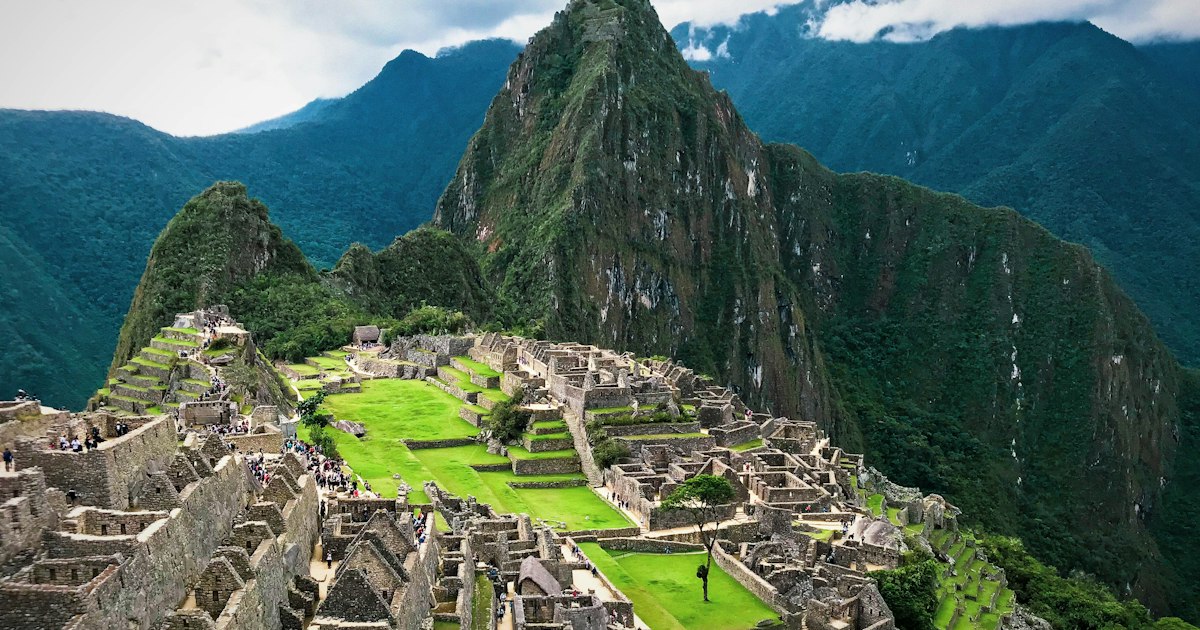
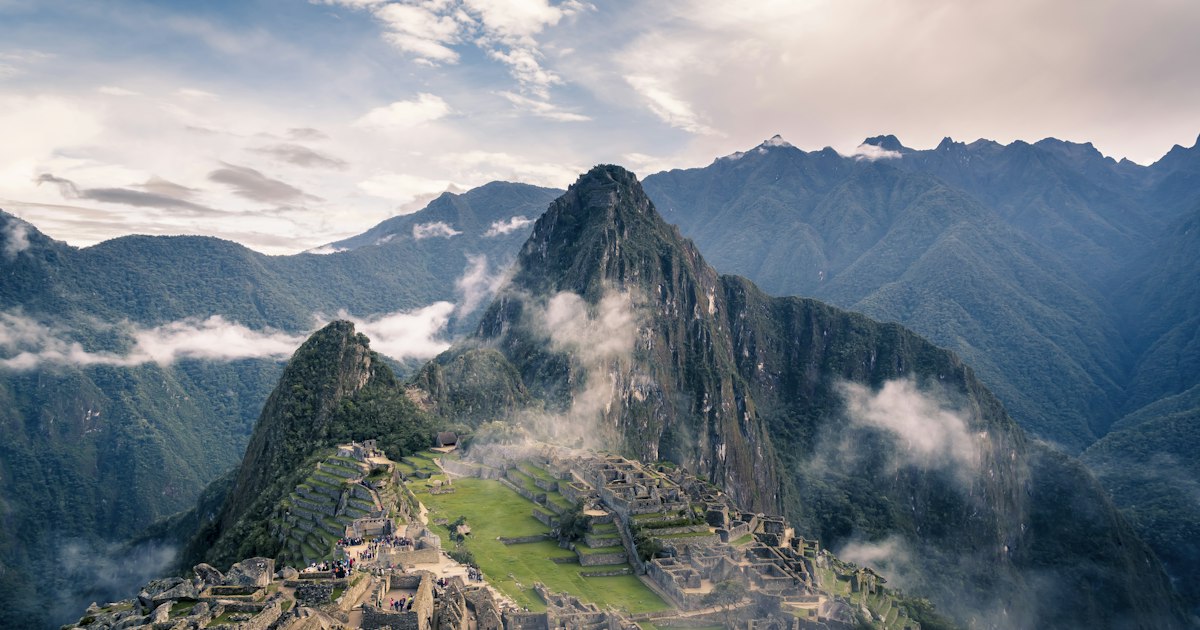
This transition is part of what makes Machu Picchu's setting so distinctive. The citadel sits on a forested ridge where the Andes meet the upper edge of the rainforest, surrounded by steep green peaks that are often wrapped in mist. The jungle approach lets you experience that ecological shift on foot and by bike, rather than seeing it only from a train window.
Along the way you pass coffee and fruit plantations near Santa Maria, cross footbridges over fast rivers, and walk sections of original Inca pathway that wind through the trees. Wildlife is part of the draw too, from hummingbirds and tanagers to the occasional sighting of the cock-of-the-rock, Peru's national bird.
Which Activities Set the Jungle Trek Apart?
The activities are what separate a jungle trek from a straight hike: a typical itinerary combines downhill mountain biking, white-water rafting, cloud forest trekking, and often zip-lining and natural hot springs. No other route to Machu Picchu packs this range of adventure into a single trip.
The trip usually opens with a long descent by mountain bike from a high pass, dropping thousands of feet on paved and dirt road toward Santa Maria. Rafting on a nearby river follows, giving a cooler, faster counterpoint to the biking before the serious walking begins.
The middle days focus on trekking through the cloud forest toward Santa Teresa, where many travelers soak in the Cocalmayo hot springs. Zip-line circuits are a common optional add-on. For a fuller explanation of how each activity fits together, see Inca Jungle Trek: Hiking, Biking & Rafting Explained.
A Note on Fitness
You do not need to be an athlete, but you should be comfortable with several hours of activity a day. The biking is mostly downhill and gravity assisted, while the hiking stretches ask for steady legs on uneven ground. Because much of the route sits lower than the classic trail, the strain of sustained high altitude is reduced.
How Does It Compare With the Classic Inca Trail?
The jungle trek and the classic Inca Trail reach the same place by very different means. The classic trail is a continuous, permit-controlled footpath that crosses high passes and ends at the Sun Gate above Machu Picchu. The jungle route is a mixed-activity journey through lower, warmer terrain that approaches the citadel from Aguas Calientes.
Here is how the two routes line up on the points that usually decide the choice.
| Factor | Inca Jungle Trek | Classic Inca Trail |
|---|---|---|
| Permit needed | No trekking permit | Strict daily cap, books out early |
| Activities | Bike, raft, hike, zip-line | Hiking only |
| Altitude profile | More time in warm, lower terrain | Sustained high passes |
| Final approach | Via Aguas Calientes | Via the Sun Gate |
| February availability | Open | Closed for maintenance |
Neither route is objectively better; they suit different travelers. If you value the historical continuity of walking an ancient stone path to the Sun Gate, the classic trail is hard to beat. If you want variety, flexibility and warmer scenery, the jungle route wins. Our full breakdown in Inca Trail vs Jungle Trek: Comparing Two Routes digs into the trade-offs.
How Do You Book and Prepare for the Jungle Trek?
Preparation starts with two decisions: trip length and operator. Most jungle treks run three or four days. The three-day version moves quickly and suits tight schedules, while the four-day plan spreads the activities out and adds breathing room near Santa Teresa and Aguas Calientes before the Machu Picchu visit.
A guided operator handles the logistics that are awkward to arrange alone: mountain bikes and safety gear, a rafting guide, village lodging, meals, transport back from Aguas Calientes, and the Machu Picchu entrance ticket itself. Incajungletrail builds all of this into a single booking, which removes the guesswork of coordinating separate suppliers across several towns.
What to Pack
Pack for two climates. Mornings on the high passes are cold, while afternoons in the cloud forest are warm and humid, so layers matter more than any single heavy item. Bring the following at a minimum:
- A waterproof rain jacket and a warm mid-layer
- Broken-in hiking shoes or boots with grip
- Insect repellent and high-factor sunscreen
- A swimsuit for the hot springs
- A refillable water bottle and a small daypack
Timing Your Trip
The dry season from roughly May to September gives the most dependable trail and river conditions. The wetter months bring greener scenery but more mud and higher rivers. One practical point: because the classic Inca Trail closes every February, the jungle route is a reliable way to reach Machu Picchu on foot during that month.
Making the Most of Your Arrival
Give yourself a full day at Machu Picchu rather than a rushed morning. After days of biking, rafting and climbing through the cloud forest, the citadel rewards unhurried time: walk the terraces, trace the stonework, and let the setting sink in before the train back to Cusco.
The concrete next step is simple. Decide whether a three-day or four-day format fits your schedule, pick your travel month with the dry season and the February closure in mind, then reserve a guided jungle trek that bundles the bikes, rafts, lodging and entrance ticket into one trip. That single decision turns a complicated multi-town logistics puzzle into a straightforward adventure to Machu Picchu.
Frequently asked questions
Do I need a permit for the jungle trek to Machu Picchu?
No. The Inca Jungle route uses public roads, rivers and footpaths rather than the regulated classic Inca Trail, so it does not require the scarce trekking permit. You still need a Machu Picchu entrance ticket, which your operator usually books for you.
How many days does the jungle trek take?
Most jungle treks run three or four days. The three-day version is faster paced, while the four-day plan spreads the biking, rafting and hiking out and adds extra time near Santa Teresa and Aguas Calientes before visiting Machu Picchu.
Is the jungle trek harder than the classic Inca Trail?
It is different rather than strictly harder. The jungle route starts with a long downhill bike ride and spends more time at lower, warmer elevations, so the sustained high-altitude hiking of the classic trail is reduced. Daily hikes still demand reasonable fitness.
What is the best time of year for the jungle trek?
The dry season from roughly May to September offers the most reliable trail and rafting conditions. The route runs year round, which is useful in February when the classic Inca Trail closes for maintenance.
What should I pack for the Inca Jungle Trek?
Layered clothing covers cold mountain mornings and humid afternoons. Bring a rain jacket, sturdy footwear, insect repellent, sunscreen, a swimsuit for the hot springs, and a small daypack. Your operator provides bikes, rafting gear and safety equipment.
3 Responses