



Key takeaways
- The 3-day, 2-night Inca Jungle Trek compresses downhill biking, optional rafting and jungle hiking into a single run from Cusco to Machu Picchu.
- Day 1 is a long mountain-bike descent from the Abra Malaga pass; Day 2 hikes to Santa Teresa and the Cocalmayo hot springs; Day 3 reaches Machu Picchu.
- The route suits active travelers on a tight schedule who want adventure without the four-day commitment of the classic Inca Trail.
- Book your Machu Picchu entry early, since daily visitor numbers are capped and peak dates sell out fast.
The Inca Jungle Trek 3 days route takes you from Cusco to Machu Picchu by bike, raft and foot in a single compressed run. You trade a slower multi-day pace for three full days that still cover the Abra Malaga descent, the jungle trail through Santa Maria and Santa Teresa, the Cocalmayo hot springs and a morning inside the citadel.
This version, often sold as the 3 days 2 nights trek, is built for travelers who want the full adventure without clearing a week off their calendar. Below is the day-by-day plan, who it fits, and how to prepare so nothing slows you down.
The Three-Day Condensed Plan at a Glance
The standard three-day structure follows the same geography as the longer four-day trek, with the pace tightened and some rest time trimmed. You leave Cusco early on the first morning, reach Machu Picchu on the third, and return to Cusco the same evening by train and van.
- Day 1: Cusco to the Abra Malaga pass, long downhill bike descent, then on to Santa Maria. Optional whitewater rafting in the afternoon.
- Day 2: Jungle hike toward Santa Teresa, with the Cocalmayo hot springs in the late afternoon.
- Day 3: Walk along the railway from Hidroelectrica to Aguas Calientes, then the guided tour of Machu Picchu before the journey back.
If you want to see how this compares to the slower version, the four-day trek breaks down where the extra day goes with more rest built into the schedule.
Day 1: Biking Down from Abra Malaga
The trek opens with the signature mountain-bike descent. A van carries the group out of Cusco and up to the Abra Malaga pass, which sits at 4,343 metres according to road data for the route. From there you drop thousands of metres on paved road, swapping cold mountain air for warm cloud forest over a couple of hours of riding.
The descent is gravity-assisted and mostly on tarmac, so it rewards confidence more than raw fitness. Guides position a support vehicle behind the group, and anyone who prefers not to ride a given section can hop in. By the time you reach the valley floor near Santa Maria, the landscape has shifted from bare highland to dense green jungle.
Many operators, including Incajungletrail, offer optional afternoon rafting on the Urubamba near Santa Maria. It is a short, splashy add-on rather than a full expedition, and it caps a first day that is heavy on adrenaline. You spend the first night in Santa Maria.
Day 2: Jungle Hiking and the Cocalmayo Hot Springs
The second day is where the three-day version earns its reputation for a packed schedule. You hike a jungle trail that follows old Inca paths and coffee-growing valleys toward Santa Teresa. The walking is warm and humid, with river crossings and viewpoints over the Vilcanota valley, and it is the most demanding leg of the trek on the legs.
The payoff comes in the late afternoon at the Cocalmayo hot springs near Santa Teresa. The thermal pools sit at the bottom of the valley and are a long-standing recovery stop on this route, with several pools at different temperatures. After a hot, dusty hike, an hour in the water does more for morale than almost anything else on the trip. You spend the second night in or near Santa Teresa.
Day 3: The Walk to Aguas Calientes and Machu Picchu
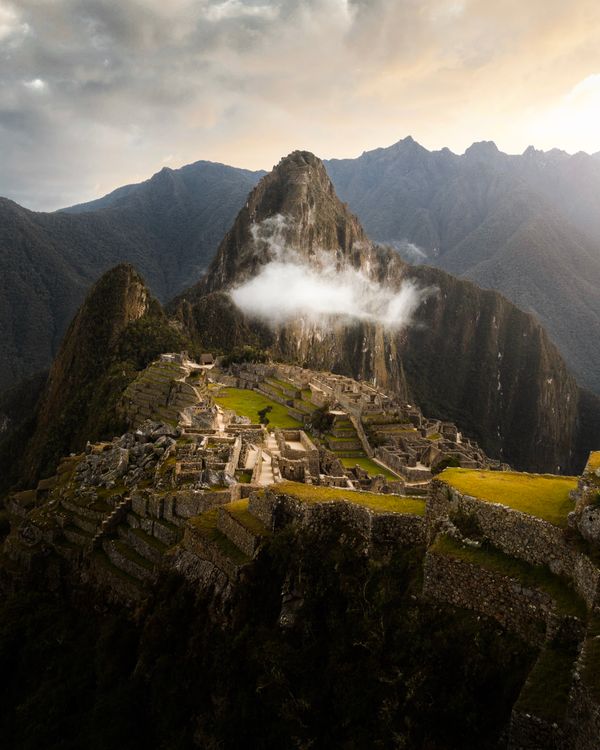
The final morning starts with transport to Hidroelectrica, followed by a flat two to three hour walk along the train tracks to Aguas Calientes. This stretch runs beside the Urubamba with Machu Picchu mountain rising overhead, and it builds anticipation without punishing your legs the way the second day does.
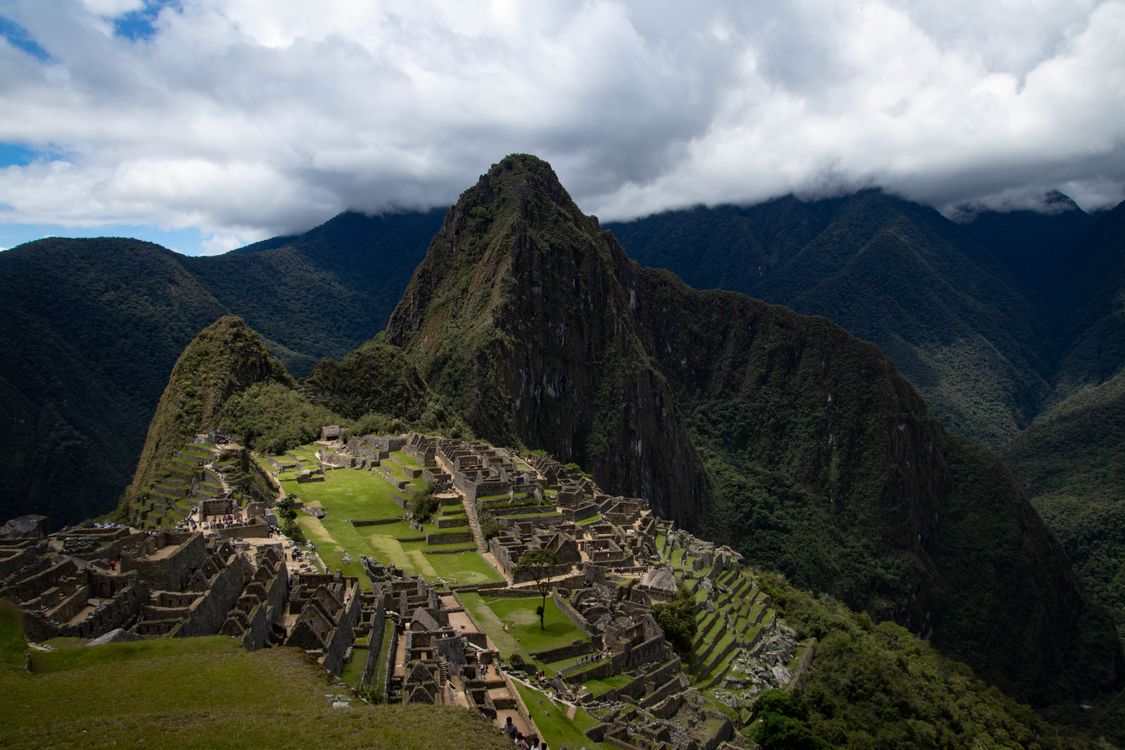
After a night in Aguas Calientes, or an early bus the same day depending on the operator's timing, you ride up to the citadel for the guided tour. Machu Picchu sits at 2,430 metres in a tropical mountain forest, a figure confirmed by UNESCO, which lists the sanctuary as a World Heritage Site. Your guide walks you through the main terraces, temples and plazas before you return by train and van to Cusco the same evening.
Who the Inca Jungle Trek 3 Days Route Suits
The 3-day trek is the right call for a specific kind of traveler:
- Short on time. If you have a fixed number of days in Peru, the condensed route frees up an extra day for Cusco, the Sacred Valley or a side trip.
- Active and up for a quick pace. The days are longer and the transitions faster than on the four-day trek, so you need stamina more than technical skill.
- Chasing variety over distance. You still get biking, optional rafting, hiking and hot springs, just with less downtime between them.
If you would rather spread the same activities across more days with a gentler rhythm, the four-day option is the better match. Travelers weighing the Inca Jungle route against other alternatives often look at the Salkantay trek as well, which runs higher and colder through glacial terrain.
Booking and Preparation Tips
A few practical points keep the fast pace from catching you out:
- Reserve Machu Picchu entry early. Daily visitor numbers are capped and tickets are tied to timed circuits, so peak-season dates from June to October sell out well ahead. Book your trek several weeks out to lock in an entry slot.
- Pack for three climates. You start in cold highland, descend into humid jungle, and finish at cloud-forest altitude. Layers, a light rain shell, insect repellent and swimwear for the hot springs all earn their place.
- Break in your footwear. The second-day hike is the hardest section. Worn-in trail shoes matter more than any other piece of gear.
- Budget for the extras. Rafting, the hot springs entrance and the bus up to the citadel are sometimes add-ons rather than inclusions. Our guide to the Inca Jungle Trek price and what is included lays out where the costs land.
To book the three-day route or confirm current departure dates, reach out to Incajungletrail directly and let them know your travel window. Securing your Machu Picchu entry ticket first is the single step that most often decides whether your preferred dates are still open, so start there and build the rest of your schedule around it.
Frequently asked questions
How long is the Inca Jungle Trek 3 days version?
It runs three days and two nights from Cusco to Machu Picchu, with overnight stops in Santa Maria and Santa Teresa before the final morning at the citadel.
Is the 3-day Inca Jungle Trek harder than the 4-day one?
The days are longer and the pace is quicker, but each activity is shorter. It is more about stamina across a packed schedule than technical difficulty.
Do I need to be very fit for the 3-day trek?
A reasonable level of fitness helps, especially for the hiking sections. The biking is mostly downhill and the rafting is optional, so the route is accessible to most active travelers.
Can I visit the Cocalmayo hot springs on the 3-day trek?
Yes. The hot springs near Santa Teresa are a standard stop on the second afternoon and a popular way to recover after the hike.
When should I book the 3-day Inca Jungle Trek?
Book several weeks ahead, and earlier for the June to October high season, because Machu Picchu entry tickets are capped each day and sell out on peak dates.
One Response