




Key takeaways
- A 3-day Machu Picchu tour from Cusco gives you a full morning at the citadel without the physical demands of a long trek.
- Day one moves you from Cusco toward Aguas Calientes, day two is your Machu Picchu morning, and day three returns you to Cusco.
- Machu Picchu sits at 2,430 meters while Cusco is around 3,400 meters, so the descent actually helps with altitude on this route.
- Entry is timed and capped, so book your citadel ticket and train before you lock in dates.
- Expect to compare operators on included meals, lodging class, and whether a licensed guide leads the site visit.
Three days is enough to reach Machu Picchu from Cusco, spend a full guided morning at the citadel, and get back without rushing. A 3-day Machu Picchu tour from Cusco trades the long trail for comfortable transport, giving you the single most important thing most travelers want: unhurried time at the ruins themselves.
If you are comparing providers right now, this itinerary shows you exactly how those three days break down, what should be included, and where tours differ on price. Use it to judge any quote you receive against a realistic plan.
What a 3-Day Machu Picchu Tour from Cusco Includes
A standard 3-day Machu Picchu tour from Cusco is built around one overnight stay in Aguas Calientes, the town directly below the citadel. That overnight is what makes the trip work. It puts you close enough to enter Machu Picchu early on day two, before the largest crowds and the midday heat.
A typical package covers:
- Road transport from Cusco toward Ollantaytambo
- A train leg into Aguas Calientes
- One or two nights of lodging, depending on how the operator counts the days
- A bus up to the citadel entrance
- A timed Machu Picchu entry ticket
- A licensed guide for the site visit
- Most meals, though the exact count varies
Adventure versions of the three-day format swap part of day one for mountain biking on the downhill road toward Santa Maria, or add a short rafting section on the Urubamba, so those activities fit into a compressed schedule without crowding out the citadel visit.
Balancing Sightseeing and Travel Time
The honest tension in any short Machu Picchu trip is travel time against time on the ground. Cusco and the citadel are not close in practical terms, even though the straight-line distance is modest. The journey crosses the Sacred Valley by road and then follows the Urubamba river by rail, and that combination eats several hours in each direction.
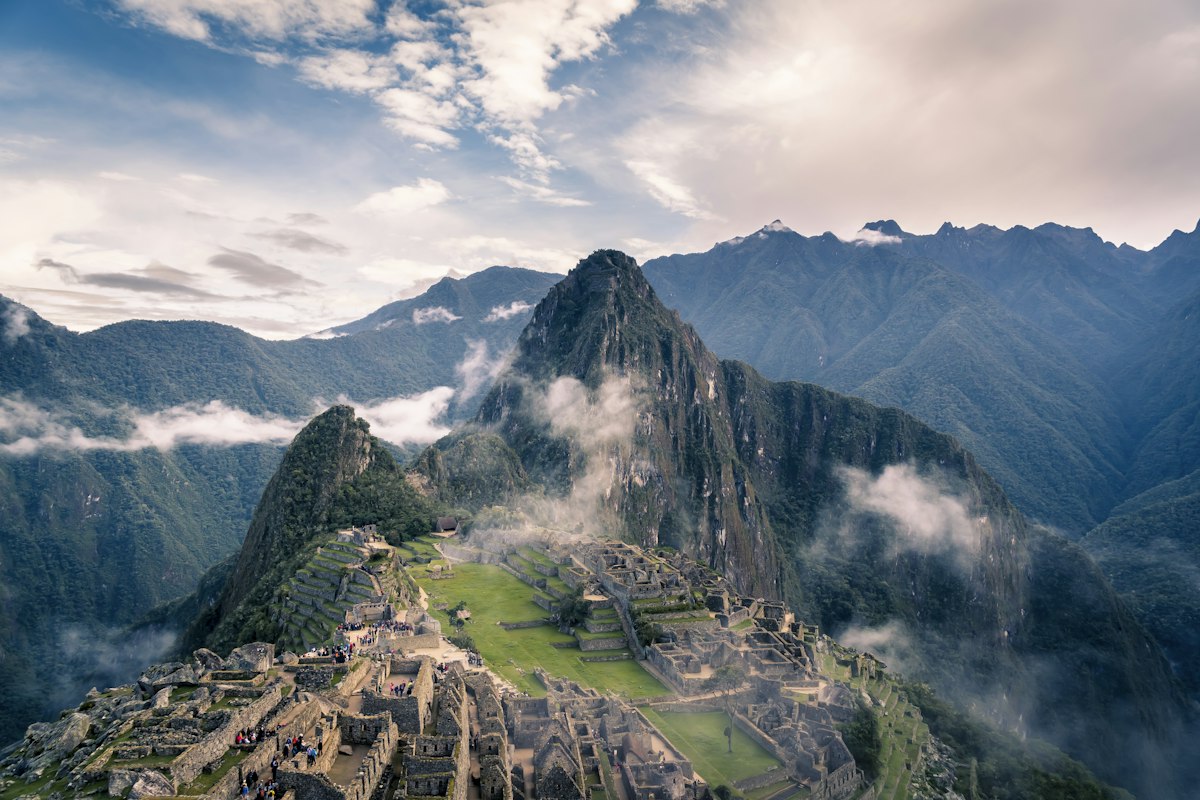
The three-day structure solves this by front-loading the travel. You spend day one getting into position, which means day two can be almost entirely about the site. Altitude works in your favor here too. Machu Picchu sits at 2,430 meters above sea level, well below Cusco at roughly 3,400 meters, so the route descends overall and the citadel morning tends to feel easier than the city you left (UNESCO lists the Historic Sanctuary of Machu Picchu at that elevation and describes its mixed status).
A good operator protects your citadel morning rather than padding the itinerary with extra stops. When you compare quotes, look closely at how day two is scheduled. The guided visit should be the centerpiece, not a brief walk squeezed between transfers.
Sample Day-by-Day Itinerary
Here is a realistic version of how a 3-day Machu Picchu tour from Cusco unfolds. Exact pickup times and stops shift by operator, but the shape stays consistent.
Day 1: Cusco to Aguas Calientes
- Early pickup in Cusco and road transfer across the Sacred Valley toward Ollantaytambo
- Optional stops at a Sacred Valley site or viewpoint on the way
- Board the train at Ollantaytambo for the ride along the Urubamba
- Arrive in Aguas Calientes in the afternoon, check into your hotel
- Evening briefing with your guide about the next morning's entry time
Day 2: Machu Picchu
- Early breakfast and bus up the switchback road to the citadel gate
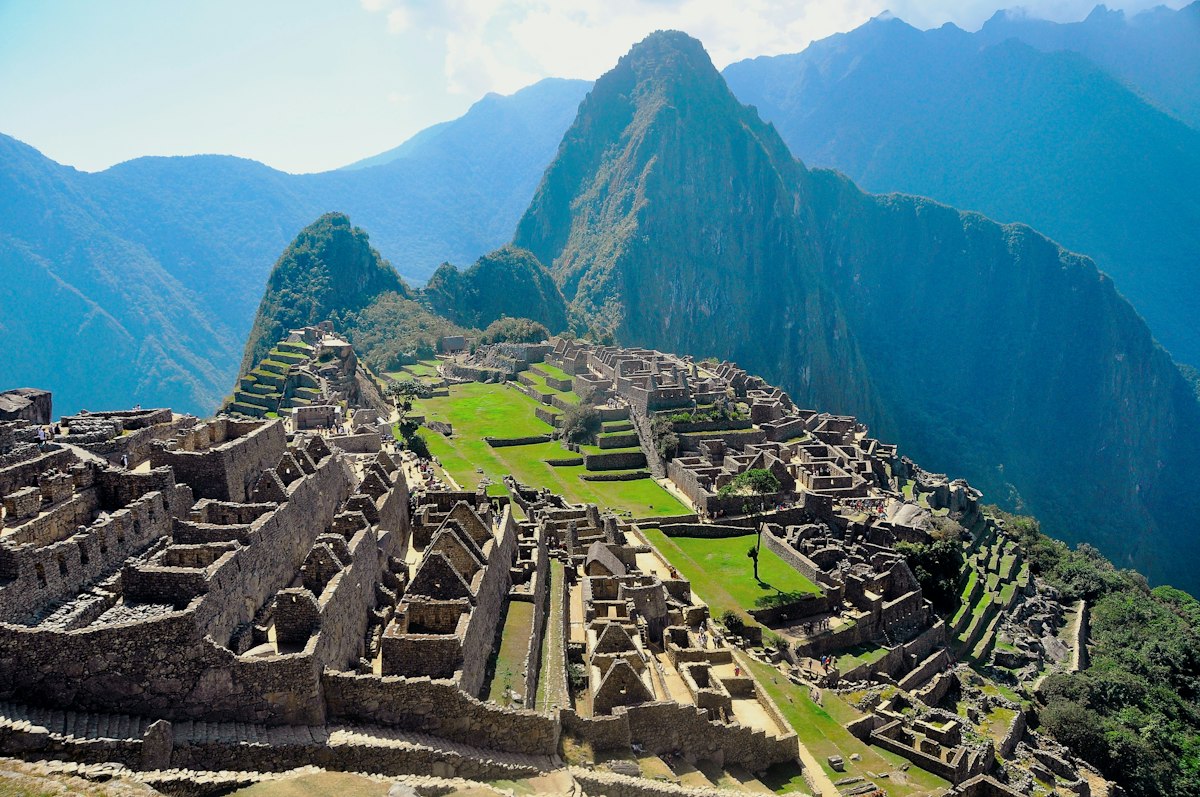
- Timed entry and a guided walking tour of roughly two hours through the main sectors
- Free time on your own circuit, following the route printed on your ticket
- Return by bus to Aguas Calientes for lunch
- Afternoon train back toward Ollantaytambo and road transfer to Cusco, or a second overnight depending on the package
Day 3: Return and Buffer
- On slower-paced tours, day three is the return leg: morning train, road transfer, and arrival in Cusco by afternoon
- On faster tours, day three is a buffer for a Sacred Valley stop or a relaxed morning before flying out
If you want to see how a tighter schedule compresses these same elements, compare this plan with our Inca Jungle Trek 3 Days: Fast-Paced Itinerary guide.
Accommodation and Meal Options
Lodging on a three-day tour falls into two buckets: one night in Aguas Calientes, and on some packages a night in the Sacred Valley or back in Cusco. Aguas Calientes runs the full range, from simple guesthouses to mid-range hotels with hot showers and reliable wifi. Because the town is compact and built for Machu Picchu visitors, even budget rooms put you within a short walk of the bus stop.
Meals usually break down like this:
- Breakfast at your hotel before the citadel visit
- Lunch in Aguas Calientes after you come down
- Dinner on day one, sometimes included and sometimes left open so you can pick a restaurant
When you read a quote, check the exact meal count. A tour that lists "all meals" and one that lists "breakfast only" can look similar on headline price but differ sharply in real cost once you add restaurant spending. The same goes for lodging class. A mid-range hotel versus a basic hostel is one of the biggest line items separating two otherwise identical itineraries.
Incajungletrail builds its three-day packages around comfortable Aguas Calientes lodging and a licensed site guide, which keeps the citadel morning smooth even in peak season.
Pricing and Booking Guidance
Price on a 3-day Machu Picchu tour from Cusco is driven by four things: train class, lodging level, how many meals are included, and whether a private or group guide leads the visit. Train tickets and the citadel entry are fixed costs every operator pays, so unusually cheap quotes almost always cut lodging, meals, or guide quality to get there.
Book the controllable pieces early. Machu Picchu entry is timed and the number of daily visitors is capped, so popular slots and train seats disappear fastest from June through August and around major holidays. Reserving several weeks ahead protects both your preferred entry window and your lodging choice. You can confirm current entry rules and ticket categories on the Peruvian government's official platform at tuboleto.cultura.pe.
When you line up quotes, hold them against the same checklist: identical train class, identical lodging tier, the same meal count, and a licensed guide for the site. That is the only fair way to compare, because it strips out the headline-price tricks and shows you what you are really paying for.
If a relaxed three-day trip with a full citadel morning matches what you want, pick your travel dates first, then book your Machu Picchu entry and train seats before they fill. Lock those in and the rest of the itinerary falls into place around them.
Frequently asked questions
Is a 3-day Machu Picchu tour from Cusco enough time?
Yes. Three days gives you relaxed travel to Aguas Calientes, a full guided morning at Machu Picchu, and an unhurried return. It suits travelers who want the site without a multi-day hike.
How do I get from Cusco to Machu Picchu on a 3-day tour?
Most tours combine road transport to Ollantaytambo with a train to Aguas Calientes, then a short bus up to the citadel gate. Some adventure versions add biking or rafting on day one.
Do I need to book Machu Picchu tickets in advance?
Yes. Entry is timed and daily numbers are capped, so citadel tickets and train seats sell out in peak months. Book several weeks ahead for the best availability.
Will altitude be a problem on this tour?
Machu Picchu is lower than Cusco, so the route descends overall. Spend a day acclimatizing in Cusco first, stay hydrated, and the second day at the citadel usually feels comfortable.