




Key takeaways
- Machu Picchu tours fall into three broad types: multi-day treks, train day tours, and short two-day trips, each suited to a different budget and schedule.
- Treks like the Inca Jungle Trail add hiking, biking and rafting to the journey, while train tours prioritize speed and comfort over the approach.
- Your entry ticket is tied to a specific circuit and time slot, so confirm exactly what your tour includes before paying.
- A licensed guide is required inside the citadel, which is one reason a reputable local operator saves you logistical headaches.
- Match the tour to the time you have first, then your budget, rather than booking on price alone.
The right Machu Picchu tour depends on two things: how many days you have and how you want to arrive. Decide whether you want a fast, comfortable train visit or a multi-day adventure on foot, and most of the other choices fall into place. This guide walks through the main types of Machu Picchu tours, how they compare, and the questions worth asking before you hand over a deposit.
Machu Picchu is a UNESCO World Heritage Site and one of the most visited places in South America, which means access is tightly managed. Tickets are tied to timed entry slots and set walking circuits, and a licensed guide is required inside the citadel. Understanding that structure makes it much easier to pick a tour that actually fits your trip.
Types of Machu Picchu tours available
Almost every Machu Picchu tour falls into one of three categories.
Multi-day treks. These turn the journey to Machu Picchu into the main event. You spend several days crossing the Andes on foot before reaching the citadel. The best known classic route is the traditional Inca Trail, which needs a permit booked months ahead. Alternative routes have grown popular because they are easier to secure and add variety. The Inca Jungle Trek combines hiking, biking and rafting, while the Salkantay Trek climbs over a high mountain pass for dramatic scenery.
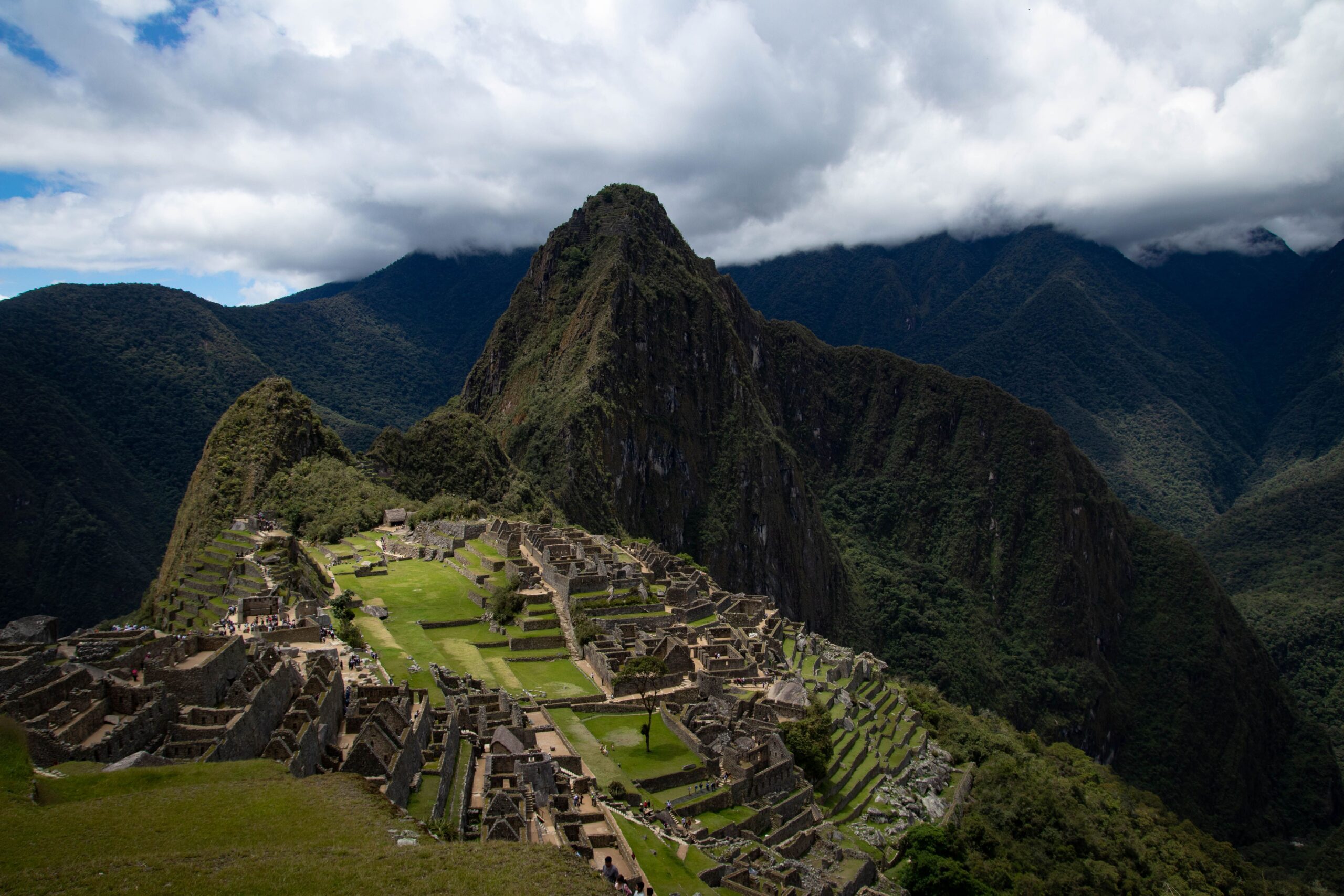
Train tours. These skip the long hike. You travel from the Cusco region by rail to Aguas Calientes, the town at the foot of the mountain, then take a short bus up to the entrance. A one-day train tour from Cusco is the fastest way to see the site, though it makes for a long day.
Short multi-day trips. Sitting between the two, a two-day tour from Cusco spreads the train journey across two days with an overnight in Aguas Calientes. You get an unhurried morning at the citadel without committing to a full trek.
Trek tours vs train tours vs day trips
The honest way to compare these is by what you are trading.
A trek trades time and effort for experience. Over three to five days you pass through cloud forest, remote villages and mountain passes, often ending at Machu Picchu on the final morning. The reward is the approach itself, not only the destination. Treks suit travelers who are reasonably fit, have at least four or five free days, and want the adventure to be the point.
A train tour trades the approach for speed and comfort. You see the same citadel, but the journey is a scenic rail ride rather than a hike. This works well for travelers short on time, families with young children, or anyone who would rather spend their energy exploring the ruins than reaching them.
A short two-day trip is the middle ground. It removes the rush of a single day while avoiding the physical demand of a full trek. For many first-time visitors this is the sweet spot.
One point that surprises people: Machu Picchu sits lower than Cusco. Cusco is at roughly 3,400 meters, while the citadel is around 2,400 meters. A trek largely descends toward the site rather than climbing to it, so the hardest altitude adjustment usually happens in Cusco before you set out. Spending a day or two acclimatizing in the city first is sensible whichever tour you choose.
Matching a tour to your budget and time
Start with time, not money. The number of free days you have narrows the field faster than anything else.
- One day free: a train day tour is realistically your only option.
- Two days: a short overnight trip, or a fast-paced trek if you are fit and the route allows it.
- Four to five days: a full trek such as a three-day Inca Jungle itinerary or a four-day route becomes possible.
Once time is settled, budget separates the options within that window. Trains carry a premium because rail is the only mechanized way in, and prices rise for tourist-class carriages with panoramic windows. Treks can cost less per day but add up over a longer trip once you factor in guides, meals, transport and accommodation. Entry to the citadel itself is a fixed government ticket on top of your tour, and the price varies by circuit and whether you add a mountain hike.
A clear, itemized quote matters more than a headline price. A cheap tour that excludes the citadel ticket, the bus up from Aguas Calientes, or meals is not actually cheap. Our price breakdown of the Inca Jungle Trek shows what a transparent quote should contain so you can compare operators fairly.
Questions to ask before you book
A few targeted questions will tell you more than any sales page. Ask these before you pay.
- Is citadel entry included, and which circuit? Tickets are assigned to specific walking circuits and timed slots. Confirm the exact circuit and entry time, not just "entry included."
- Is the guide licensed, and what is the group size? A licensed guide is required inside the site, and smaller groups mean more attention and flexibility.
- What exactly is covered? Clarify whether trains, the Aguas Calientes bus, meals, entry tickets and accommodation are all in the price.
- What happens if weather or rail strikes disrupt the plan? Peru's rail service occasionally pauses, so ask how the operator handles changes.
- For treks, what is included on the trail? Confirm equipment, support staff, and whether rafting or biking gear is provided on adventure routes.
If you are still weighing whether the shortest option is enough, be honest about how much time you want at the site itself before you commit.
Why guided local operators matter
Machu Picchu is not a turn-up-and-wander site. Entry is managed through timed tickets and fixed circuits, and a licensed guide must accompany visitors inside. You can buy a basic ticket yourself through the Peruvian Ministry of Culture's official ticket portal, but the logistics around that ticket are where most independent travelers stumble.
A good local operator coordinates the moving parts: securing the right circuit and entry time, arranging trains and the shuttle bus, providing an accredited guide, and holding permits for trekking routes that sell out well in advance. On adventure routes, local knowledge also covers safety on the biking and rafting sections and the condition of trails after rain.
Local operators carry one more advantage that is harder to quantify. Guides who live in the region know the villages you pass, the history behind the stonework, and the quiet moments to time your arrival for the best light and fewer crowds. That context turns a visit into an understanding of the place. This is where Incajungletrail focuses, running guided Inca Jungle Trail treks from Cusco through Santa Maria and Santa Teresa with hiking, biking and rafting built into the route.
If you have narrowed your choice to a trek but are torn between routes, read our comparison of the Inca Jungle Trek and the Salkantay Trek, then request an itemized quote for the dates you have in mind. Settle your travel days first, confirm what the quote includes, and book the circuit and guide early so your preferred entry time is still available.
Frequently asked questions
How many days do I need for a Machu Picchu tour?
You can visit in a single long day by train from Cusco, but two days is more relaxed, and multi-day treks run three to five days depending on the route.
Do I need a guide to enter Machu Picchu?
Yes. Current rules require visitors to tour the citadel with a licensed guide, and your ticket is assigned to a set circuit and entry time.
Is a trek harder than it sounds because of altitude?
Machu Picchu itself sits lower than Cusco, so most of a trek descends toward the site. Spending a couple of days acclimatizing in Cusco first helps.
What is the difference between a train tour and a trek?
A train tour takes you to Aguas Calientes quickly and comfortably, while a trek turns the journey into the experience with days of hiking through the Andes.
Can I book Machu Picchu entry on my own?
You can buy tickets through the official culture ministry portal, but a local operator handles circuit choice, timing, transport and guide requirements for you.