




Key takeaways
- A Machu Picchu adventure trek combines mountain biking, whitewater rafting and jungle hiking across the route from Cusco to the citadel.
- The biking leg descends from the high Abra Malaga pass toward Santa Maria, dropping thousands of metres in a single morning.
- Rafting on the Urubamba ranges from gentle Class II-III water in the dry season to much bigger rapids when the rivers run high.
- The trek rewards reasonably fit travellers who want activity and scenery, not just a walk to a famous ruin.
- Good operators supply bikes, helmets, rafting gear and certified guides, so you bring fitness and a sense of adventure rather than equipment.
A Machu Picchu adventure trek gets you to the citadel by mountain bike, raft and boot instead of a single long walk. If you are comparing operators and want more than a march to a famous ruin, this is the route that packs three sports into one trip from Cusco down into the cloud forest and back up to the ancient city.
The appeal is simple. You spend a morning descending an Andean pass on two wheels, an afternoon reading whitewater, and a day or two hiking jungle trails toward Aguas Calientes. By the time you reach Machu Picchu, you have earned the view through effort and variety rather than endurance alone. Incajungletrail runs this exact route from Cusco through Santa Maria and Santa Teresa, and the sections below explain what each part of the adventure trek to Machu Picchu actually involves.
What defines an adventure trek to Machu Picchu
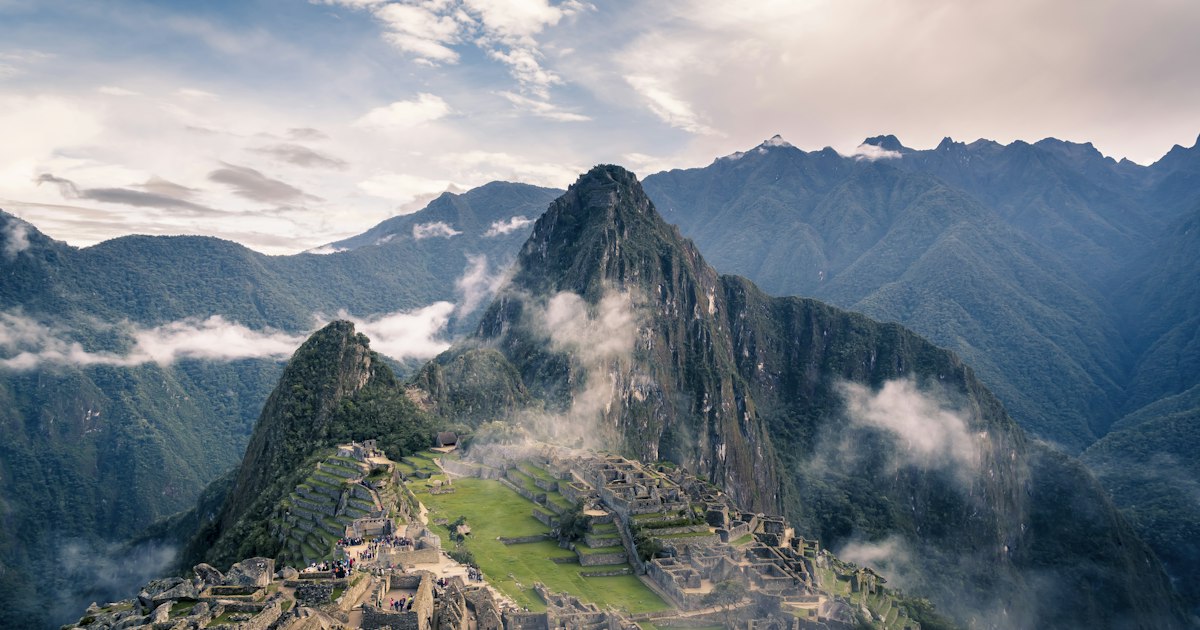
A Machu Picchu adventure trek is a multi-day, multi-sport journey rather than a straight hike. The classic Inca Trail is a single discipline: you walk a paved Inca road for four days at high altitude. An adventure route trades some of that elevation for movement and variety, threading together biking, rafting and hiking across changing terrain.
That shift matters for two reasons. First, the route drops off the high Andes early and spends more time in warmer, lower cloud forest, which many travellers find easier on the lungs than the altitude-heavy classic trail. Second, the mix keeps each day fresh. You are rarely doing the same thing for more than a stretch at a time, so the trip reads as a series of distinct experiences that happen to end at one of the world's most famous sites.
If you want a plain breakdown of how the three disciplines fit together across the itinerary, the companion guide on hiking, biking and rafting explained walks through each segment in order.
The multi-sport activities included
Three activities define the trip, and they usually land in this sequence.
Mountain biking down from the Andes
The trek opens on two wheels. You start high on an Andean pass and descend by road toward Santa Maria, losing serious elevation over a single morning. The high point of this descent sits well above 4,000 metres: the Abra Malaga pass is documented at 4,343 metres (14,248 feet) above sea level, and from there the road unwinds downhill for hours. It is mostly gravity-assisted, on a sealed surface, with a support vehicle shadowing the group, so confident beginners manage it fine.
Whitewater rafting on the river
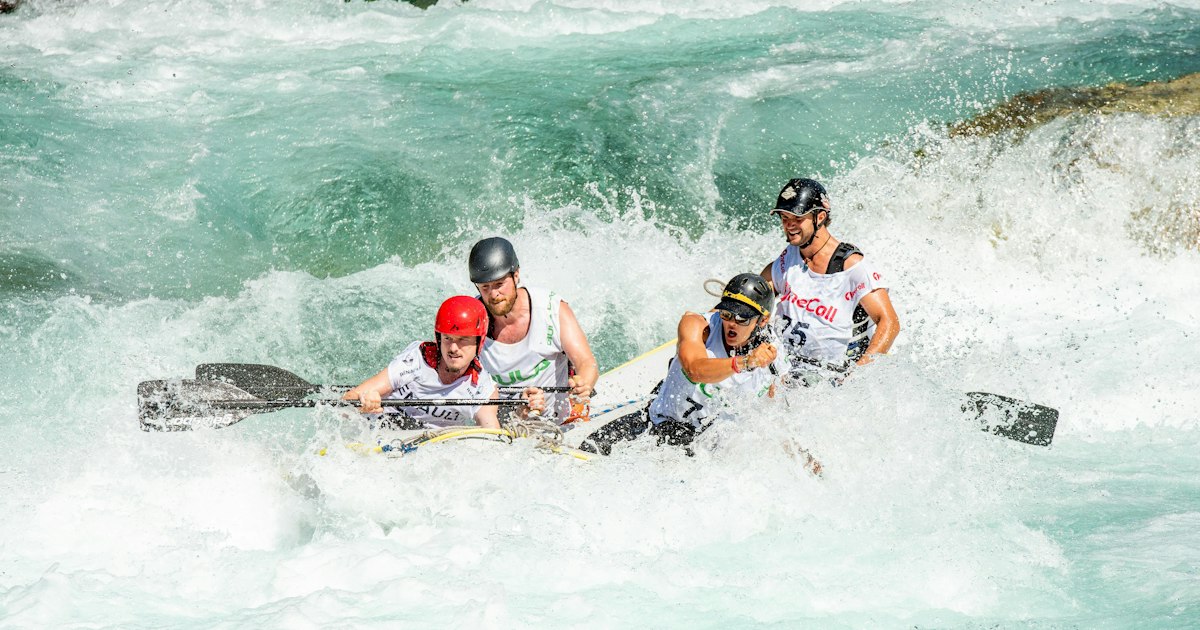
Next comes the water. Rafting sections on the Urubamba are chosen to match the group and the season. In the dry months the standard runs sit at beginner-friendly grades with plenty of splash and no real risk for a first-timer. When the rivers run high in the wet season, the same stretches turn noticeably bigger, so operators adjust which section they use. Either way you get a certified guide steering the raft and a safety briefing before you launch.
Jungle hiking to Aguas Calientes
The final discipline is the one every Machu Picchu route shares: walking. Over the back half of the trip you hike through cloud forest, past coffee plantations and waterfalls, often with a stop at the Cocalmayo hot springs near Santa Teresa. The trail eventually delivers you to Aguas Calientes, the town at the foot of the mountain, ready for an early start up to the citadel.
For a day-level view of how biking, rafting and hiking stack across a full itinerary, the four-day day-by-day plan lays out each stage and where the activities fall.
Adrenaline highlights along the route
Certain moments stand out even among a packed schedule.
- The long bike descent from the pass, where you drop through several climate zones in a few hours and watch the landscape shift from bare high-country to green jungle.
- The first real rapid on the raft, when the guide calls the paddle command and the whole boat works together through the whitewater.
- The jungle trail sections that hug the river gorge, with waterfalls off to the side and the railway line to Aguas Calientes appearing below.
- The soak at Cocalmayo after a hot, sweaty hiking day, which doubles as a reward and a recovery.
- The dawn arrival at Machu Picchu itself, where the citadel emerges from the cloud forest and the point of the whole trip clicks into place.
The variety is what sets the adventure trek to Machu Picchu apart. Rather than one sustained effort, you collect a string of sharp, memorable highs across the days.
Safety, gear and guide support
A reputable operator carries the equipment load so you do not have to. On a well-run Machu Picchu adventure trek you can expect:
- Mountain bikes, helmets and basic protective gear for the descent, plus a support vehicle on the road.
- Rafts, helmets, life jackets, wetsuits where needed, and a certified river guide for every boat.
- A lead trekking guide who knows the route, the weather patterns and the entry logistics at the citadel.
- Transfers, accommodation in Santa Maria and Santa Teresa or Aguas Calientes, and the permits required to enter Machu Picchu.
Your job is to arrive with reasonable fitness, broken-in hiking shoes, sun protection and a daypack. Because the route spans high mountains and humid jungle in a few days, pack layers you can shed quickly. Incajungletrail supplies the technical gear and the guides, which is the practical difference between a trip you enjoy and one you spend worrying about equipment.
Entry to Machu Picchu itself is tightly managed, with timed tickets, set walking circuits and a capped number of visitors per day. A good operator books the right ticket and start time for your group, so confirm those details are handled before you pay.
Who this trek is perfect for
This route suits travellers who would rather do something than simply see something. You should be comfortable hiking several hours a day on uneven ground and happy to try biking and rafting even if they are new to you. Prior experience in either sport is a bonus, not a requirement.
It is a strong fit for:
- Active travellers in their twenties to fifties who want variety over a single long walk.
- Groups and solo adventurers looking for a social, shared-effort trip.
- Anyone who finds the altitude of the classic Inca Trail off-putting and prefers a route that drops into warmer, lower terrain.
- First-timers to Peru who want one itinerary that covers landscape, culture and adrenaline.
It is a weaker fit for travellers who want a slow, contemplative walk with no adrenaline, or who have medical limits on biking and rafting. If that sounds like you, a gentler itinerary may serve you better.
Ready to choose a route? Compare a three-day and four-day version against your own fitness and schedule, confirm the operator books your Machu Picchu entry ticket and provides certified guides, then book the itinerary that matches how much adventure you actually want. The right adventure trek is the one you finish grinning, not gritting your teeth.
Frequently asked questions
What activities are included in a Machu Picchu adventure trek?
The standard mix is mountain biking down from the Andes, whitewater rafting on the Urubamba, and multi-day hiking through cloud forest to Aguas Calientes before visiting the citadel.
Do I need to be very fit for an adventure trek to Machu Picchu?
You need reasonable fitness and the ability to hike several hours a day on uneven ground, but the route is friendlier than the altitude-heavy classic Inca Trail because much of the effort is at lower elevation.
Is the rafting safe for beginners?
In the dry season the standard sections run at beginner-friendly grades with certified guides and full safety gear, so no prior rafting experience is required. Water levels rise in the rainy months.
How many days does an adventure trek to Machu Picchu take?
Most itineraries run three or four days, with the longer version giving more time for the jungle hike and hot springs along the way.
Can I do the biking and rafting if I have never tried them before?
Yes. The biking is mostly downhill on a sealed road with support vehicles, and the rafting sections are chosen to match mixed-ability groups, so first-timers are common.
2 Responses