


Key takeaways
- The classic Inca Trail needs a government permit that is capped and usually sells out five to six months ahead; the Jungle Trek needs no trek permit at all.
- The Jungle Trek adds downhill mountain biking, whitewater rafting and optional zip-lining, while the classic Inca Trail is pure high-altitude hiking on original stone paths.
- The classic trail closes every February for maintenance; the Jungle Trek runs year round because it sits at lower, warmer elevations.
- Book the classic Inca Trail as early as possible for dry-season dates; the Jungle Trek can often be arranged within days of your arrival in Cusco.
If you want to walk the original stone path and are willing to book months ahead for a limited permit, choose the classic Inca Trail. If you want freedom to book late and a route that mixes hiking with biking and rafting, choose the Inca Jungle Trek. Both end at Machu Picchu, so the real decision is about permits, pace and the kind of days you want in between. This guide breaks down the inca trail vs jungle trek question point by point so you can commit with confidence.
History and permits for the classic Inca Trail
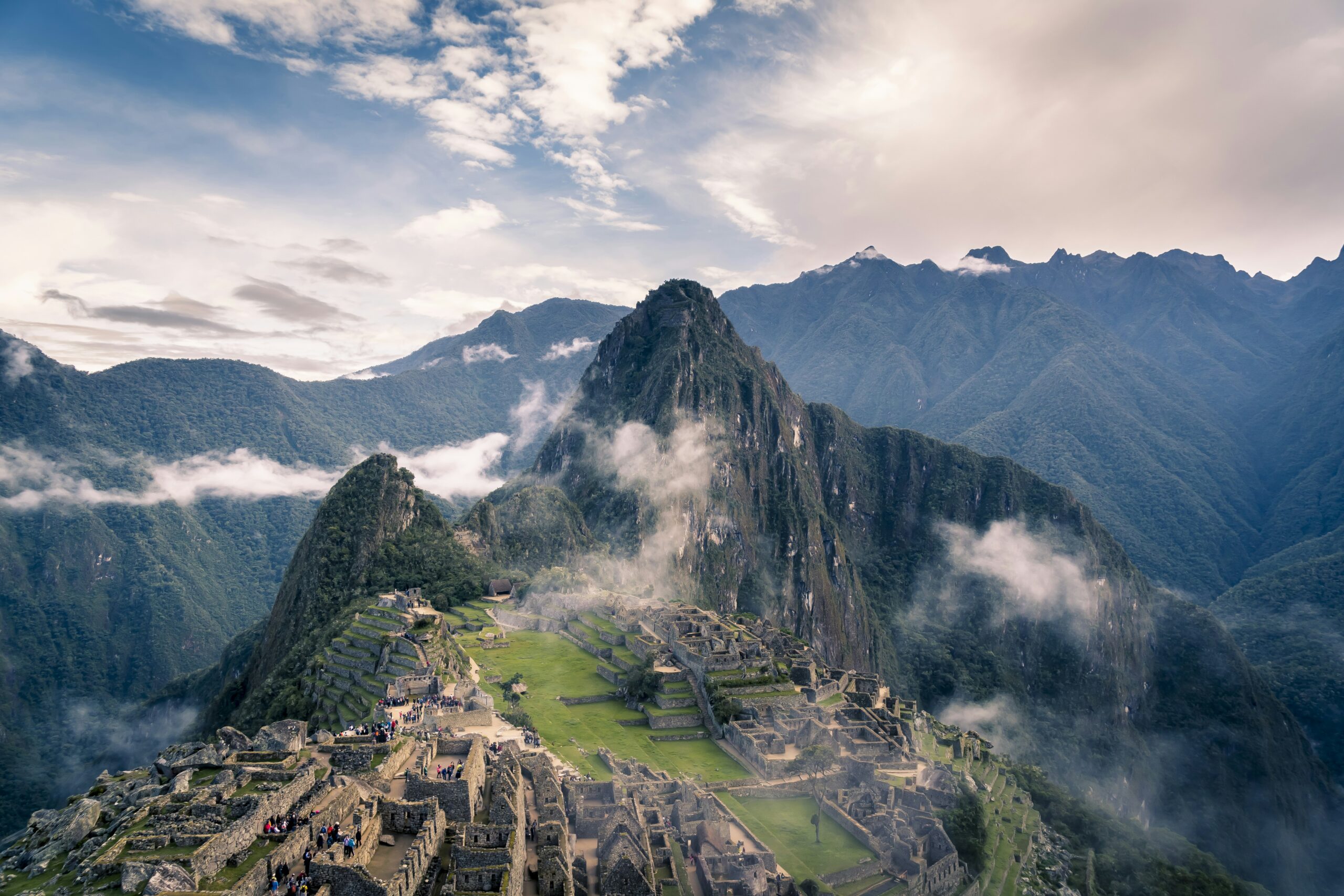
The classic Inca Trail follows a network of paved routes built by the Inca state, winding roughly 42 to 43 kilometers over four days through cloud forest and past terraced ruins before reaching the Sun Gate above Machu Picchu. Its signature challenge is Dead Woman's Pass, or Warmiwañusca, which tops out at 4,215 meters on the second morning. The route is prized for its continuous stretches of original Inca stonework and the way it threads past high-altitude ruins.
The catch is access. The Peruvian government caps how many people start the trail each day, counting trekkers alongside their guides and porters, and every walker must go with a licensed operator carrying a named permit. Those permits are non-transferable and sell out early. For popular dry-season dates between May and August, availability can disappear five to six months in advance, so the classic route rewards planners, not improvisers.
Two practical consequences follow. First, the trail closes for the whole of February each year so crews can repair erosion and clear growth, which removes a chunk of the calendar entirely. Second, because your start date is locked to a permit, the rest of your Peru itinerary has to bend around that fixed point rather than the other way round.
Freedom and activities of the Jungle Trek
The Inca Jungle Trek takes a different philosophy. It skips the restricted government path, which means no trek permit and no fixed calendar slot to chase. You still need a timed Machu Picchu entry ticket for the final day, but your operator handles that, and the trek itself can usually be arranged within a few days of landing in Cusco.
The bigger draw is variety. Where the classic route is pure hiking, the Jungle Trek is multi-sport. Most itineraries open with a long downhill mountain bike descent from the high pass near Abra Málaga down toward the warmer Santa María valley, dropping thousands of meters of elevation on the way. From there the days mix forest hiking along an older Inca section, whitewater rafting on river rapids, and optional zip-lining across the valley, before the walk into Santa Teresa and on toward Aguas Calientes.
That blend is exactly what Incajungletrail builds its guided multi-day trips around, moving groups from Cusco through Santa María and Santa Teresa to Machu Picchu with the biking, hiking and rafting stitched together. If you want the day-by-day breakdown of how those activities fit, our guide to the Inca Jungle Trek: hiking, biking and rafting explained walks through each stage.
Scenery, difficulty and crowd differences
The two routes show you different sides of the region. The classic Inca Trail stays high, so you get alpine passes, exposed ridgelines and a steady procession of stone ruins that build toward the Sun Gate arrival. The Jungle Trek starts high but spends most of its distance dropping into subtropical valleys, so you trade thin-air vistas for coffee farms, river canyons and dense green forest.
Difficulty splits along the same line. The classic trail is harder as a hike because of sustained climbing at altitude; the second day to Dead Woman's Pass is the physical crux, with a long oxygen-starved ascent. The Jungle Trek is gentler on the lungs since the biking does the descending for you and the hiking happens lower down, though the full days of cycling, walking and rafting still demand reasonable fitness.
Crowds feel different too. The classic trail funnels a fixed number of permit holders onto one path, so you share campsites and the Sun Gate with the same faces for four days. The Jungle Trek spreads across roads, rivers and villages, which can feel less regimented. For a closer look at how this route stacks up against another popular alternative, see our comparison of the Inca Jungle Trek vs Salkantay.
Both routes converge on the same finish, and Machu Picchu itself is managed with daily visitor caps and timed circuits, so the arrival experience is controlled regardless of how you got there.
Cost and booking timelines compared
On price, the two routes land in a similar range for a standard four-day guided trip, because both include guiding, meals, the Machu Picchu ticket and the train or transfer back to Cusco. The classic Inca Trail often sits a little higher once permit fees and porter logistics are added, while the Jungle Trek folds in equipment costs for biking and rafting instead.
The sharper difference is timing, and it matters more than the money. The classic trail is a planning commitment: you pick a permit date early, pay a deposit to hold it, and build your trip around that locked day. Miss the window for peak months and your preferred dates may simply not exist. The Jungle Trek flips this. With no trek permit to secure, you have far more flexibility, and last-minute travelers can often join a departure within days.
Season shapes both. The dry months from roughly May through September bring the clearest skies and firmest footing, which is also when the classic trail books out fastest. The wet season from November into March means more rain and mud, and February removes the classic trail entirely for its annual closure. The Jungle Trek runs year round, since its lower, warmer elevations handle the shoulder months better.
Whichever you pick, confirm your Machu Picchu entry through the official channel. Peru's culture ministry sells timed citadel tickets through its government ticket portal at tuboleto.cultura.pe, and a reputable operator will secure that ticket as part of your package.
Inca trail vs jungle trek: how to decide which fits you
Start with your calendar. If your travel dates are fixed months out and you are set on walking the original Inca road to the Sun Gate, the classic Inca Trail is worth the early booking and the altitude. If your plans are loose, or you decided on Machu Picchu after already reaching Cusco, the Jungle Trek removes the permit gamble.
Then weigh the experience you want. Choose the classic trail for a continuous high-altitude hike steeped in archaeology, where the reward is the ruins and the ridge walks. Choose the Jungle Trek if you would rather spend your days switching between a bike, a raft and a forest path, with the altitude working mostly in your favor.
Fitness is the tiebreaker for many people. Strong hikers who want a lung-testing climb lean classic. Travelers who want adventure without a brutal ascent, or who are short on acclimatization time, lean jungle.
If the freedom and the mix of activities sound right, the next step is to look at a real itinerary. Compare a few four-day Jungle Trek departures, check what is included, and book your dates with Incajungletrail so your biking, rafting and Machu Picchu ticket are handled as one package rather than pieced together on the fly.
Frequently asked questions
Which route is harder, the Inca Trail or the Jungle Trek?
The classic Inca Trail is harder as a pure hike because of sustained high-altitude climbing over Dead Woman's Pass at 4,215 meters. The Jungle Trek is less punishing on the lungs since most of its distance is downhill biking at lower elevation, though the multi-sport days are still physically demanding.
Do I need a permit for the Inca Jungle Trek?
No. The Inca Jungle Trek does not use the restricted government trail, so it needs no trek permit. You still need a timed Machu Picchu entry ticket for the final day, which your operator arranges.
Can I book either route last minute?
The Jungle Trek can usually be booked within a few days of arriving in Cusco. The classic Inca Trail cannot, because daily permits are limited and dry-season dates typically sell out months in advance.
Does the Inca Jungle Trek still reach Machu Picchu?
Yes. Both routes finish at Machu Picchu. The Jungle Trek reaches Aguas Calientes on the final evening, then enters the citadel the next morning on a timed ticket, the same as trekkers arriving by other routes.
4 Responses